 Bellingham Window
 Living on the Water in Blaine: What Local Windows Face
Blaine sits about as far northwest as you can get in Washington without crossing into Canada, wedged between Semiahmoo Bay, Drayton Harbor, and the open water of the Strait of Georgia. That location is part of what makes the town beautiful, and it's also exactly why windows here wear differently than they do even a few miles inland. Homes close to the water take on salt-laden air, near-constant wind off the strait, and driving rain that comes in sideways during winter storms. Add in Whatcom County's long, damp shoulder seasons, and you've got a climate that's genuinely tough on the seals, frames, and glazing that make up a window assembly.
We work on homes throughout Bellingham and the surrounding county, and Blaine properties consistently show a different wear pattern than what we see farther inland. It's not that the windows are lower quality — it's that the environment is asking more of them, day after day, year-round.
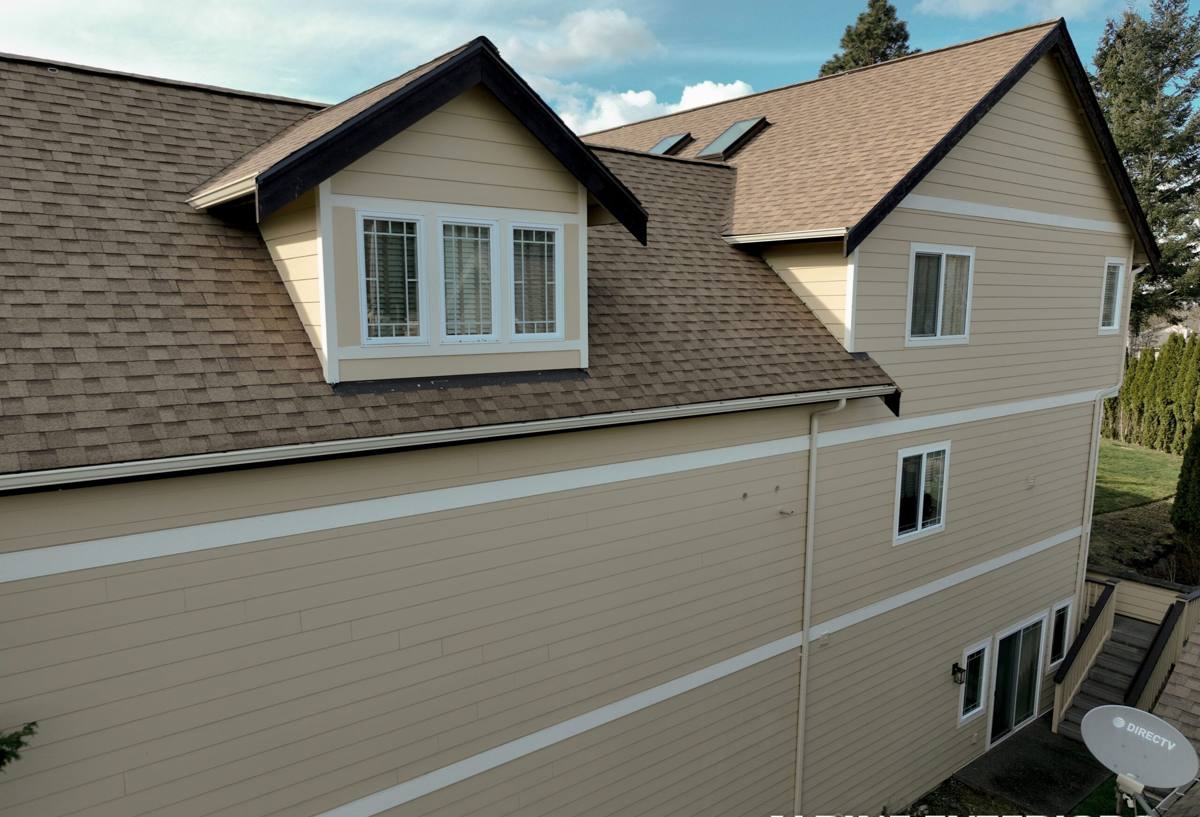
How Salt Air and Coastal Wind Wear Down Windows
Airborne salt is corrosive to metal hardware, and it settles into places you wouldn't expect — window tracks, locking mechanisms, screen frames, and especially older aluminum sashes. Over years, that corrosion shows up as stiff or sticking operation, pitted hardware, and finishes that dull or chalk faster than they would in a drier, inland location.
Wind is the other piece. Blaine's exposure to open water means gusts hit window assemblies with more force and more frequency than a sheltered lot would see. That constant pressure works on caulking and weatherstripping, and it's part of why wind-driven rain finds its way past seals that would otherwise hold up fine. Once water starts working past a seal, even in small amounts, it doesn't take long for the effects to compound — swelling wood, deteriorating insulation, and eventually staining or soft spots on interior sills and trim.
Why This Matters More at the Coast Than Inland
A window on a sheltered Bellingham street and a window facing open water in Blaine can be the identical product, installed the same year, and age at noticeably different rates. The coastal unit is simply absorbing more cumulative stress — more wind load, more salt exposure, more direct weather. That's not a reason to avoid coastal living; it's a reason to choose materials and installation details that account for it.
Moss, Moisture, and the Long Whatcom County Damp Season
Whatcom County's marine climate means long stretches of overcast, damp weather, especially from fall through spring. On the north or shaded sides of a home, that dampness rarely fully dries out between rain events. Moss and algae take hold on sills, tracks, and any horizontal wood trim around a window opening, and once established, they hold moisture directly against the surface underneath.
On wood-frame windows, this is one of the more common causes of slow rot we find during inspections — not a single catastrophic leak, but years of moss and moisture sitting against a sill or the bottom rail of a sash. On vinyl and fiberglass frames, moss is more of a cosmetic and drainage issue, but it still matters: clogged weep holes (the small drainage channels at the bottom of a window frame) can trap water that should be draining away, which undermines the whole point of the seal.
Signs Your Blaine Home Needs Window Repair or Replacement
Most window problems don't announce themselves with a dramatic leak. They show up gradually, and homeowners often adjust to them without realizing how much has changed. Here's what we'd want you to look for:
- Windows that are noticeably harder to open, close, or lock than they used to be
- Visible condensation or fogging between the panes of a double-pane window (a sign the seal has failed)
- Soft, discolored, or spongy wood on the sill, jamb, or interior trim
- Persistent moss or dark staining on the exterior sill or track that keeps returning after cleaning
- A draft you can feel near the window frame even when it's fully closed
- Peeling paint or bubbling finish concentrated around the window opening rather than the rest of the wall
- Noticeably higher heating bills without another clear explanation
- Rattling or whistling during windstorms off the water
Any one of these on its own might just need attention. Several together, especially on a coastal-facing wall, usually means it's worth having someone take a real look rather than waiting.
Repair or Replace? How We Actually Decide
Not every problem window needs to come out. A lot of what we see in Blaine is fixable: failed weatherstripping, worn hardware, glazing that needs to be re-seated, or a sill that needs localized wood repair before it gets worse. Replacement makes more sense when the frame itself has structural rot, when the seal has failed on an insulated glass unit (that fogging between panes can't be repaired — the unit has to be replaced), or when a window is old enough that the wood, weatherstripping, and hardware are all failing at once.
We'd rather tell a homeowner honestly that a window has a few more good years in it than sell a replacement that isn't needed yet. When replacement is the right call, we'll walk through the trade-offs on materials and installation details specific to a coastal lot, not just hand over a generic quote.
Choosing the Right Windows for a Marine Climate
Frame material matters more on an exposed, coastal lot than it does on a sheltered inland site. Here's a general comparison of how common options tend to perform in this specific climate — salt air, wind-driven rain, and a long damp season:
| Frame Material | Coastal / Salt Air Behavior | Moisture & Moss Resistance | Maintenance |
|---|---|---|---|
| Vinyl | Won't corrode; handles salt air well | Good — no rot risk, but weep holes need periodic clearing | Low |
| Fiberglass | Very stable in wind and temperature swings; strong salt-air resistance | Excellent — dimensionally stable, minimal moisture absorption | Low |
| Wood (unclad) | Attractive but vulnerable if finish isn't maintained | Requires diligence — prone to rot if moss/moisture sit against it | High |
| Wood, clad exterior | Exterior cladding shields the wood from salt and rain | Good on the exterior face; interior wood still needs normal care | Moderate |
| Aluminum (older/unbroken thermal barrier) | Prone to pitting and corrosion over time near the water | Poor insulation performance; condensation-prone | Moderate to high |
There's no single "correct" choice for every home — a lot depends on the home's style, budget, and how exposed the specific elevation is. But on a wind- and salt-exposed wall in Blaine, we generally steer homeowners toward vinyl, fiberglass, or clad-wood options over bare wood or older aluminum, simply because the maintenance burden of the latter two is a lot higher this close to the water.
Installation Details That Matter More Here Than Elsewhere
A window is only as good as its installation, and that's doubly true where wind-driven rain is a regular occurrence. Proper flashing integration with the wall's water-resistive barrier, correctly lapped house wrap, and sealant applied at the right points (not everywhere — over-sealing can trap moisture instead of shedding it) are what actually keep water out over the long run. We pay particular attention to sill pan flashing on coastal jobs, since that's the detail most likely to fail quietly and cause hidden damage years later.
Why a Local Crew Matters for This Kind of Work
We're based in Bellingham and work throughout Whatcom County, so Blaine's specific conditions aren't a special case for us — they're a regular part of the job. That means we're not guessing at how a product will hold up on a windward, water-facing wall; we've seen how different materials and installation approaches actually perform in this exact environment over time. It also means if a question comes up after the work is done, we're not a long drive away.
Beyond windows, we handle siding, roofing, and decks, which matters on coastal properties because these systems interact. A window leak can show up as damage that looks like a siding problem, and a roof or deck drainage issue can put extra moisture right where it stresses window seals. Having one crew that understands the whole exterior envelope, rather than juggling separate specialists who never talk to each other, tends to catch these connections instead of missing them.
Simple Upkeep That Extends Window Life on a Coastal Lot
A little regular attention goes a long way in this climate, especially on walls exposed to wind and salt spray:
- Rinse salt residue off exterior frames and glass a few times a year, especially after storms
- Clear moss and debris from sills and tracks before it has a chance to hold moisture
- Check that weep holes at the base of the frame are open and draining
- Lubricate hardware periodically to fight corrosion from salt air
- Look at exterior caulking annually and have gaps or cracking addressed before winter storms
- Watch for condensation between panes as an early sign of seal failure
Getting Started
If you're noticing drafts, sticking hardware, moss buildup, or just aren't sure whether your windows are holding up the way they should against Blaine's wind and salt air, we're happy to take a look. We'll give you a straight assessment of what's actually going on, what can be repaired, and what's worth replacing — no pressure either way. Reach out using the form below for a free estimate.