 Bellingham Window
 Why Frame Material Matters More Here Than Most Places
Every window is really two products: the glass package and the frame that holds it. Homeowners spend a lot of time comparing glass coatings and forget that the frame is what takes the daily beating. In Whatcom County, that beating is real. We get salt-laden air off Bellingham Bay and the Sound, long stretches of driving rain that hits siding and window frames sideways, and a moss season that runs longer here than almost anywhere else in the state. A frame material that performs fine in a dry inland climate can underperform on a shaded, north-facing wall in Bellingham. This page is a straightforward look at the main frame materials on the market today, what each one is actually good at, and where each one struggles — no sales pitch, just the trade-offs.
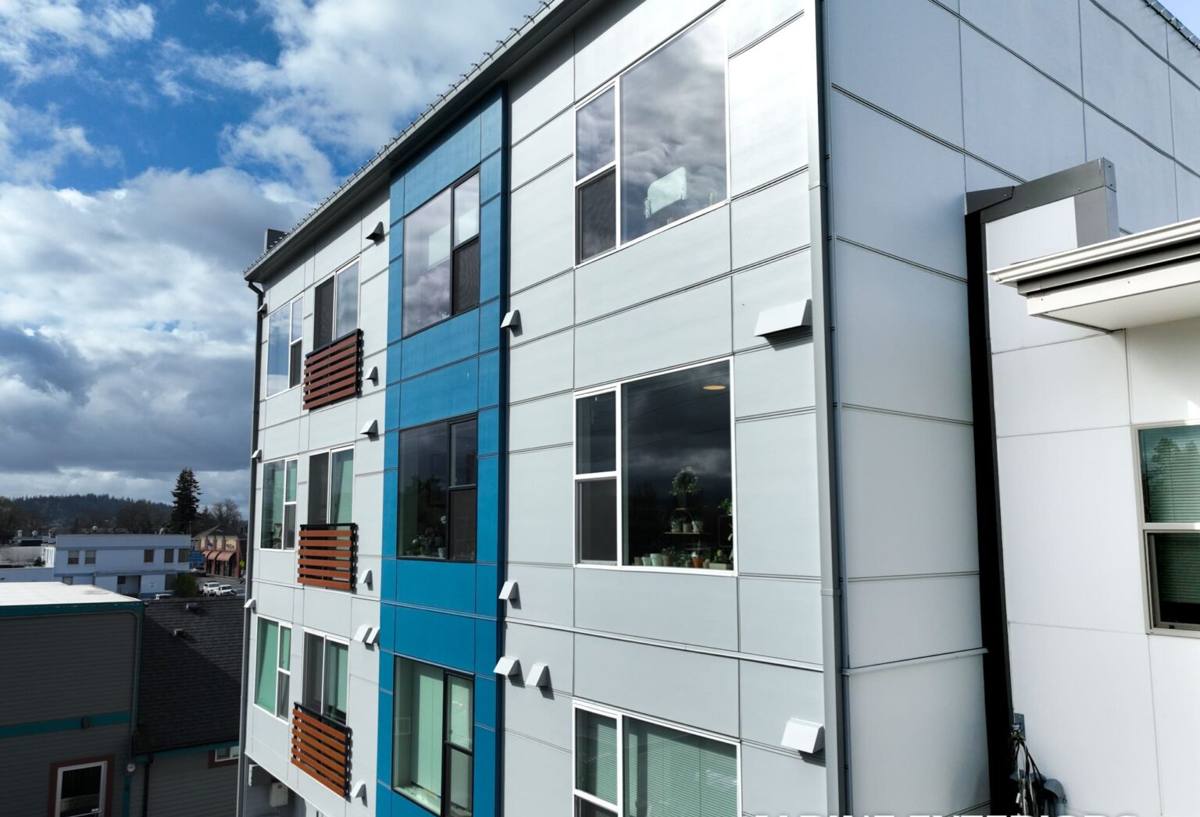
Vinyl Frames: The Budget-Friendly Default
Vinyl (PVC) is the most common window frame material installed in the Pacific Northwest, and for good reason. It doesn't rot, it doesn't need painting, and it's the most affordable option on a per-window basis. Modern vinyl frames are multi-chambered for insulation and hold up well against our rain as long as the installation detailing — flashing, sealant, and weep paths — is done correctly.
The trade-offs are real, though. Vinyl expands and contracts with temperature swings, which over many years can stress the corner welds on lower-quality frames. Darker vinyl colors absorb more heat and can warp faster in direct southern exposure, which matters less in our cloudy climate than it does elsewhere, but still applies on unshaded south- and west-facing walls. Vinyl also can't be refinished — if the color fades or the frame gets damaged, replacement is the only fix.
Wood Frames: Warmth With a Maintenance Price Tag
Nothing matches the look of a real wood window, and for older homes in Bellingham's historic neighborhoods, wood is often the right call for matching original character. Wood also insulates well on its own, without the reinforcement some other materials need.
The honest downside is moisture. Wood is organic material, and organic material in a climate with this much annual rainfall and this long a moss season needs consistent upkeep — repainting or restaining on a cycle, prompt attention to any failed caulk joints, and vigilance about anything growing against the exterior face. Skip that maintenance for a few seasons in a shaded, damp spot and you're looking at rot repair, not just a paint job. We install and repair wood windows, but we're upfront that they're a higher-commitment product than the alternatives.
Fiberglass Frames: The Quiet Long-Term Performer
Fiberglass is less familiar to a lot of homeowners, but it's earned a strong reputation among contractors who deal with wet coastal climates. It expands and contracts at nearly the same rate as glass, which reduces stress on seals over time — a meaningful advantage when a house goes through the temperature swings of a marine climate day after day, year after year. It doesn't rot, doesn't rust, and can be painted if you want to change the color down the road.
The main trade-off is cost. Fiberglass frames typically sit above vinyl and can approach or exceed some wood and composite options, depending on the line. For homeowners planning to stay in a home long-term, or anyone tired of repainting or replacing frames on a shorter cycle, the upfront cost is often worth weighing against the reduced maintenance over 20-plus years.
Aluminum Frames: Strong, Cold, and Situational
Aluminum frames are strong, slim-profiled, and hold up structurally to wind and driving rain about as well as any material available — which is part of why you still see them on commercial storefronts and larger picture windows. Aluminum won't rot, warp, or absorb moisture into the frame material itself.
Its real limitation in our climate is thermal performance. Aluminum conducts heat and cold efficiently, which means an aluminum frame without a proper thermal break can become a cold spot on the interior face of the window and a condensation risk during our damp winters. Thermally broken aluminum frames address this, but at added cost, and we generally reserve aluminum for larger openings or specific architectural styles rather than recommending it as a whole-house solution for typical residential remodels.
Composite and Clad-Wood: Splitting the Difference
Composite frames — engineered from wood fiber and polymer blends — and clad-wood frames, which pair a wood interior with an aluminum or vinyl exterior shell, both aim to capture the best of both worlds: wood's warmth and insulation on the inside, low-maintenance material facing the weather outside.
They generally deliver on that promise, with one caveat worth knowing before you buy: the cladding is only as good as its seal at joints and corners. If water finds its way behind the cladding through a failed joint, it can sit against the wood core longer than it would on a fully exposed wood frame, because it's hidden from view. That's not a reason to avoid these products — it's a reason to make sure whoever installs them details the joints and drainage correctly, and to have them checked periodically rather than assumed maintenance-free.
How Frame Material Interacts With Bellingham's Climate
Salt air and moisture
Homes closer to Bellingham Bay and other shoreline-adjacent areas of Whatcom County deal with airborne salt that accelerates corrosion on unprotected metal hardware and fasteners, regardless of frame material. Vinyl, fiberglass, and quality composite frames sidestep this issue at the frame level, but always ask what hardware and fasteners are being used — that detail matters as much as the frame material itself in salt-exposed locations.
Driving rain and wind-driven water
Storms here often come with a horizontal component, driving rain into vertical wall assemblies rather than just falling straight down. This puts more stress on the sill, the flashing, and the sealant joints than on the frame material itself. Any of the materials above can perform well in driving rain if installed with proper flashing and a drainage path — and any of them can fail prematurely if installed without one. Installation quality matters at least as much as material choice.
Moss season and shaded exposures
Whatcom County's long wet, mild winters create ideal conditions for moss and algae growth on north-facing and heavily shaded walls. This mostly affects surrounding siding and trim, but it matters for window frames too: organic growth against a wood sill holds moisture against the wood far longer than it would on vinyl, fiberglass, or aluminum. If your home has a shaded elevation with a moss problem on the siding, that's a signal to think harder about a low-maintenance frame material on that specific side of the house, even if you choose wood elsewhere.
Cost Factors Beyond the Sticker Price
Frame material price varies by manufacturer, size, and glass package, so we won't quote numbers that don't hold up across the range of products out there. What's more useful is understanding what drives the total cost of ownership over time.
| Material | Typical Upfront Cost | Ongoing Maintenance | Best Suited For |
|---|---|---|---|
| Vinyl | Lowest | Minimal | Budget-conscious full-house replacements |
| Wood | Mid to High | Highest (painting/staining cycle) | Historic homes, matching original character |
| Fiberglass | Mid to High | Low | Long-term owners, harsh weather exposures |
| Aluminum | Mid | Low | Large openings, commercial-style architecture |
| Composite/Clad-Wood | Mid to High | Low to Moderate | Wood look with reduced exterior upkeep |
The other cost factor homeowners often miss is warranty structure. Frame warranties vary widely in what they actually cover — some cover the frame material only, others include seal failure or finish issues, and terms on things like glass seal failure or hardware are frequently separate from the frame warranty itself. Reading the actual warranty document, not just the sales brochure, tells you more about long-term cost than the sticker price does.
A Practical Checklist Before You Choose
- Note which walls of your home get the most shade and moisture exposure — that may call for a different material than sun-exposed walls
- Ask what's actually covered in the manufacturer's warranty, including seal failure, finish, and hardware
- If you're near the water or in an area with noticeable salt air, ask specifically about hardware and fastener material
- Get the installation details explained, not just the product brand — flashing and drainage decide how any frame material performs over time
- Factor in how long you plan to stay in the home; low-maintenance materials pay off more the longer you own the house
- If matching a historic or architecturally specific look matters, weigh that against the maintenance commitment before ruling materials out
Our Take
There's no single "best" frame material — there's a best material for your specific house, exposure, budget, and how much maintenance you're willing to take on. Vinyl and fiberglass cover most standard replacement projects well in this climate. Wood earns its place on homes where character matters and the owner is willing to keep up with it. Aluminum and clad options solve specific problems on specific projects. What we won't do is push one material as a universal answer, because in a climate as varied as Whatcom County's — shoreline salt air in some neighborhoods, deep shade and moss in others, open exposure to driving storms elsewhere — the honest answer depends on where your house actually sits.
If you'd like a straight opinion on what makes sense for your home, we're happy to take a look and walk through the trade-offs in person. Reach out for a free, no-pressure estimate using the form below.