 Bellingham Window
 Windows in a North Bellingham Climate
Cordata sits far enough inland to avoid the worst of the waterfront spray, but it still gets the same weather pattern that shapes every neighborhood in Whatcom County: long stretches of low-intensity rain, humid air moving in off the Salish Sea, and short bursts of hard, wind-driven storms in the fall and winter. Add in the moss and algae season that runs from roughly October through April, and windows here are working harder than most homeowners realize. None of this is dramatic, and it doesn't need to be. It's slow, cumulative wear — the kind that shows up as a sticky sash, a foggy pane, or a draft you can feel standing near the glass on a windy evening.
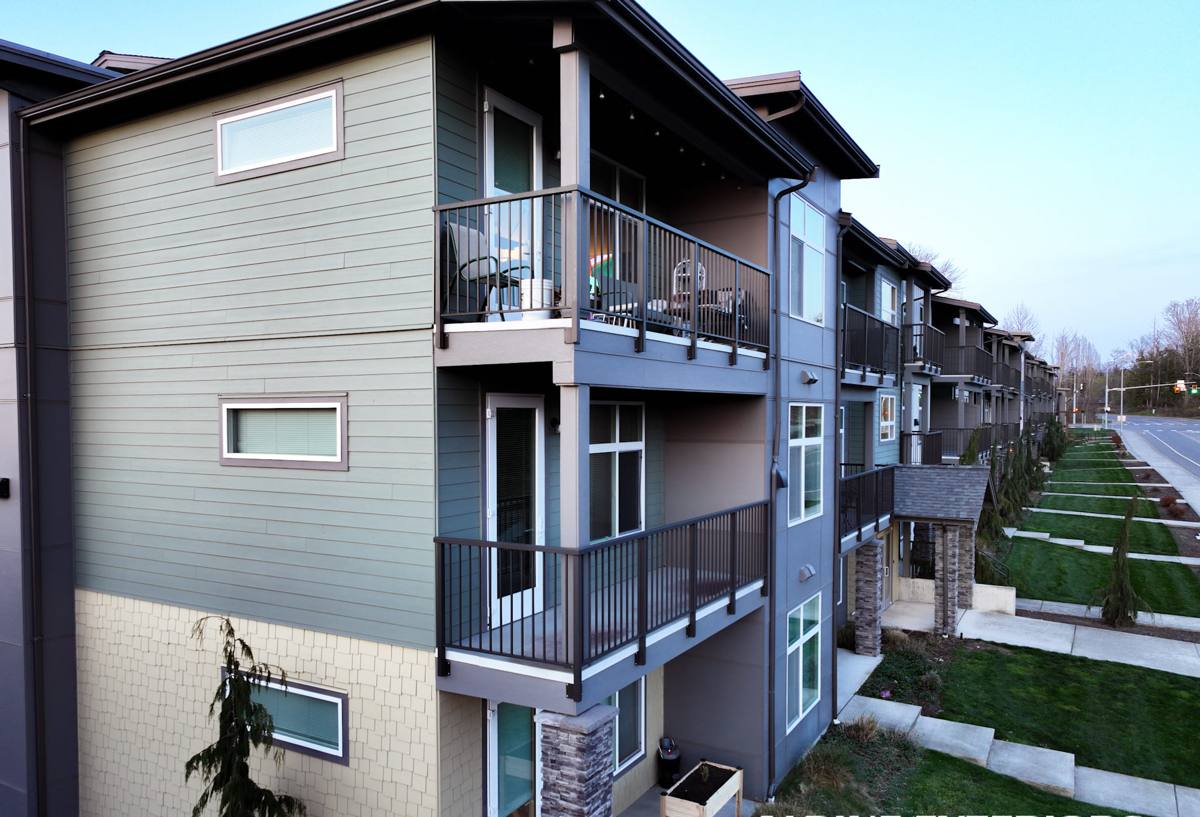
We've replaced and repaired windows all over Bellingham and the surrounding Whatcom County area, and Cordata's mix of housing stock — from older single-family homes to newer construction near the retail corridor — gives us a good cross-section of what actually fails first and why.
What This Climate Does to Windows Over Time
Moisture, Not Heat, Is the Enemy
Bellingham doesn't get extreme temperature swings, so windows here rarely fail from thermal stress the way they might in a climate with harsh summers and freezing winters. Instead, the failure mode is moisture: persistent humidity works its way into seals, sash joints, and frame corners over years of exposure. Once a seal starts to break down, condensation between panes (in double- or triple-glazed units) becomes a matter of time, not chance.
Driving Rain and Wind-Driven Water
Most of the year, Bellingham rain is gentle. But a handful of times each season, wind pushes rain sideways against west- and southwest-facing walls. That's when poorly flashed or aging window installations show their weak points — water finds its way behind trim, into sill pans, or through gaps that were never sealed correctly to begin with. A window that's been fine for a decade can suddenly show a stain or soft spot after one bad storm, simply because it was already close to the edge.
Moss and Organic Growth
Whatcom County's long wet season supports moss, algae, and mildew growth on almost any exterior surface that stays shaded and damp — including window sills, tracks, and the wood or composite trim around older units. Left alone, that growth holds moisture against the frame and accelerates rot in wood-framed windows or trim. It's rarely a reason to replace a window on its own, but it's often the first visible sign that a window's drainage isn't working the way it should.
Signs a Window Needs Attention
Most homeowners don't think about their windows until something is obviously wrong, but there are earlier signs worth catching:
- Fogging or a milky haze between panes of glass — a sign the seal has failed and the insulating gas or air gap is compromised
- Windows that are hard to open, close, or lock, especially after a stretch of wet weather
- Visible gaps, soft or discolored wood around the frame, or paint that's bubbling near the sill
- A noticeable draft near the window even when it's fully closed and locked
- Condensation forming on the inside of the glass regularly, which can point to poor seals or inadequate glazing for our humidity levels
- Moss, mildew, or dark streaking building up on the sill or lower frame
Any one of these on its own might just need a repair. Several at once, especially on a window that's original to an older home, usually means replacement is the more cost-effective path.
Repair or Replace: How We Help You Decide
We don't default to replacement just because it's the bigger job. A single failed seal, a worn weatherstrip, or a sash that's been painted shut can often be fixed for a fraction of the cost of a new unit, and we'll say so plainly if that's what the situation calls for. Replacement makes sense when the frame itself has deteriorated, when a window is single-pane and losing energy year-round, or when repair costs start approaching a meaningful share of what new glass would cost anyway.
| Factor | Favors Repair | Favors Replacement |
|---|---|---|
| Frame condition | Solid, no rot or warping | Soft wood, visible rot, or persistent warping |
| Glass seal | Clear, no fogging | Fogged or moisture between panes |
| Age of window | Under 15-20 years | Original to an older home, single-pane |
| Operation | Sticks occasionally but functions | Won't open, close, or lock reliably |
| Energy performance | Reasonable, minor draft | Noticeable heat loss, high energy bills |
Our Window Replacement Process
Assessment First
We start by looking at the actual condition of the frame, the flashing, and the surrounding siding or trim — not just the glass. In a climate where wind-driven rain is a factor, how a window is flashed and sealed matters as much as the window unit itself. A well-built window installed without proper water management will eventually leak; a modest window installed correctly will hold up for years.
Product Selection
We talk through vinyl, fiberglass, and wood-clad options based on your home's style, budget, and how much upkeep you want to take on. For this region, we generally steer homeowners away from products with maintenance-heavy exterior finishes or moisture-sensitive components exposed directly to the weather — not because any one brand is bad, but because our wet season is unforgiving of anything that needs regular resealing or painting to stay watertight. Low-maintenance, well-sealed units tend to be the better long-term investment here.
Installation and Sealing
Proper flashing and sealing around the window opening is where most long-term problems either get prevented or get built in. We pay close attention to sill pans, head flashing, and how the window ties into your existing siding — whether that's fiber cement, vinyl, or wood — so water is directed out and away from the wall assembly, not just caulked over.
Choosing Windows for a Wet, Coastal-Influenced Climate
| Consideration | Why It Matters Here |
|---|---|
| Frame material | Vinyl and fiberglass resist moisture absorption and don't need repainting; wood needs more upkeep in our humidity |
| Glazing | Double- or triple-pane with a quality seal reduces condensation on interior glass during humid, cool months |
| Weatherstripping | Compression-style seals hold up better against sustained wind-driven rain than basic foam strips |
| Drainage design | Sills and tracks need to shed water efficiently to resist moss and algae buildup |
| Finish | Low-maintenance exterior finishes reduce the need for repainting or resealing in a climate that rarely gives you a long dry stretch |
Why a Local, Whatcom County Crew Matters
Window installation isn't just about the product — it's about how it's installed for the specific conditions it'll face. A crew that works across the country might treat Bellingham like any other market. We work here every week, in this rain, on homes dealing with this exact combination of humidity, wind direction, and moss growth. That means we know which details actually matter for longevity in this area and which are just marketing. It also means when you call us for a warranty question or a follow-up adjustment, you're calling a crew that's still local and still accountable, not a regional office three states away.
Because we also handle siding, roofing, and decks, we look at your windows as part of the whole exterior envelope. A window replacement is a good opportunity to check the flashing and trim around it, and if there's a related siding or moisture issue nearby, we'll flag it honestly rather than install a beautiful new window next to a problem that's going to undermine it.
Maintaining Your Windows Between Services
- Clear moss, dirt, and debris from sills and tracks a couple of times a year, especially heading into and out of the wet season
- Check weatherstripping annually for gaps, compression loss, or cracking
- Watch for peeling paint or soft wood on wood-framed windows and address it before rot spreads
- Keep an eye on interior condensation — persistent fogging on cool mornings can be an early sign of a ventilation or seal issue
- Have caulking around the frame inspected every few years, since UV and moisture cycling break it down gradually
What to Expect When You Call Us
We'll come look at your windows, tell you honestly whether repair or replacement makes more sense, and walk you through material and budget options without pressure. If it's a simple fix, we'll say so. If replacement is the smarter long-term call, we'll explain why in plain terms tied to what we actually see on your home — not a sales script.
If you're noticing drafts, fogged glass, or sticking windows on your Cordata home, we're happy to take a look and give you a straightforward, no-pressure estimate. Use the form below to get in touch and we'll set up a time to come by.