 Bellingham Window
 Why Window Prices Vary So Much From House to House
Ask three window contractors for a quote on the same house and you'll often get three different numbers. That's not because someone is padding a bid or someone else is cutting corners — it's because "new windows" isn't one product, it's a stack of decisions, and every one of those decisions has a price attached. Frame material, glass package, installation method, the condition of the wall behind the old window, even how many openings you're doing at once — all of it moves the number.
This page walks through what actually drives window pricing so you can read a quote and understand what you're paying for, instead of just comparing bottom-line totals. We'll also touch on a few things that matter specifically here in Bellingham and Whatcom County, where salt air off the bay, driving rain, and a long moss season put real demands on a window that a spec sheet won't tell you about.
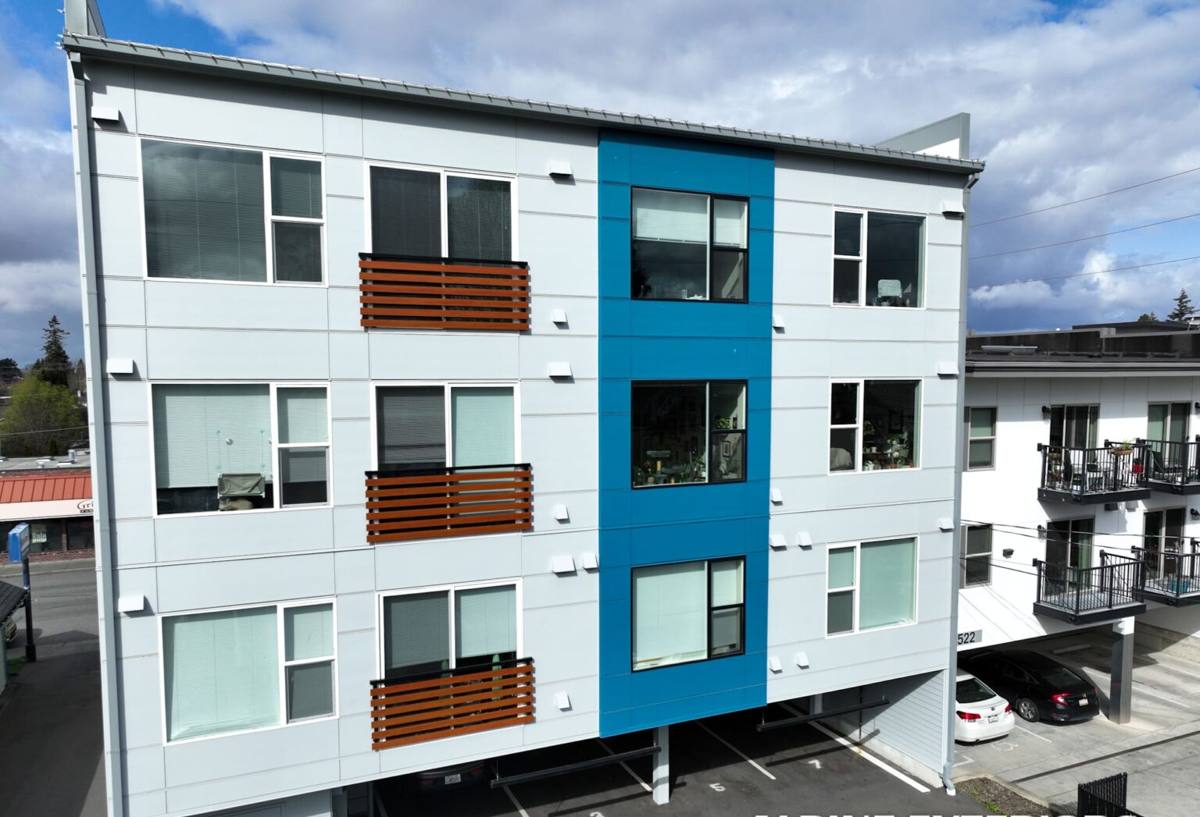
The Main Cost Drivers, At a Glance
Before we go section by section, here's the short version of what moves a window quote up or down.
| Factor | Why It Matters |
|---|---|
| Frame material | Vinyl, fiberglass, wood, and aluminum-clad all carry different material and labor costs |
| Glass package | Double vs. triple pane, Low-E coatings, and gas fills change both cost and performance |
| Installation method | Full-frame replacement costs more than an insert but solves more problems |
| Size and opening count | Larger openings and more windows mean more material, labor, and disposal |
| Access and site conditions | Second-story openings, tight landscaping, or scaffolding needs add labor time |
| Hidden wall condition | Rot, moisture damage, or out-of-square framing found once we open things up |
Each of these deserves a closer look, because they don't all carry equal weight — and a couple of them are things you have real control over.
Frame Material: The Biggest Line Item
Frame material is usually the single largest factor in a window's price, and it's also the one homeowners have the most direct say over.
| Material | General Cost Position | Maintenance | Notes for This Climate |
|---|---|---|---|
| Vinyl | Most affordable | Low — no painting or sealing | Good moisture resistance; quality varies a lot between grades |
| Fiberglass | Mid to upper range | Low | Very stable in temperature swings and wet-dry cycles common near the water |
| Wood | Upper range | Higher — periodic painting/sealing | Handsome look, but needs real upkeep in a climate with this much annual rainfall |
| Aluminum-clad wood | Upper range | Moderate | Exterior clad protects the wood, but seams and corners need careful detailing |
We're honest with clients about trade-offs rather than pushing whatever has the best margin. A bare wood exterior, for example, looks great on day one, but in a marine climate with this much sustained moisture and moss growth, it asks for a maintenance commitment a lot of homeowners underestimate. That's not a knock on wood windows — it's just a fact about what wood does when it sits in wet weather for months at a stretch, and we'd rather you know that going in than find out the hard way.
Glass Packages and Our Wet Climate
The glass itself is where a lot of the real performance difference lives, and it's easy to underestimate how much it affects both cost and comfort.
- Double vs. triple pane: Triple-pane glass costs more up front but adds insulation value and sound dampening — worth weighing if the home faces a busy street or gets strong wind off the water.
- Low-E coatings: These microscopically thin coatings reduce heat transfer and UV fading. They add modest cost and are worth it in almost every case here.
- Gas fills (argon/krypton): Sealed between panes to slow heat transfer further. Adds a small premium, meaningful over the life of the window.
- Impact or laminated glass: Less common here than in storm-prone regions, but sometimes chosen for sound control near busier roads.
Given how much of the year Bellingham sees rain and overcast skies, we lean toward glass packages that manage condensation and heat loss well rather than chasing the cheapest pane available. A window that fogs or sweats on the inside during a cold, wet stretch usually points back to a glass package that wasn't matched to the climate.
Installation Method Matters as Much as the Window Itself
Two houses can buy the identical window and end up with very different bills, because how it goes in matters as much as what goes in.
Insert (Pocket) Replacement
The new window frame is installed inside the existing frame. Faster, less disruptive, and less expensive — a good option when the existing frame is square, dry, and structurally sound.
Full-Frame Replacement
The old frame comes out entirely, down to the rough opening, so we can inspect and repair the framing, flashing, and sill underneath. It costs more in labor, but it's the right call whenever there's evidence of past water intrusion — which, given our rainfall and the number of older homes around Whatcom County, is more common than people expect.
We don't default to the cheaper method just because it's cheaper. If we can see or suspect moisture damage behind the trim, we'll tell you why full-frame is the honest recommendation, even though it costs more, rather than installing a new window over a problem that's still there.
Size, Count, and Access
The straightforward stuff still matters: larger openings use more material and take longer to set. A whole-house project has per-unit efficiencies a single-window job doesn't. And access changes labor time in ways that are easy to overlook — a second-story window over a steep slope or dense landscaping takes longer to stage safely than a ground-floor window with a clear approach. If your home has multiple stories or tricky sightlines, expect that reflected in the labor portion of the quote, not because anyone's overcharging, but because the work genuinely takes longer to do safely and well.
Hidden Costs: What Shows Up Once We Open the Wall
This is the part of a window project that's hardest to price ahead of time, and the most important to understand before you sign anything. Once the old window and trim come out, we sometimes find:
- Soft or rotted framing from long-term moisture intrusion
- Failed or missing flashing that let water track behind the siding
- Out-of-square openings on older homes that need shimming or minor carpentry
- Insulation that's compressed, missing, or wet and needs replacing
None of this is unusual in a climate that sees as much sustained rain as ours, especially on homes that are a few decades old or that sit in spots exposed to wind-driven rain. A reputable contractor flags this as a possibility up front and explains how it would be handled and priced — not as a surprise add-on sprung on you mid-project, but as a known risk in older housing stock that gets confirmed once the wall is actually open.
Getting an Accurate Number for Your Home
The only way to get a number you can actually trust is a proper in-person look at your home, not a phone estimate based on square footage alone. Here's what helps that process go smoothly:
- Know roughly how many windows you're replacing and whether it's the whole house or select openings
- Note any windows that currently show fogging, drafts, sticking, or visible water staining — those often point to bigger issues behind the trim
- Decide whether you're prioritizing lowest cost, best long-term performance, or matching a specific look
- Ask whether the quote assumes insert or full-frame installation, and why
- Get the glass package spelled out — pane count, Low-E, gas fill — not just "energy efficient" as a vague label
- Ask what happens, cost-wise, if hidden damage turns up once the old window is removed
A quote that answers all of these clearly is one you can compare fairly against another. A quote that's just a single lump number, with none of this broken out, is much harder to evaluate — and harder to hold anyone to later.
Ready for a Real Number, Not a Guess
Every home in Bellingham and around Whatcom County carries its own combination of age, exposure, and prior repairs, and that's exactly what determines your actual cost — not a generic average pulled from a website. If you'd like a clear, no-pressure look at your windows and an honest breakdown of what's driving the price for your specific house, use the form below to request a free estimate.