 Bellingham Window
 Exterior Contracting for Barkley Homeowners
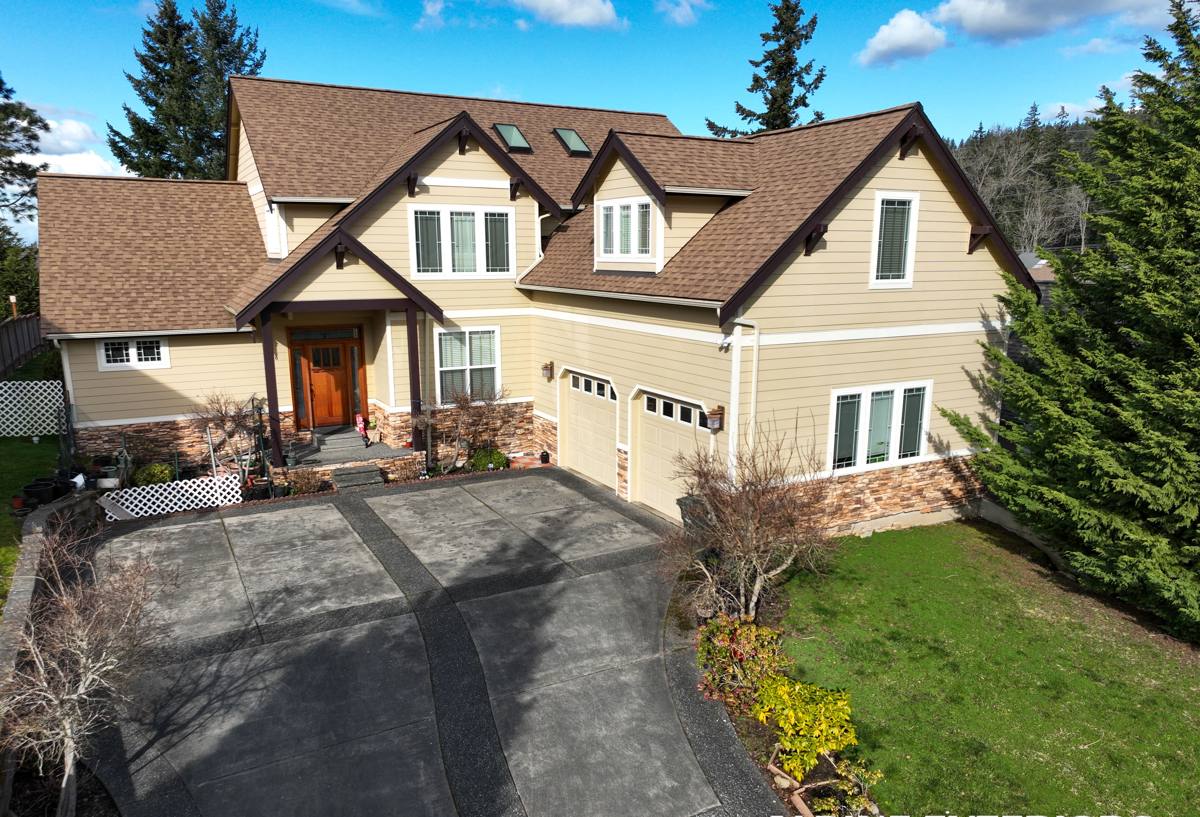
Barkley sits close enough to the water and the surrounding evergreen cover that its homes take on a specific kind of weather stress year-round. Bellingham Window Co works throughout Whatcom County, and Barkley is one of the areas where we spend a lot of time on siding, roofing, window, and deck projects because the housing stock here spans everything from newer builds to older homes that have been through several decades of Pacific Northwest winters. Whether your home is a recent build or one that's due for its first major exterior refresh, the approach has to account for what this specific climate does to materials over time.
This page covers what we see most often in Barkley, how our services address those conditions, and what to think about when you're planning exterior work.
What This Climate Does to a Home
Salt Air and Moisture
Being close to Bellingham Bay means homes in and around Barkley deal with a steady presence of salt-laden air. Over years, that air accelerates corrosion on exposed metal fasteners, flashing, and hardware, and it can degrade certain finishes faster than you'd see further inland. It's not usually dramatic or sudden damage — it's a slow wear pattern that shows up as pitting on hardware, premature paint failure, or corrosion streaks below flashing joints.
Driving Rain
Whatcom County doesn't just get a lot of rain — a good portion of it comes in sideways during winter storms, driven by wind off the Sound. Driving rain finds weaknesses that vertical rain never would: gaps around window flanges, undersized roof overhangs, siding laps that aren't quite tight enough, and deck ledger connections where water can wick in. Homes built to a lower-wind-driven-rain standard, or where original flashing details have failed over time, are the ones we see with hidden moisture problems.
Moss and Shade
Barkley's tree cover is part of what makes the neighborhood appealing, but shade means moisture sits longer on roofs, decks, and north-facing siding before it dries. That extended damp period is exactly what moss needs to establish. Once moss takes hold on a roof, it lifts shingle edges and holds water against the surface, and on decking it turns into a slip hazard and traps moisture against the wood or composite material. Long moss season here means maintenance intervals that work fine in drier climates don't really apply.
Windows
Window failures in this climate rarely start with the glass — they start with the seal, the flashing, or the frame material. We look at three things on every window job: how the unit will handle wind-driven rain at the flange, how the frame material holds up to sustained moisture exposure, and whether the installation detail actually matches how water moves down a wall in a storm, not just in a light rain.
For replacements, we talk through frame material trade-offs honestly. Vinyl performs well for most Barkley homes on cost and moisture tolerance, but it's not the right call everywhere — homes with specific architectural details sometimes call for fiberglass or wood-clad options, each with its own maintenance and cost profile. We won't push a product because it's easier to install; we'll tell you what fits the house and the budget.
Signs a Window Needs Attention
- Visible condensation between panes (failed seal)
- Drafts you can feel even with the window latched shut
- Soft or discolored trim or sill material
- Difficulty opening, closing, or latching that wasn't there before
- Visible daylight gaps around the frame
Siding
Siding is the first line of defense against driving rain, and it's also the surface most exposed to salt air corrosion on fasteners and trim. We check lap coverage, house wrap continuity, and flashing at every penetration — windows, hose bibs, vents — because that's where driving rain actually gets in, not through the flat field of the siding itself.
Different siding materials handle this climate differently. Fiber cement holds up well against moisture and doesn't feed moss the way untreated wood can, but it needs proper caulking and paint maintenance at joints. Engineered wood products have improved a lot but are still more sensitive to sustained moisture exposure than fiber cement, so installation detail matters even more. Vinyl is low-maintenance but can show its age at the seams in older installations. We'll walk you through what's actually appropriate for your home's exposure rather than defaulting to one product for everyone.
Roofing
Roofs in Barkley's shadier lots deal with moss more than roofs in open, sunny areas of Bellingham. Left alone, moss doesn't just look bad — it lifts shingle tabs, holds moisture against the roof deck, and shortens the life of the roofing material well before its rated lifespan. Metal flashing at valleys, chimneys, and penetrations is often where we find the actual leak point on an older roof, even when the shingles themselves still look serviceable.
Ventilation matters as much as the roofing material itself in this climate. A roof that can't properly vent moisture from the attic space traps humidity that accelerates decking rot and can encourage mold growth, regardless of how good the shingles are. When we look at a roof, we're assessing the whole system — decking, ventilation, flashing, and covering — not just the surface layer.
Decks
Outdoor living is part of why people live in this area, but decks take the most direct hit from moss, standing water, and shade-driven moisture retention. Ledger board connections — where the deck attaches to the house — are the single most common failure point we find, because water intrusion there is often invisible until the structure is compromised.
Composite decking has become popular because it resists moss growth better than untreated wood and doesn't need annual staining, though it costs more upfront and still needs proper substructure ventilation to perform well. Pressure-treated wood decking is more affordable but requires a real maintenance commitment — cleaning and sealing on a schedule that accounts for this area's extended damp season, not a generic annual timeline.
Material Comparison for This Climate
| Material | Moisture Resistance | Moss/Growth Resistance | Maintenance Level |
|---|---|---|---|
| Fiber cement siding | High | High | Periodic caulk/paint upkeep |
| Vinyl siding | High | High | Low, watch seams over time |
| Engineered wood siding | Moderate | Moderate | Regular inspection needed |
| Composite decking | High | High | Low, occasional cleaning |
| Pressure-treated wood decking | Moderate | Low without upkeep | Annual cleaning/sealing |
| Vinyl-framed windows | High | N/A | Low |
| Wood-clad windows | Moderate | N/A | Periodic finish maintenance |
Why a Local Crew Matters
Exterior work in Whatcom County isn't the same job as exterior work in a drier or more sheltered climate, and it's easy to see the difference when a crew hasn't worked in wind-driven rain conditions before. Flashing details that hold up fine in a mild climate can fail here within a few seasons if they're not built for sideways rain and prolonged dampness. A crew that works this area regularly knows to check the details other crews might skip — the ledger flashing, the kickout flashing at roof-to-wall intersections, the fastener spacing that accounts for salt air corrosion over the long term.
We also know that a Barkley home under heavy tree cover needs a different maintenance conversation than a home in an open, sunny lot a few miles away, even though both are technically in Bellingham. That local knowledge shapes the recommendations we make, not just the labor we perform.
Planning Your Project
Questions Worth Asking Before You Start
- Is this a repair, or is it time to plan a full replacement?
- How much shade and moss exposure does this specific side of the house get?
- What's the age and condition of the flashing behind the visible surface?
- Does the budget allow for a lower-maintenance material now, or is a maintenance schedule more realistic?
- Are there multiple issues (roof, siding, windows) that make sense to bundle into one project?
Bundling related exterior work — say, siding and window replacement together — often makes sense because it avoids redoing flashing twice and can simplify scheduling. It's not always the right call, though, and we'll tell you honestly if it isn't for your situation.
Get an Honest Look at Your Home
If you're dealing with a moss-covered roof, drafty windows, aging siding, or a deck that's seen better days, we're happy to come take a look and give you a straightforward assessment — no pressure, no upsell. Fill out the form below to schedule a free estimate, and we'll walk the property with you and talk through what actually needs attention versus what can wait.