 Bellingham Window
 Windows Built for Edgemoor's Bay-Facing Exposure
Edgemoor sits close to Bellingham Bay, with a mix of wooded lots, bluff-side properties, and homes that catch open water views and open water weather in the same breath. That combination — salt-laden air off the bay, wind-driven rain rolling in off the Sound, and heavy tree cover in the more wooded pockets of the neighborhood — puts real, specific stress on windows that a lot of manufacturers' standard warranties never anticipated. We've worked on enough homes in this part of Bellingham to know that "it's just Pacific Northwest weather" undersells what a bay-adjacent property actually deals with year to year.
This page walks through what we see most often on Edgemoor homes, how we approach window replacement and repair for this specific exposure, and what to think about before you sign off on a project.
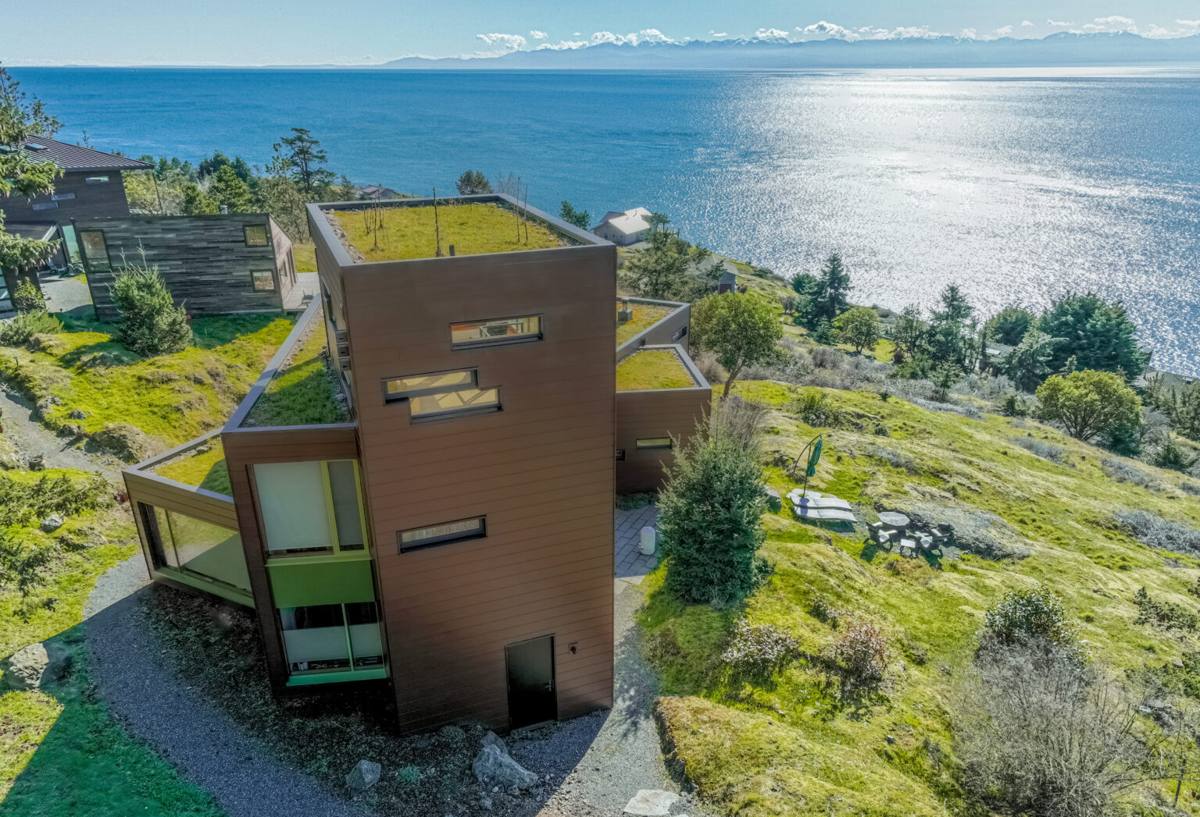
What Edgemoor's Climate Does to Windows Over Time
Salt Air and Metal Fatigue
Properties within reach of bay air deal with airborne salt that settles on window hardware, screen frames, and exposed fasteners. Over years, this accelerates corrosion on lower-grade aluminum components, cranks and hinges on casement units, and even the finish on some vinyl cladding around metal reinforcement. It's rarely dramatic — it's a slow pitting and stiffening that shows up as a window that used to open easily and now fights you.
Driving Rain and Wind-Loaded Water
Whatcom County gets plenty of straight-down rain, but the exposure that does the damage in Edgemoor is wind-driven rain — water pushed sideways and upward into seams, sills, and the top of window frames during a storm coming off the water. Windows and flashing details that are perfectly fine in a sheltered inland yard can leak in a bay-facing wall if the original installation wasn't detailed for wind-driven moisture.
Moss, Mildew, and the Long Wet Season
Bellingham's moss season runs long, and Edgemoor's tree cover in shadier lots keeps humidity and shade lingering around window trim and sills well after a storm has passed elsewhere. Wood trim and sills that stay damp for extended stretches are where we most often find rot starting — not from one bad storm, but from months of surfaces that never fully dry out between rain events.
Shade, Debris, and Slower Drying
Wooded lots mean gutters and window wells collect needles and leaf litter more than an open exposure would. That debris holds moisture against sills and trim, which compounds the mildew and rot issues above. It's a maintenance factor as much as a product one, but it changes how we detail flashing and drainage on installs in this part of town.
Signs Your Windows Are Losing the Battle
- Visible fogging or moisture between panes on double- or triple-glazed units — a sign the seal has failed
- Soft or discolored wood trim around the frame, especially on the bottom sill
- Cranks, locks, or hardware that have gotten stiff, gritty, or hard to operate
- Drafts you can feel with a hand held near the frame on a windy day
- Paint or finish that's peeling or bubbling on interior trim near the window, which often points to moisture getting in from outside
- Visible moss or dark streaking building up on the exterior sill or below the window
- A noticeable jump in heating costs without another clear explanation
Frame Materials: What Holds Up in This Exposure
Every window material has trade-offs, and the right call depends on the specific wall, sun exposure, and how close the home sits to open water. Here's how the common options generally perform in a bay-influenced, wet-climate setting like Edgemoor.
| Material | Salt/Moisture Resistance | Maintenance | Typical Trade-offs |
|---|---|---|---|
| Vinyl | Good — won't corrode or rot | Low | Can't be painted a different color later; expands/contracts with temperature swings |
| Fiberglass | Very good — stable in wet, salt-air conditions | Low | Higher upfront cost than vinyl |
| Wood (unclad) | Poor without diligent upkeep | High | Beautiful and traditional, but needs regular painting/sealing to survive this exposure |
| Wood-clad (aluminum or vinyl exterior, wood interior) | Good on the exterior face | Moderate | Interior wood still needs normal upkeep; cladding seams are a detail to get right |
| Aluminum | Fair — can corrode faster in salt air unless well-finished | Low to moderate | Conducts heat and cold more than other frames unless thermally broken |
We don't push one brand or material as a blanket answer for every Edgemoor home. A window on a sheltered, tree-covered side of the house has different needs than one facing the bay directly, and we'll walk that distinction with you rather than quoting the same package for both.
Glass Packages Worth Discussing
Beyond frame material, the glass package matters for comfort and condensation control. Double-pane with a low-E coating is the baseline we'd recommend for almost any Bellingham home; triple-pane adds real value on bay-facing or north-facing walls where wind exposure and heat loss are more pronounced. Argon or krypton gas fill between panes is a modest but real upgrade for insulation — it's not a gimmick, but it's also not going to transform a poorly installed window into a good one. Installation quality matters more than any single spec on the glass label.
Why Installation Detail Matters More Here Than Elsewhere
A window is only as good as the flashing, sealing, and drainage plan around it. In a wind-driven-rain environment, that means:
- Proper flashing tape and pan flashing at the sill, not just caulk, so any water that does get past the frame has somewhere to drain instead of soaking into the wall
- Weather-resistant barrier integration that keeps the window's water management working with — not against — the rest of the wall assembly
- Backer rod and sealant detailing sized correctly for the gap, since undersized sealant joints are a common failure point in older installs
- Attention to the specific wall orientation — a bay-facing wall gets more careful detailing than a sheltered one
This is where a lot of window problems in this area actually start. The window unit itself is rarely the failure point — it's usually a shortcut taken during installation that only shows itself two or three winters later.
How We Approach a Project in Edgemoor
Assessment First
We start by looking at the actual condition of your existing windows and the wall assembly around them — not just quoting a replacement number off a room count. If there's underlying trim rot or flashing that needs to be corrected, we'll tell you before work starts, not after we've already opened the wall.
Scheduling Around Whatcom County Weather
Window replacement means an open wall for a period of time, so we plan installs around forecast windows and work efficiently to minimize how long any opening is exposed. In a neighborhood that gets its share of wind off the bay, that planning isn't optional — it's part of doing the job right.
Coordinating With Other Exterior Work
Because we also handle siding, roofing, and decks, we can flag when a window issue is connected to a bigger picture problem — a roof leak tracking down into a window header, or siding that's trapping moisture against a frame. Replacing a window without addressing the cause behind its failure just means you'll be back here again in a few years.
Why a Local Crew Matters for This Kind of Work
Anyone can sell you a window. Understanding how a specific Bellingham neighborhood's exposure — bay air, tree cover, wind direction, rainfall pattern — affects that window over the next fifteen years takes local experience. We're working in Whatcom County homes regularly, in this same climate, which means we're not guessing at what "driving rain" or "moss season" actually does to a wall over time. That local familiarity shapes the material recommendations and installation details we bring to an Edgemoor project.
Budgeting for Window Work
Costs vary widely based on window count, size, material, and whether we're doing a straightforward replacement into an existing opening versus correcting rot or flashing issues discovered along the way. Rather than quote a number that won't reflect your specific home, we'd rather walk the property, look at what's actually going on, and give you a real, itemized estimate. Broadly, expect fiberglass and higher-end vinyl to sit above builder-grade vinyl, and expect any project that uncovers hidden water damage to include a discussion of repair scope before we move forward with the new window.
Get a Straight Answer on Your Windows
If you're dealing with drafts, fogged glass, sticking hardware, or just want an honest read on how much life your current windows have left, we're happy to take a look. We'll give you a clear, no-pressure estimate for Edgemoor, and if the real issue is something other than the windows themselves — flashing, trim, or a roof detail — we'll tell you that too. Use the form below to get started.