 Bellingham Window
 Windows Built for Happy Valley's Weather
Happy Valley sits close enough to Bellingham Bay and the surrounding hills that homes here get the full Whatcom County weather package: salt-tinged air rolling in off the water, long stretches of driving rain, and a moss season that can run from October well into spring. None of that is unusual for this part of Washington, but it does mean windows work harder here than they would in a drier climate, and they show wear in specific, predictable ways.
We've replaced and repaired windows on homes throughout Happy Valley and the surrounding Bellingham neighborhoods long enough to know what actually fails first, what's worth fixing, and what's worth replacing. This page walks through what we see locally, how our window services work, and why the details matter more here than they would somewhere with a milder, drier climate.
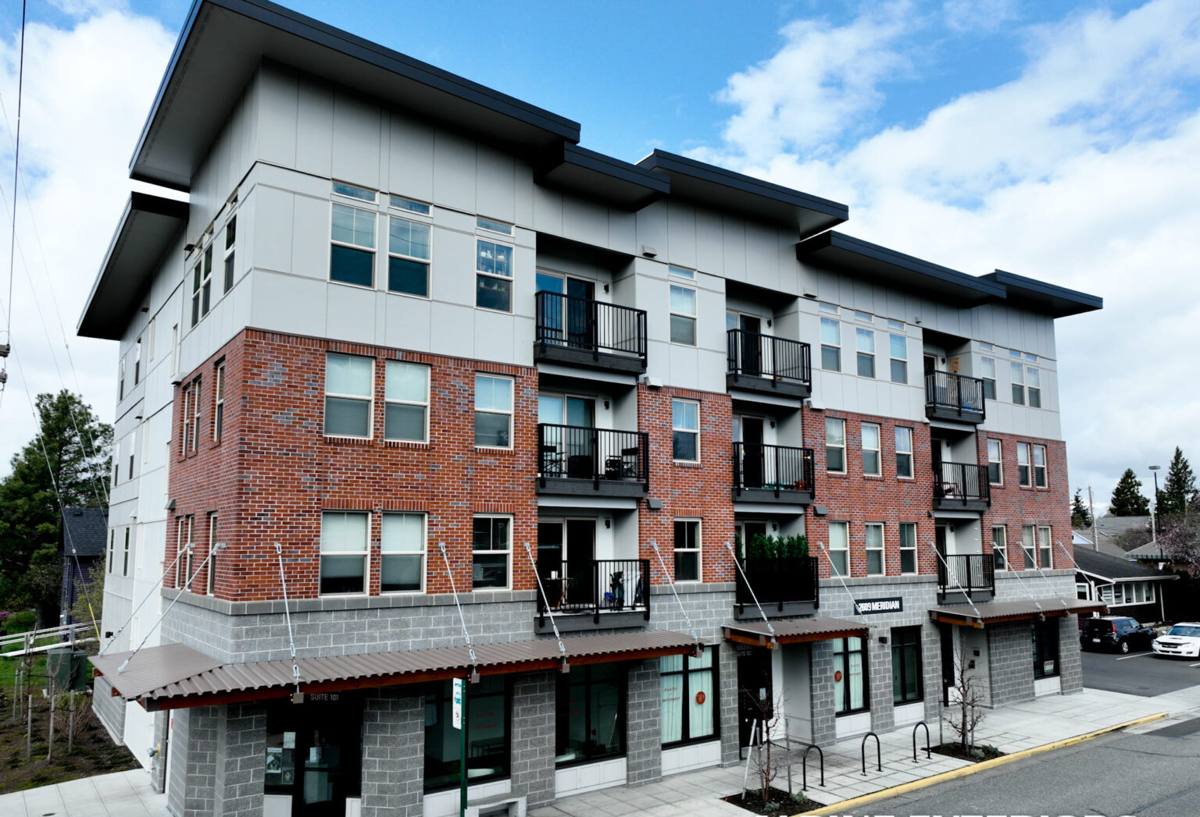
What Bellingham's Climate Does to Windows Over Time
Marine air carries moisture and salt, and both work against building materials over the years. It's a slow process, which is exactly why it sneaks up on homeowners — a window that looked fine two years ago can develop real problems without an obvious single event to blame.
Moisture and seal failure
Double-pane windows rely on a sealed gap between panes, usually filled with an inert gas, to insulate properly. When that seal breaks down — which happens faster in consistently humid, wet climates — moisture works its way between the panes. You'll see it as fogging or a cloudy haze that won't wipe away, because it's trapped inside the glass unit itself, not on the surface.
Wood rot and frame damage
Older homes in this area, and homes with wood-framed windows in particular, are vulnerable to rot where paint or sealant has worn thin. Driving rain finds any gap in caulking or flashing and pushes water in sideways, not just down — which is why window sills and the bottom corners of frames tend to be where rot starts first.
Moss and organic growth
Moss doesn't just grow on roofs here. It takes hold in window tracks, on sills, and in any recessed trim that stays damp and shaded, especially on the north and west-facing sides of a house. Left alone, it holds moisture against the frame and accelerates whatever rot or seal breakdown is already underway.
Signs Your Windows Need Attention
- Fogging or haze between the panes that doesn't clear when you clean the glass
- Drafts you can feel near the frame, especially during windy, rainy weather
- Windows that are difficult to open, close, or latch — often a sign of frame swelling or settling
- Soft or spongy wood around the sill or lower frame corners
- Visible moss, mildew, or dark staining in the tracks or trim
- A noticeable rise in heating costs with no other explanation
- Condensation forming on the interior glass regularly, even with normal household humidity
Any one of these on its own isn't necessarily an emergency. Several at once, or a combination that's gotten worse over a season, is usually a sign it's time for a real inspection rather than a patch job.
Repair or Replace: How We Make That Call
Not every window needs to come out. We look at the age of the unit, whether the frame material and structure are still sound, and whether the problem is isolated to hardware, weatherstripping, or caulking versus the sealed glass unit or frame itself.
When repair makes sense
Failed weatherstripping, worn balances or hardware, minor caulking gaps, and cosmetic wear are usually repairable without replacing the whole window. If the frame is solid and the glass unit itself is intact, repair is the honest recommendation — replacing a window that doesn't need it isn't good service, it's just a bigger invoice.
When replacement makes sense
Once the seal between panes has failed, or the frame has rot that's spread beyond a small, patchable section, repair stops being cost-effective. At that point a full replacement — done with proper flashing and sealing for this climate — is the more honest long-term answer, even though it's the bigger job upfront.
Choosing Window Materials for a Marine Climate
Material choice matters more here than in drier regions, because whatever you install is going to face sustained moisture exposure, not just occasional rain. Here's how the common options generally compare for a home in this area.
| Material | Moisture Behavior | Maintenance | Typical Fit |
|---|---|---|---|
| Vinyl | Doesn't rot or absorb water; performs consistently in wet climates | Low — occasional cleaning, no repainting | Most homes; strong value for the climate |
| Fiberglass | Very stable in moisture and temperature swings; holds paint well if a custom color is wanted | Low | Higher-end replacements, larger openings |
| Wood | Attractive but vulnerable to rot without diligent upkeep | High — regular painting/sealing required | Historic homes prioritizing original appearance |
| Wood-clad (wood interior, clad exterior) | Exterior cladding protects against weather while keeping a wood interior look | Moderate | Homes wanting the wood look with less exterior upkeep |
| Aluminum | Durable but conducts heat and cold readily; can contribute to condensation without thermal breaks | Low | Less common in residential replacements here |
We don't push a single product line for every job. The right call depends on your home's age, your budget, and how much exterior maintenance you actually want to keep up with — for most Happy Valley homes, that trade-off points toward vinyl or fiberglass, but it's a real conversation, not a script.
Why a Local Crew Makes a Real Difference
Window work isn't generic. A crew that only knows the spec sheet, without knowing how Whatcom County weather actually behaves against a house over a full year, tends to under-flash, under-seal, or skip the extra attention that driving rain and salt air demand. We're not guessing at what this climate does — we see the same failure patterns repeat across neighborhoods, year after year, and we build the install accordingly.
Being local also means faster response if something's not right after the install, straightforward scheduling around Bellingham's rainy stretches, and a crew that's still around next year if a question comes up — not a name that disappears after the invoice clears.
The Full Exterior Picture
Windows don't fail in isolation. The same moisture and moss pressure that wears on window frames is usually working on the siding, roofing, and any exterior decking at the same time. If we're already on-site for a window job, it's worth a quick look at the surrounding siding and trim, because a window replacement done without addressing rotted siding around it just moves the problem a few inches over.
We handle siding, roofing, windows, and decks as one connected trade, which means we can flag issues in one area while working on another instead of treating your home as a set of unrelated projects.
What Affects the Cost of a Window Project
| Factor | Why It Matters |
|---|---|
| Number and size of windows | More openings and larger units mean more material and labor |
| Material choice | Vinyl, fiberglass, wood, and wood-clad all carry different price points |
| Frame condition | Rot or structural damage found during removal adds repair work beyond a straight swap |
| Access and second-story work | Harder-to-reach windows take more time and safety setup |
| New construction vs. replacement | Replacement inserts into an existing opening; full-frame replacement involves more work but corrects existing flashing or rot issues |
We won't quote a per-window number here, because it genuinely depends on these factors — but we'll give you a straight, itemized number after we've actually looked at your windows in person.
Simple Upkeep That Extends Window Life
- Clean window tracks and sills a couple of times a year to keep moss and debris from holding moisture against the frame
- Check exterior caulking annually, especially before the wet season sets in, and re-seal any cracked or missing beads
- Watch north- and west-facing windows more closely — they tend to stay shaded and damp longer
- Address any soft or discolored wood around a frame right away rather than waiting for it to spread
- Keep gutters and downspouts clear so runoff isn't sheeting directly across window trim
If your Happy Valley home has windows showing any of the signs above, or you're just ready to stop fighting drafts and fogged glass every winter, we're happy to come take a look. We offer a free, no-pressure estimate — walk us through what you're seeing, and we'll give you an honest read on repair versus replacement and what it'll actually cost.