 Bellingham Window
 Exterior Work Built for South Hill Homes
South Hill sits up on the hillside above downtown Bellingham, which means the homes here catch weather a little differently than houses down closer to the water or tucked into the flatter neighborhoods. Elevation and exposure change how wind-driven rain hits a wall, how much direct sun a roof gets between storms, and how fast moss and algae take hold on north-facing siding. We've worked on homes throughout Whatcom County long enough to know that "Bellingham weather" isn't one thing — it plays out differently street by street, and South Hill has its own set of pressure points.
This page covers how we approach windows, siding, roofing, and decks for homes in this part of town, and what local conditions tend to do to each of those systems over time.
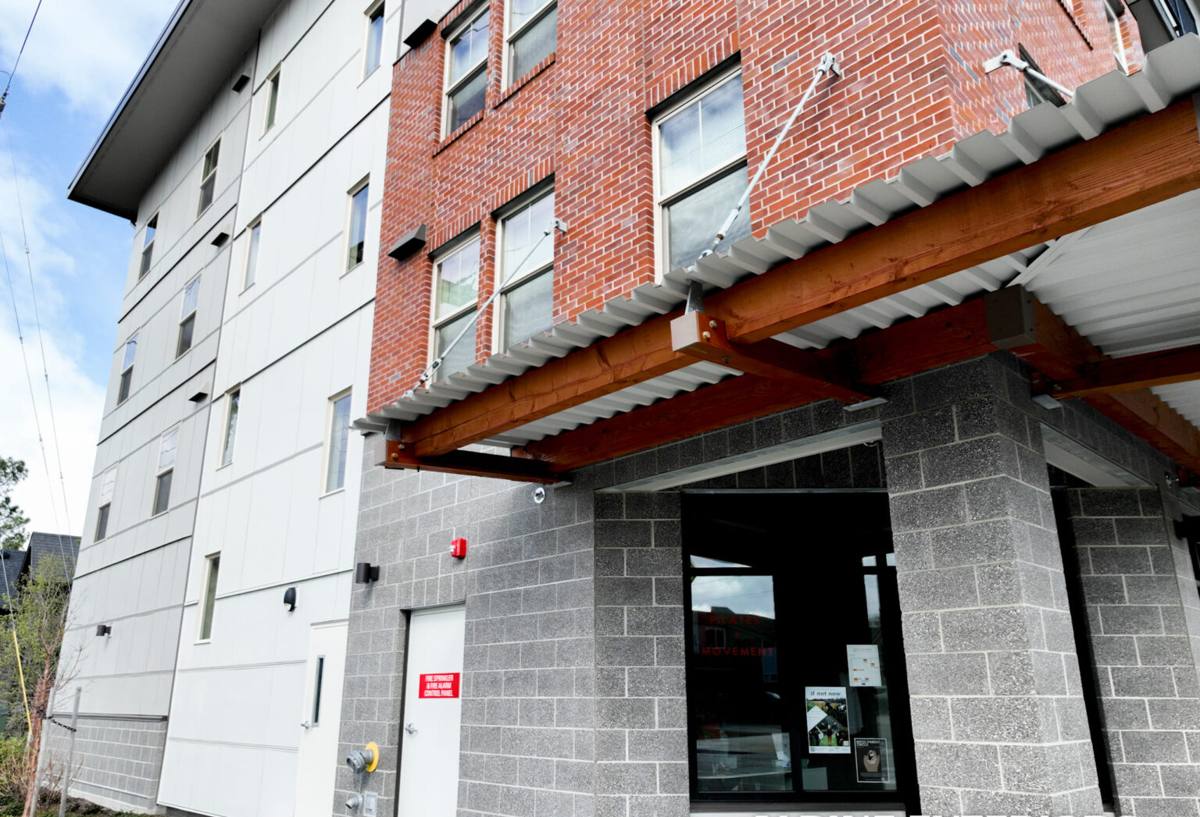
What South Hill's Climate Does to a House
Bellingham's marine climate brings a long stretch of wet months, salt-laden air off the bay, and enough shade and moisture in the wooded pockets of South Hill to keep moss and algae active for much of the year. A few specific things we watch for on hillside homes:
- Wind-driven rain: Elevated, less-sheltered lots can take rain sideways during winter storms, which pushes water into gaps around windows and siding laps that would stay dry on a more protected lot.
- Moss and algae growth: Shaded roof slopes and north-facing siding hold moisture longer, giving moss a foothold that can lift shingles and trap water against wood trim if it's not kept in check.
- Salt air exposure: Even a few miles inland from the water, salt in the air can accelerate corrosion on unprotected fasteners, hardware, and lower-grade metal flashing.
- Temperature swings: Cool nights and mild days mean constant expansion and contraction in caulking, seals, and trim joints, which is where small gaps start and water eventually finds its way in.
None of this is unusual for Whatcom County. It's just the baseline any exterior product or installation has to hold up against, year after year, not just on a sunny install day.
Windows: Where South Hill Homes Lose the Most
Windows are usually where we find the clearest signs of long-term weather wear on a South Hill home — soft trim, fogged double-pane glass, and drafts around the frame that homeowners often chalk up to "old age" when it's really moisture that's worked its way in over years.
Signs It's Time to Replace
- Fogging or condensation between panes (a failed seal, not something that can be cleaned out)
- Soft or discolored wood at the sill or frame corners
- Windows that are hard to open, close, or lock properly
- Noticeable drafts or a cold spot near the window even when it's fully closed
- Visible gaps or cracked caulking around the exterior frame
How We Handle Window Installation
Proper flashing and sealing at the window opening matters more than the window itself in a climate like ours. We integrate window flashing with the surrounding siding's water-resistive barrier so water is directed out and down, not trapped behind the frame. On a hillside lot with more wind exposure, that detail is the difference between a window that lasts decades and one that starts leaking in five years. We install a range of vinyl and fiberglass window lines suited to Pacific Northwest conditions and will walk through the honest trade-offs — cost, energy performance, maintenance — for your specific home rather than pushing one brand.
Siding: Standing Up to Rain and Moisture Cycling
Siding on South Hill homes takes a steady beating from rain cycling — wet, dry, wet again — over a long winter. The failure points we see most often are at butt joints, around penetrations (hose bibs, vents, light fixtures), and at the bottom courses near grade where splash-back keeps material damp longer than the rest of the wall.
Common Siding Materials We Work With
| Material | Moisture Behavior | Maintenance | Typical Lifespan |
|---|---|---|---|
| Fiber cement | Very stable, doesn't swell or rot | Repaint every 10-15 years | 30-50 years |
| Vinyl | Sheds water well, won't rot | Occasional wash, no paint | 20-40 years |
| Wood (cedar) | Needs consistent sealing/paint to manage moisture | Repaint/reseal every 5-8 years | Varies widely with upkeep |
| Engineered wood | Good stability when properly installed and sealed | Repaint every 8-12 years | 25-30 years |
We lean toward fiber cement and quality engineered products on hillside and shaded lots specifically because they hold up better to repeated wet-dry cycling with less upkeep. Wood siding can absolutely work here, but it's an honest commitment to a maintenance schedule — skip a repaint cycle in a wet, shaded spot and moisture damage moves faster than most homeowners expect.
Roofing: Moss Is the Real Enemy
A long moss season is one of the defining maintenance challenges for Bellingham roofs, and shaded South Hill lots with mature trees nearby are often the worst affected. Moss doesn't just look bad — it holds water against the roofing material, works its way under shingle edges, and can lift them enough to let water in during heavy rain.
What We Look At on a Roof Inspection
- Moss and algae growth patterns, especially on north- and west-facing slopes
- Flashing condition around chimneys, vents, and valleys — the most common leak points
- Granule loss on asphalt shingles, which signals the material is aging out
- Gutter and downspout function, since backed-up gutters send water where it shouldn't go
- Ventilation in the attic, which affects how much moisture builds up from the inside out
Zinc or copper strips near the ridge, combined with periodic gentle cleaning, go a long way toward slowing moss regrowth without damaging the roofing material — pressure washing shingles is a fast way to strip granules and shorten a roof's life, so we don't recommend it.
Decks: Built to Handle Standing Weather
Decks in the Bellingham area spend most of the year exposed to rain, and on South Hill lots with less direct sun to dry things out between storms, moisture sits on deck boards and ledger connections longer than in sunnier parts of town. The two things that matter most for deck longevity here are proper drainage at the ledger board (where the deck attaches to the house) and enough spacing between boards for water to shed instead of pooling.
We build with both traditional wood and composite decking depending on the homeowner's priorities. Wood costs less up front and can look great, but it needs regular sealing to hold up to our wet season. Composite costs more initially but sheds water without the same maintenance burden — a trade-off worth talking through based on how much upkeep you want to take on.
Why a Local Crew Matters for This Neighborhood
Exterior work in South Hill isn't identical to a job in a flatter, more sheltered part of Bellingham, and it's noticeably different from projects we handle elsewhere in Whatcom County. Slope, tree cover, and wind exposure change how a roof, wall, or deck needs to be detailed to hold up over time. A crew that works this specific area regularly gets a feel for which slopes hold moss the longest, which lots take the worst of the wind-driven rain, and where water tends to collect around foundations and low decks.
That local knowledge doesn't replace good installation practice — flashing, sealing, and proper material choices matter everywhere — but it does mean fewer surprises and a plan that's realistic for your specific lot rather than a generic approach.
What to Ask Before Hiring for Exterior Work
Whether you're getting windows, siding, roofing, or a deck done, a few questions tend to separate a solid contractor from one who'll leave you with problems down the road:
- Are you licensed and insured to work in Washington State, and can you provide proof?
- Who's actually on the crew doing the work — is it your employees or a rotating set of subcontractors?
- What's your plan for flashing and water management at this specific detail (window, wall penetration, ledger board, etc.)?
- What warranty applies to labor, separate from the manufacturer's product warranty?
- Can you walk me through the project timeline and what happens if weather delays the work?
A contractor who answers these clearly and specifically — not with vague reassurance — is usually one who's done this enough times to know exactly what's involved.
Getting Started
If you're noticing drafty windows, moss creeping across your roof, siding that's starting to look tired, or a deck that could use an honest assessment, we're happy to come take a look. We'll give you a straight read on what's actually needed versus what can wait, with no pressure either way. Fill out the form below for a free estimate on windows, siding, roofing, or deck work for your South Hill home.