 Bellingham Window
 Windows in York: Built for Bellingham's Coastal Climate
York is one of Bellingham's older, established neighborhoods, sitting close enough to the water and to downtown that its homes take the full brunt of what Whatcom County weather dishes out. Salt-laden air off Bellingham Bay, driving rain that comes in sideways more often than not, and a moss season that can stretch from October well into spring all work against window components that weren't built to handle sustained moisture exposure. If you own a home in York, you've probably already noticed at least one window that sticks, fogs, or lets in a draft you can feel from across the room.
Windows are one of the first places a house tells you it's struggling with the climate. Failed seals, soft wood sashes, and corroded hardware don't happen because a window is old for old's sake — they happen because moisture found a way in and had nowhere to go. Our job is to fix that, and to install replacement windows that are actually suited to a marine environment rather than windows designed for a drier climate and shipped here anyway.
What We See in York's Housing Stock
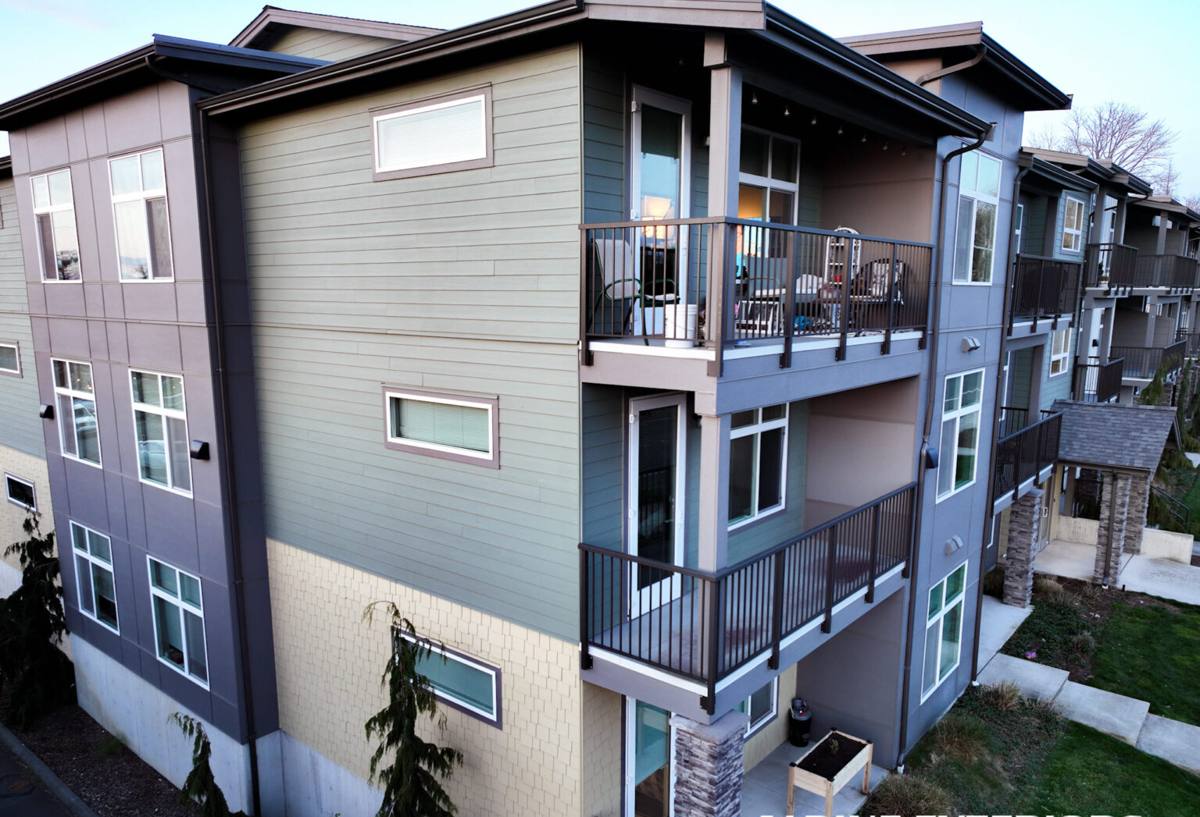
York has a real mix of older bungalows and cottages alongside newer infill construction, which means we're regularly working on two very different generations of windows in the same few blocks. The older homes often still have original wood-sash windows, sometimes with storm windows added later, sometimes with vinyl replacements from a previous owner that were installed without much attention to flashing or drainage. Newer homes tend to have vinyl or fiberglass units that are holding up better, but even good windows need proper caulking and flashing details to keep Bellingham's rain out over the long run.
Because York sits inside the city, homes here also deal with more shade from mature trees and neighboring structures than you'd find in a newer subdivision. Less direct sun means slower drying after a storm, which means wood trim, sills, and lower sash rails stay damp longer — a small detail that adds up to real deterioration over a decade or two.
Signs Your Windows Are Losing the Fight
- Fogging or a visible haze between the panes of a double-pane window (seal failure, not cleanable)
- Sashes that are hard to open, or that no longer stay up on their own
- Soft or spongy wood at the sill or bottom corners of the frame
- Visible moss or dark streaking on the exterior trim around the window
- A noticeable draft near the window even when it's fully latched
- Condensation forming on the inside of the glass during cold snaps
Why Coastal Moisture Is Harder on Windows Than People Expect
It's not just rainfall totals. Bellingham gets a steady, low-intensity wetness for much of the year rather than short, heavy storms that come and go — and that kind of prolonged dampness is what actually breaks windows down. Wood swells and contracts repeatedly, glazing putty and caulk lose their flexibility faster than they would in a drier climate, and any gap in flashing becomes a slow, ongoing leak point rather than a one-time event. Add in salt air near the water, which accelerates corrosion on hardware, hinges, and metal window components, and you've got a combination that shortens the useful life of poorly detailed windows by years.
Moss deserves its own mention. It doesn't just grow on roofs — it takes hold on window sills, in the corners of frames, and in any spot where debris collects and stays wet. Left alone, moss holds moisture directly against wood and painted surfaces, which is exactly the condition that leads to rot underneath a coat of paint that still looks fine from a few feet away.
Our Window Replacement Process
We start with an honest look at what's actually happening at each window — not just the glass, but the framing, sill, and how water has been managing (or failing) to drain away from the opening. A lot of window problems in this area are really flashing and drainage problems wearing a window's clothes, and replacing the glass unit without fixing the underlying detail just buys you a few more years before the same issue comes back.
- On-site assessment of each window, including exterior trim, flashing, and any signs of wood rot or moisture intrusion
- Accurate measurement and product selection based on the home's age, exposure, and your budget
- Removal of the old unit with attention to what's underneath, not just what's visible
- Correct flashing and sealing so water is shed away from the opening, not trapped behind it
- Installation of the new window plumb, level, and properly insulated around the frame
- Final check of operation, weatherstripping, and exterior finish work
Choosing the Right Window Material for This Area
There's no single "best" window material — the right choice depends on your home's age, your budget, and how much upkeep you want to take on. Here's how the common options stack up for a marine climate like Bellingham's:
| Material | Moisture Performance | Maintenance | Typical Fit |
|---|---|---|---|
| Vinyl | Good — won't rot, handles moisture well | Low | Most budgets; strong value for full-home replacement |
| Fiberglass | Excellent — very stable in temperature and moisture swings | Low | Higher upfront cost; long service life |
| Wood | Requires diligent upkeep to avoid rot in this climate | High | Historic character homes where owners commit to maintenance |
| Wood-clad (wood interior, metal/composite exterior) | Good if flashing detail is correct | Moderate | Homes wanting a wood interior look without full wood exposure |
For a lot of York homes, especially the older character homes, we find wood-clad or well-detailed vinyl units give the best balance — they respect the look of the house without signing you up for the sanding-and-repainting cycle that solid wood windows demand in a climate this wet. When solid wood is the right call for historic accuracy, we're upfront that it comes with a real, ongoing maintenance commitment — that's a trade-off we lay out honestly rather than talk you out of if it's what you want.
Energy Efficiency and Comfort
Beyond keeping water out, windows are a major factor in how comfortable and efficient a home feels, especially through Bellingham's damp, cool stretches. Modern replacement windows with low-E coatings and argon or krypton gas fills cut down on heat loss significantly compared to older single-pane or early double-pane units. Just as important in this climate is reducing interior condensation — a well-insulated, properly installed window keeps the interior glass surface warmer, which means less moisture buildup on cold mornings and less risk of that moisture migrating into surrounding trim and drywall.
Repair or Replace?
Not every window needs full replacement, and we won't push a replacement where a repair genuinely solves the problem. The right call usually comes down to a few honest questions:
- Is the seal on a double-pane unit failed (fogging), or is the frame and hardware still solid? Sometimes only the glass unit needs replacing.
- Is the wood frame soft or rotted, or just in need of paint and re-caulking?
- Is the window single-pane original glass, where efficiency and comfort gains from replacement are significant?
- Are you planning to stay in the home long enough for a full replacement to pay off in comfort and maintenance savings?
We'll tell you straight if a repair will hold for a reasonable amount of time, or if you're better off replacing now rather than paying for a fix that just delays the inevitable by a year or two.
Why a Local Crew Matters in York
Window installation in a marine climate isn't the same job as window installation in a dry inland region, and it shows in the details — how flashing is lapped, how a sill pan is built, what sealants actually hold up to constant damp-dry cycling. A crew that works Whatcom County homes every week knows which details matter here and which manufacturer specs need extra attention given our exposure. We're not guessing at what "should" work in this climate — we're applying what we've seen actually hold up, and fixing what we've seen fail.
Being local also means we're around after the job is done. If a window needs adjustment after the first real winter storm, or you have a question about how to care for a wood-clad frame through moss season, you're not calling a number that connects to a different state.
Windows Are Part of a Bigger Envelope
Windows don't work in isolation — they're one piece of your home's overall defense against Bellingham's weather, alongside your siding, roofing, and any deck or entry areas exposed to the same rain and moss conditions. We handle all of these, which matters most where they meet: window flashing that ties into siding, trim that has to shed water correctly where it meets the roofline, and entry doors or deck areas that face the same salt air and driving rain your windows do. Fixing a window in isolation while ignoring a siding or flashing problem next to it just moves the water somewhere else.
If you're noticing drafts, fogged glass, or soft trim around your windows, we're happy to take a look and give you a straight answer on repair versus replacement — no pressure, no upsell. Request a free estimate using the form below and we'll set up a time to walk through your home's windows in person.