 Bellingham Window
 Siding Replacement Built for Lynden's Climate
Lynden sits inland from Bellingham Bay but still lives inside the same weather pattern that defines exterior work across Whatcom County: long stretches of driving rain off the Pacific, salt-laden air pulled in from the Strait of Georgia, and a moss season that can run from October through May in a wet year. Farmland fog settles into low areas overnight and burns off slowly, keeping north- and west-facing walls damp well into the morning. Siding here isn't just cosmetic — it's the one layer standing between that moisture cycle and your home's framing, sheathing, and insulation.
When siding starts to fail in Lynden, it's rarely one dramatic event. It's cumulative: years of moisture wicking into seams, coatings chalking and fading under UV and salt exposure, moss and algae taking hold in shaded corners, and small gaps at trim and penetrations slowly letting water behind the cladding. By the time paint is peeling or boards are visibly cupped, there's a good chance moisture has already reached the wall assembly underneath.
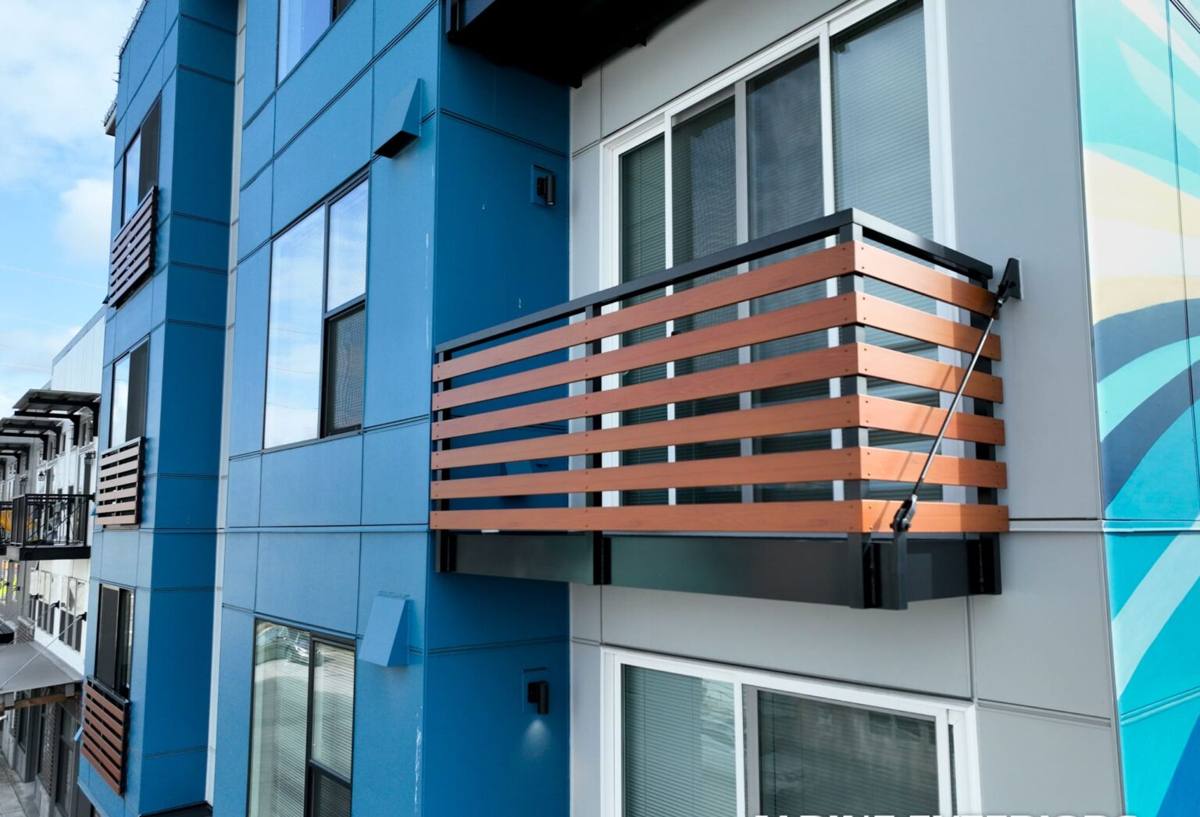
Signs a Lynden Home Needs Siding Replacement, Not Another Repaint
Homeowners often start with a repaint quote and end up needing full replacement once a contractor gets a close look. Here's how to tell which situation you're in.
- Boards that feel soft, spongy, or crumble at the edges when pressed
- Paint that keeps failing in the same spots within a year or two of repainting
- Visible cupping, bowing, or separation at board seams
- Persistent moss or dark streaking that returns quickly after cleaning
- Gaps opening up around window and door trim
- Musty smell or discoloration on interior walls that back up to exterior siding
- Siding older than 20-25 years, especially wood or older composite products
If you're seeing one or two of these, a repaint or targeted repair might still buy time. If you're seeing several, or if probing reveals soft sheathing underneath, replacement is almost always the more honest recommendation — patching over compromised material just delays a bigger repair.
Why We Install Only James Hardie Fiber Cement
We get asked why we don't offer vinyl, LP SmartSide, or cedar as alternatives. The short answer is that we've standardized on one product system because it performs consistently in this climate when installed correctly, and we'd rather be excellent at one thing than mediocre across four.
What matters for a Lynden home specifically
James Hardie fiber cement is non-combustible, which matters given Whatcom County's dry-season wildfire smoke and occasional brush fire risk even this far north. It doesn't rot, and it isn't a food source for the moisture-and-mold cycle that wood siding is prone to in our climate. The HZ5 product line is engineered for cold, wet climates like ours, with better resistance to moisture-related cracking than the standard HZ10 formulation sold in warmer regions. The factory-applied ColorPlus finish is baked on under controlled conditions, which holds color and resists the chalking and fading you get from field-applied paint exposed to UV and salt air year after year.
That's not a knock on other products across the board — vinyl is inexpensive and low-maintenance in the right setting, cedar has real aesthetic appeal, LP SmartSide has its market. But each comes with a trade-off we're not willing to install and then have to explain later: vinyl can warp and become brittle with age and doesn't hold up as well against wind-driven debris; engineered wood products remain more moisture-sensitive at cut edges and require diligent field sealing; cedar demands an ongoing maintenance commitment most homeowners don't keep up with. We'd rather install one product we can stand behind fully than offer four and let the homeowner absorb the risk of the wrong choice.
What a Correct Siding Replacement Involves
Replacing siding is as much about what's underneath as what goes on top. A rushed job that just swaps old boards for new ones without addressing the wall assembly is how homes end up with the same problems five years later.
The full scope, done right
- Removal and inspection — old siding comes off and the sheathing gets inspected for soft spots, rot, or existing moisture damage before anything new goes up.
- Sheathing repair — any compromised sheathing is cut out and replaced, not covered over.
- Weather-resistive barrier — a properly lapped and taped house wrap goes on, with special attention to seams and penetrations, since this is the layer that manages bulk water that gets past the cladding.
- Flashing at every penetration — windows, doors, vents, and hose bibs all get flashed so water sheds outward instead of tracking behind the wall.
- Rainscreen or furring where appropriate — a drainage gap behind the siding lets any incidental moisture dry out instead of sitting against the cladding, which matters more in a climate that stays damp for months at a stretch.
- James Hardie installation to manufacturer spec — correct fastener type and spacing, proper board clearance from grade and roof lines, and factory-recommended gapping at joints.
- Trim, caulking, and touch-up paint at cut edges and fastener heads to preserve the factory finish and warranty coverage.
Skipping any of these steps is usually invisible on install day and expensive to discover later. The weather-resistive barrier and flashing details in particular are where most siding failures actually originate — not from the siding material itself.
Cost Factors for a Lynden Siding Project
Every home is different, but the variables that move a siding replacement estimate up or down are consistent. We'll always give you a real number after walking the property — this is meant to help you understand what's driving the range.
| Factor | Why It Matters |
|---|---|
| Home size and wall complexity | More corners, dormers, and roof intersections mean more flashing detail and labor time |
| Extent of sheathing damage | Hidden rot found during tear-off adds material and labor not visible in an initial walkaround |
| Siding profile and accessories | Lap width, trim style, and corner details affect material cost and install time |
| Access and site conditions | Tight lots, landscaping, or multi-story walls affect scaffolding and staging needs |
| Existing siding removal | Layer count and material type (some older homes have siding over siding) change disposal scope |
| Color and finish selection | Factory ColorPlus finishes vary in cost by line and color depth |
Our Process for Lynden Projects
We work throughout Whatcom County, and Lynden jobs follow the same process as anywhere else we serve: an in-person walkaround and moisture check, a written estimate that spells out scope rather than a vague lump sum, a defined install timeline, and daily site cleanup so the property is livable throughout the project. Because we only install one product system, our crews aren't relearning install specs for four different manufacturers — the details on flashing, fastening, and finish work stay consistent from house to house, which is where quality actually comes from.
We also don't push replacement when repair is the honest call. Part of the initial walkaround is telling you plainly if your existing siding has a few good years left, or if a targeted repair on one wall makes more sense than a full tear-off.
Timing a Siding Project Around Whatcom County Weather
Fiber cement can be installed across a wider weather window than some materials, but tear-off exposes sheathing to the elements until the new weather-resistive barrier is in place. We plan Lynden projects around dry-window scheduling as much as the maritime climate allows, and we sequence work to minimize how long any section of wall sits open. Spring through early fall tends to offer the most predictable stretches, though we work through the wetter months with proper staging and weather protection when a project's timeline calls for it.
What to Ask Before Hiring a Siding Contractor in Lynden
Whatcom County has plenty of contractors who'll quote siding work. A few questions separate a crew that does this correctly from one that doesn't.
- Do you inspect and repair sheathing as part of the scope, or just install over what's there?
- What weather-resistive barrier and flashing details do you use, specifically?
- Is a rainscreen or drainage gap included, and when do you recommend it?
- Are you a certified installer for the product you're proposing, and what does that certification actually require?
- What's covered under warranty — material only, or labor too — and for how long?
- Can you walk me through your fastening and gapping approach before work starts?
A contractor who can answer these in detail, unprompted, is telling you something about how they actually build. Vague answers on flashing and moisture management are the biggest red flag in this climate specifically.
Get a Local Estimate
If your Lynden home's siding is showing its age, or you just want an honest read on whether repair or replacement makes more sense, we're happy to walk the property and give you a straight answer. The estimate is free, there's no pressure attached, and you'll get a written scope you can actually compare against other quotes. Use the form below to get started.