 Bellingham Window
 Custom Windows Built for the Barkley Area
Barkley sits close enough to Bellingham Bay and the surrounding wetlands that its homes take on a specific kind of weathering — salt-tinged air moving in off the water, long stretches of driving rain through fall and winter, and a moss season that can run most of the year on north-facing walls and rooflines. Windows here don't fail because they're old in the way a window in a dry climate fails. They fail because moisture finds a way in, sits there, and starts working on wood, frame seals, and hardware long before anyone notices from inside the house.
A custom window job in this neighborhood isn't just about picking a style and a color. It's about choosing materials and installation details that hold up to what this specific stretch of Whatcom County throws at a house, year after year.
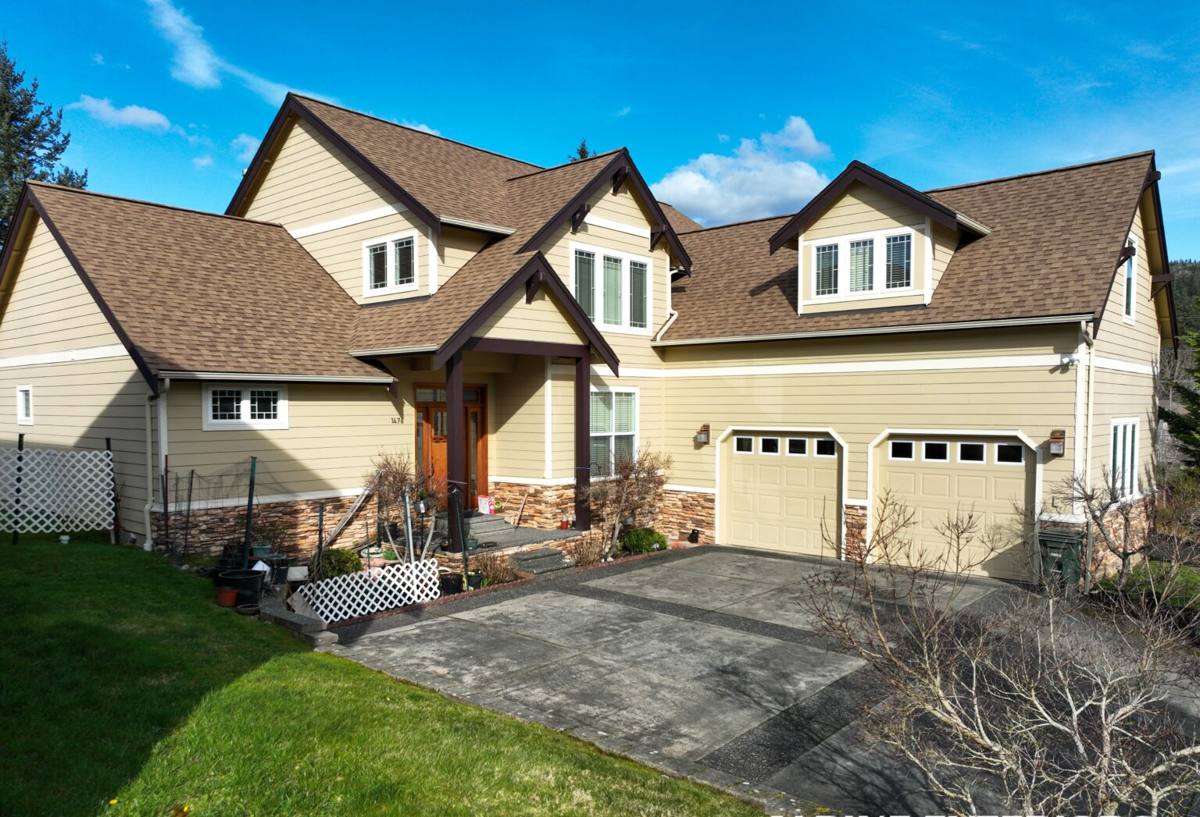
What Bellingham's Climate Does to Windows Over Time
Driving Rain and Wind-Driven Moisture
Bellingham doesn't just get rain — it gets rain pushed sideways by wind coming off the Strait and the bay. That matters for windows because wind-driven rain doesn't fall straight down onto a sill where it can shed away easily. It gets forced up under trim, into gaps around the frame, and into any flashing detail that was installed with shortcuts. A window that would be fine in a calmer climate can leak in Bellingham simply because the installation didn't account for horizontal water pressure.
Salt Air and Metal Components
Proximity to Bellingham Bay means a low but steady level of salt in the air, especially on days with onshore wind. Salt accelerates corrosion on hardware, screws, and any exposed metal flashing or fasteners that aren't rated for it. Over years, this shows up as stiff or failing locks, streaking on frames, and fasteners that give out sooner than they should.
Moss, Mildew, and Constant Dampness
Whatcom County's mild, wet climate is exactly what moss and mildew need to thrive. On windows, that shows up as green or black growth building up in corners, along sills, and in any spot where water sits instead of draining. Left alone, that moisture retention doesn't stay cosmetic — it works into wood trim, breaks down caulking, and can eventually reach the frame itself.
What a Correct Custom Window Installation Actually Involves
"Custom" doesn't just mean a nonstandard size or shape, though that's part of it in older Barkley homes with openings that don't match modern standard dimensions. It means the whole installation is built around the specific opening, the specific wall assembly, and the specific exposure that window will face.
Flashing and Moisture Management
This is the part of the job that decides whether a window leaks in five years or lasts thirty. Proper flashing means water that gets behind the siding or trim is directed back out and away from the framing, not trapped where it can rot sheathing. In a climate with as much driving rain as this one, sill pan flashing and correctly lapped house wrap around the opening aren't optional extras — they're the difference between a window that sheds water and one that slowly invites it in.
Frame and Sash Sealing
Every seam between the new window unit and the rough opening needs to be sealed with the right materials in the right order — backer rod and sealant where appropriate, low-expansion foam where it won't bow the frame, and flashing tape over anything that could be a water path. Skipping steps here is invisible on install day and expensive two winters later.
Glazing and Energy Performance
Most custom window packages for this area use dual-pane glass with a Low-E coating and an inert gas fill (typically argon) between the panes. That combination cuts heat loss through the glass and helps keep interior surfaces warmer, which matters for comfort and for reducing condensation on the inside of the glass during cold, damp stretches.
Choosing Materials for Barkley's Microclimate
There's no single "best" window material — there's a best material for a given house, exposure, and budget. Here's how the common options hold up under Bellingham's specific conditions:
| Material | Moisture Behavior | Maintenance | Best Fit |
|---|---|---|---|
| Vinyl | Won't rot or corrode; performs well in wet, salt-air conditions | Low — occasional cleaning | Most Barkley homes prioritizing value and low upkeep |
| Fiberglass | Excellent stability, resists moisture and temperature swings | Low | Homes wanting a higher-end feel with minimal long-term maintenance |
| Wood-clad | Interior wood needs protection from condensation and humidity | Higher — interior finish upkeep | Homes prioritizing a traditional wood interior look |
| Aluminum | Conducts cold and can corrode faster in salt air without proper coatings | Moderate | Specific architectural or commercial-style applications only |
For most Barkley-area replacements, we lean toward vinyl or fiberglass frames precisely because they don't give salt air and constant dampness anything to work on. Where a homeowner wants a wood interior for the look, we make sure the interior finish and any exposed sills are protected and maintained — otherwise that's the first place moisture damage shows up.
Our Process, Start to Finish
- On-site assessment. We look at existing window condition, framing, drainage paths, and exposure direction for every opening — a north wall facing prevailing wind gets treated differently than a sheltered south wall.
- Measurement and product selection. Openings get measured precisely, and we walk through material, glazing, and style options based on that specific window's exposure and the home's overall look.
- Removal and opening inspection. Once the old window is out, we check the framing and sheathing underneath for any hidden moisture damage before anything new goes in — this is often where old leaks that were never visible from inside finally get found and fixed.
- Flashing and installation. Sill pan flashing, house wrap integration, and frame sealing are done in the correct sequence so water is directed out, not trapped in.
- Interior and exterior finish work. Trim, caulking, and hardware are finished and tested for smooth operation and a tight seal.
- Final walkthrough. We check every window with the homeowner before calling the job done.
Common Mistakes We See in Older Barkley Window Replacements
Some of the callbacks we get in this area trace back to the same handful of shortcuts. Watch for these signs if you're evaluating your current windows or a past installation:
- Caulk used as the only defense against water intrusion, with no flashing behind it
- Moss or dark staining building up in the same corner every year — usually a sign water is pooling instead of draining
- Foggy or hazy glass between panes, meaning the seal has failed and gas fill has escaped
- Stiff, corroded, or hard-to-operate locks and hardware from unprotected metal in salt air
- Soft or discolored trim and sills, which usually means moisture has already reached the wood
- Drafts felt near the frame even when the window is fully closed and locked
Cost Factors for Custom Windows in This Area
Every home is different, but a few factors consistently move the price up or down for Barkley-area jobs:
| Factor | Why It Matters |
|---|---|
| Frame material | Vinyl is typically the most budget-friendly; fiberglass and wood-clad run higher |
| Opening condition | Rot or hidden moisture damage found during removal adds repair scope before the new window goes in |
| Window size and configuration | Larger units, custom shapes, and multi-panel configurations cost more than standard single units |
| Glazing package | Upgraded Low-E coatings or triple-pane glass add cost but improve comfort and efficiency |
| Exposure and flashing complexity | Openings facing prevailing wind and rain may need more extensive flashing detail |
As a general rule, custom window replacement runs from a few hundred dollars per window on the low end for standard vinyl units, up into the low thousands per window for larger custom sizes, premium materials, or upgraded glazing. The only way to get a real number is a look at your specific windows and openings — broad averages don't account for what's actually happening at your house.
Why a Crew That Already Works Barkley Matters
A contractor who only occasionally works in this part of Whatcom County has to relearn the local conditions on every job — how much flashing detail a given exposure really needs, which materials hold up and which ones don't, what the permitting expectations are with the City of Bellingham. A crew that already works in and around Barkley has that knowledge built in. We've seen how driving rain moves across these lots, how salt air ages hardware over a few winters, and where moss tends to build up on homes with similar orientation and roof lines. That means fewer surprises, fewer callbacks, and a job that's built for this specific place rather than a generic install.
Get a Local, No-Pressure Estimate
If your windows are showing their age — fogging glass, stiff hardware, drafts, or moss buildup that keeps coming back — it's worth having a local crew take a look before small issues turn into framing repairs. Use the form below to request a free estimate, and we'll walk your home's specific exposure and condition with you, no pressure and no obligation.