 Bellingham Window
 Why South Hill's Exposure Changes What a Window Installation Needs to Do
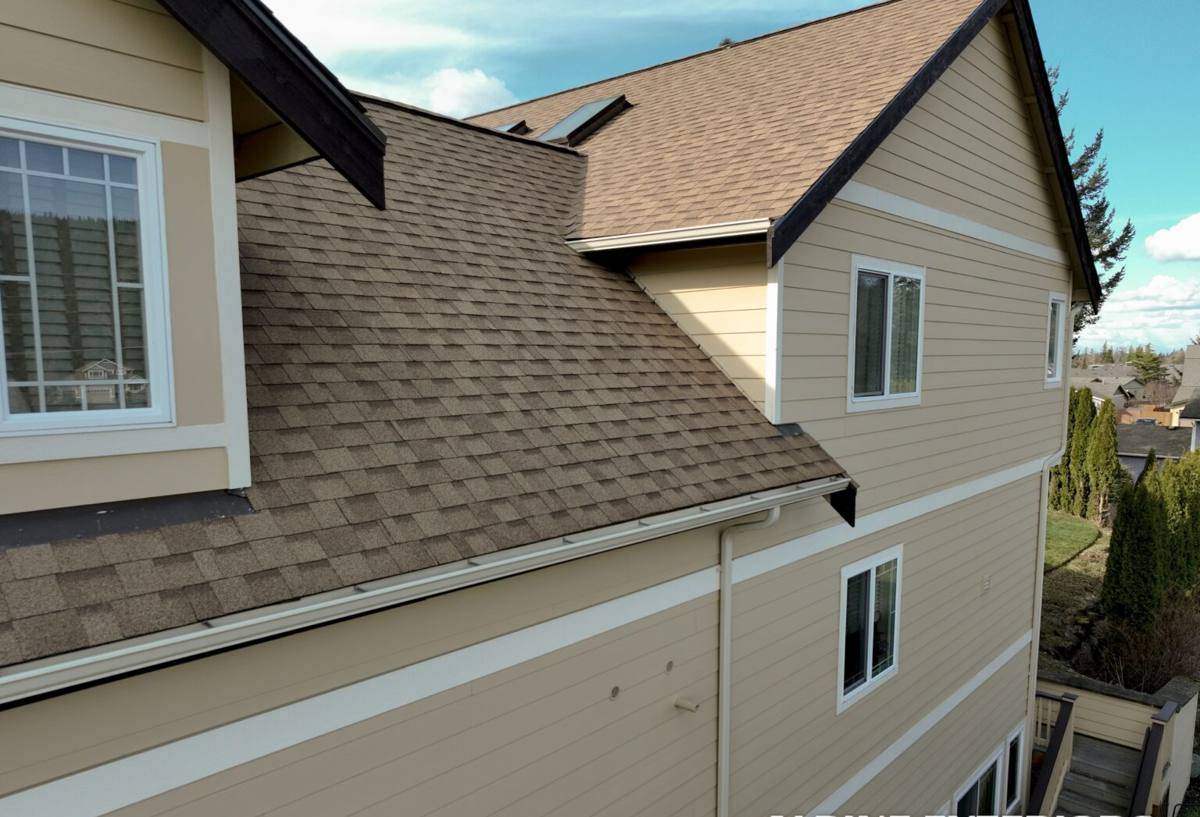
South Hill sits up and out from the flatter parts of Bellingham, and that elevation comes with a trade-off. The views are better, but the exposure is worse. Homes up here catch more direct wind off Bellingham Bay, take driving rain at angles that flatter lots rarely see, and sit under tree cover that keeps siding, trim, and window sills damp longer after a storm passes. None of that is unique to any one house on the hill — it's a function of where the neighborhood sits relative to the water and the weather that rolls in off it.
For window installation, that means the margin for error is smaller than it would be on a sheltered lot. A window that's slightly out of level, under-flashed, or sealed with the wrong material might go unnoticed for years in a low-exposure spot. On South Hill, water finds those weaknesses faster, and once it's behind the siding or trim, it's already doing damage you can't see from inside the house.
What Whatcom County's Climate Does to Windows Over Time
Bellingham's marine climate is mild, but it's relentless. Salt-laden air off the bay accelerates corrosion on hardware, screws, and lower-grade metal components. Sustained damp weather stresses seals and caulking well before their rated lifespan is up. And the long stretch of overcast, wet months each year — what most of us just call moss season — keeps north- and shade-facing window surfaces wet for days at a time, which is exactly the environment moss, algae, and wood rot need to take hold.
On older homes, especially the wood-frame construction common throughout South Hill, this shows up as soft sills, peeling paint at the corners of window trim, and interior condensation that owners often blame on the window itself when the real cause is a failed seal or missing flashing behind it. New windows dropped into an old opening without addressing that underlying moisture path just repeat the same failure in a few years.
Where We See the Most Damage on Hillside Homes
- Sills and lower corners on windows facing the prevailing wind and rain direction
- Wood trim and casing on shaded, north-facing walls where moss and algae take hold first
- Older single-pane or early double-pane units with failed seals and visible fogging between the panes
- Windows near rooflines or under trees where debris traps moisture against the frame
- Original wood windows that were never properly flashed when the home was built
What a Correct Window Installation Actually Involves
A window installation is more than fitting a new unit into an existing hole. Done right, it's a system of layered protection, and skipping any layer is where problems start.
The Steps That Actually Matter
- Opening inspection. Before anything goes in, we check the existing framing, sheathing, and sill for rot or soft spots. A new window installed over damaged wood just hides a bigger problem.
- Flashing, not just caulk. Proper flashing tape and pan flashing direct water away from the frame and out, rather than trapping it behind the siding. Caulk alone is not a substitute for this — it's a backup, not the primary defense.
- Correct shimming and leveling. A window that's out of square binds, doesn't seal fully when closed, and stresses the frame over time.
- Insulation and air-sealing around the frame. Gaps left around the perimeter cause drafts and give moist interior air a path to condense inside the wall cavity.
- Interior and exterior trim work. Trim isn't just cosmetic — it's part of the weather seal and needs to be reinstalled or replaced correctly, sealed at the right joints.
- Final weatherproofing check. We check operation, seal integrity, and drainage before calling the job done.
Any one of these steps done poorly can undo the benefit of an otherwise good window. This is where the difference between a rushed installation and a correct one shows up — not on day one, but two or three wet seasons later.
Signs Your South Hill Home's Windows Need Attention
Most homeowners don't think about their windows until something is visibly wrong, but the earlier signs are usually smaller and easier to fix before they become a full replacement.
- Fogging or moisture trapped between panes of a double-pane window
- Drafts you can feel near the frame even when the window is fully closed
- Paint that's peeling, bubbling, or cracking at the corners of window trim
- Soft or spongy wood when you press on the sill or lower frame
- Visible moss, algae, or black staining on the sill or trim, especially on shaded walls
- Windows that are difficult to open, close, or lock — often a sign of a frame that's shifted or swollen
- Rising heating bills without a clear explanation
- Condensation forming on interior walls near the window rather than just the glass
Choosing Materials for This Microclimate
There's no single "best" window material for every home — it depends on the home's age, exposure, and how much upkeep the owner wants to take on. What we won't do is install a product we know will create a maintenance headache in a wet, salt-air climate without being upfront about that trade-off first.
| Material | How It Handles This Climate | Maintenance | Best Fit |
|---|---|---|---|
| Vinyl | Strong moisture and corrosion resistance, no painting needed | Low — occasional cleaning | Most homes prioritizing value and low upkeep |
| Fiberglass | Excellent stability in temperature and moisture swings, holds paint well if color changes are wanted later | Low to moderate | Homes wanting a wood-look profile with less upkeep than real wood |
| Wood | Classic look, but needs consistent sealing and paint maintenance to resist rot in a wet climate | High — regular inspection and repainting | Historic or period-detail homes where appearance is the priority |
| Wood-clad | Exterior-protected wood interior; performs well if flashing and sealing are done correctly | Moderate | Owners who want a wood interior look with better exterior protection |
Hardware matters as much as frame material here. Corrosion-resistant fasteners and hardware are worth the small upcharge on a hillside home exposed to salt air — cheap hardware is one of the first things to fail, and when it does, the window stops sealing properly long before the frame itself wears out.
Retrofit vs. New Construction Openings
A lot of South Hill's housing stock is older, which means most window jobs here are retrofits into existing openings rather than new construction installs. The two require different approaches.
Retrofit installation works within the existing frame and exterior finish, which is less invasive and usually faster, but it depends entirely on the condition of what's already there. If the original flashing was done poorly or is missing altogether — common in homes built before modern flashing standards were typical — a retrofit can end up sealing a moisture problem inside the wall instead of fixing it.
Full-frame, or "new construction," installation removes the window down to the rough opening, exposing the sheathing and framing so we can properly flash and inspect for hidden damage before the new unit goes in. It costs more and takes longer, but on a home with any history of leaks, soft trim, or visible rot, it's usually the honest recommendation rather than the fast one.
We'll tell you plainly which approach your home needs and why — not just quote whichever is easier to sell.
What Affects the Cost of a Window Installation
| Factor | Why It Matters |
|---|---|
| Retrofit vs. full-frame | Full-frame work involves more labor, materials, and often siding or trim repair |
| Window material and glass package | Vinyl, fiberglass, and wood-clad units carry different material costs; upgraded Low-E or gas-fill glass adds cost but improves performance |
| Existing damage | Rot or soft framing discovered during removal adds repair work before the new window can go in |
| Number and size of openings | Larger units and multi-window jobs affect labor time and material needs |
| Access and height | Second-story or hard-to-access windows on hillside lots can add setup and safety requirements |
| Trim and exterior finish work | Matching existing trim profiles or repainting/re-siding around the new window adds to the scope |
We won't give a firm number without seeing the home, but we'll walk you through which of these factors apply to your project so the estimate makes sense rather than just showing up as a total.
Our Process, Start to Finish
- On-site assessment. We look at every opening being replaced, check for hidden moisture or rot, and note the home's specific exposure to wind and rain.
- Honest recommendation. We tell you whether retrofit or full-frame installation makes sense, and why, along with material options suited to your home and budget.
- Written estimate. Clear scope, materials, and pricing before any work starts.
- Installation. Proper removal, framing inspection, flashing, leveling, insulation, and trim work — done to hold up to this climate, not just to look finished.
- Final walkthrough. We check operation and seals with you before we consider the job done.
Why It Matters to Hire a Crew That Already Works South Hill
Window installation isn't a one-size-fits-all job, and a crew that mostly works flatter, more sheltered parts of Whatcom County isn't necessarily thinking about wind-driven rain, hillside drainage patterns, or the moss and moisture issues that show up on shaded, elevated lots. A crew that regularly works South Hill homes knows to check the sill and lower frame first, knows which older flashing details tend to fail, and doesn't treat a wet climate like an afterthought.
That familiarity shows up in small decisions during the job — how flashing is layered, which sealants actually hold up to sustained damp weather, where to expect hidden rot on a house of a certain age. It's the difference between a window that looks right on installation day and one that's still performing correctly five wet seasons from now.
If you're noticing drafts, fogged glass, soft trim, or just want a straight answer on whether your windows need repair or full replacement, we're happy to take a look. Reach out for a free, no-pressure estimate using the form below.