 Bellingham Window
 Building a Deck That Actually Holds Up in Birch Bay
Birch Bay sits right on the water, and that changes what a deck has to deal with compared to one built a few miles inland in Bellingham or Ferndale. The salt-laden air coming off the bay, the driving rain that blows through in fall and winter, and a long stretch of damp, low-light months that let moss take hold all put extra stress on wood, hardware, and finishes. A deck built to a generic spec might look fine the first year and start showing problems by the third.
We build custom decks throughout Whatcom County, and Birch Bay properties get a different set of material and detailing decisions than a deck going in on a drier, more sheltered inland lot. This page covers what that actually means in practice: material choices, fasteners, drainage, and the details that matter most once a deck has to survive its first few Birch Bay winters, not just look good on installation day.
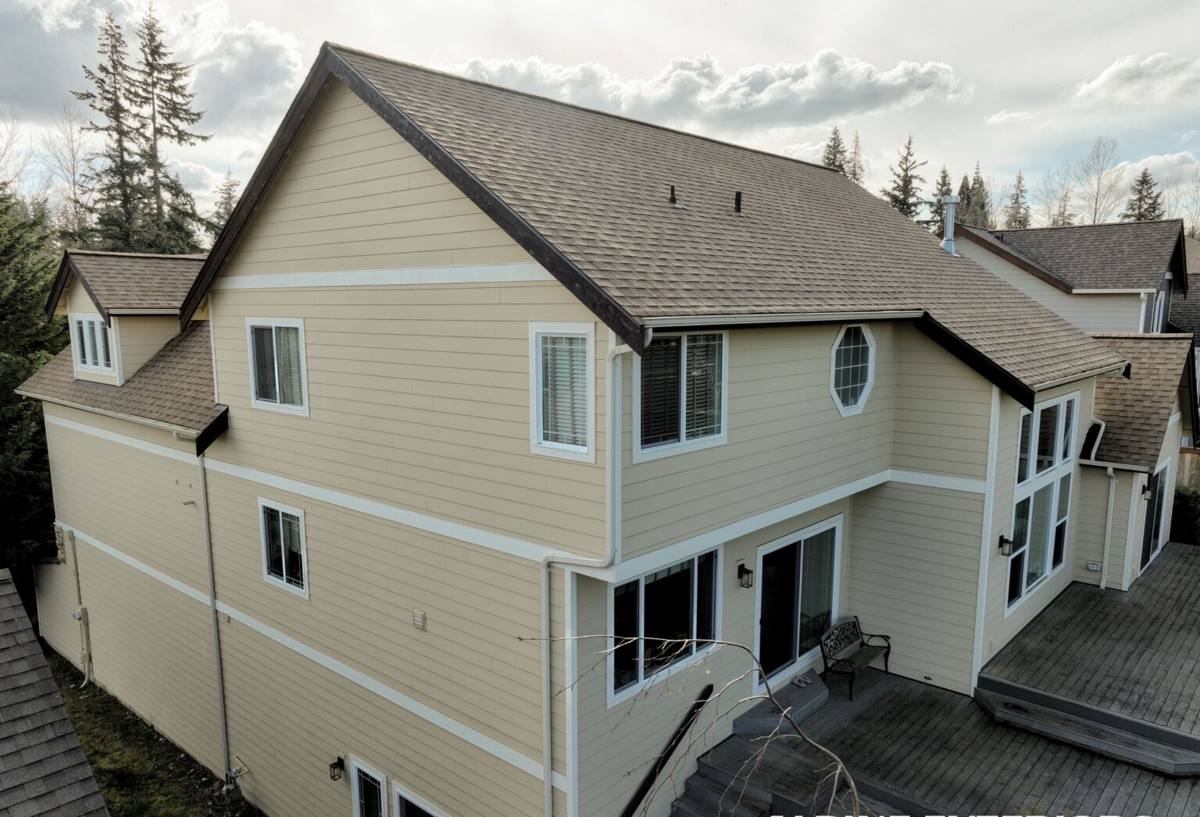
What Salt Air, Rain, and Moss Actually Do to a Deck
Salt Air and Corrosion
Homes near the shoreline in Birch Bay deal with airborne salt that settles on every exposed surface, including deck hardware. Fasteners, joist hangers, and post connectors that would hold up fine a few miles inland can start corroding noticeably faster this close to the water. Once a fastener starts to rust, it doesn't just look bad — it loses holding strength, and rust stains can bleed into the decking around it.
Driving Rain and Wind-Driven Moisture
Storms coming off the water tend to drive rain sideways rather than straight down, which pushes water into joints, ledger connections, and end grain that a more sheltered deck rarely sees. Water that gets trapped against a house ledger board or pools on a horizontal surface is what leads to rot, not rain that runs off cleanly. Flashing details and drainage gaps matter more here than in a lot of other parts of the county.
Moss, Algae, and Long Damp Stretches
Whatcom County's marine climate means long periods of overcast, damp weather, and shaded or north-facing decks in Birch Bay can stay wet for days at a time. That's exactly the condition moss and algae need to establish. Beyond looking bad, a mossy deck surface holds moisture against the boards and gets slick and genuinely dangerous underfoot, especially on stairs.
Choosing a Decking Material That Fits the Site
There isn't one "right" material for every Birch Bay deck — it depends on sun exposure, how close the lot is to the water, and how much upkeep the homeowner actually wants to do. Here's how the common options compare for this specific climate.
| Material | Moss/algae resistance | Coastal maintenance need | Typical lifespan here |
|---|---|---|---|
| Pressure-treated lumber | Low — porous surface holds moisture | Annual cleaning and re-sealing | 10-15 years with upkeep |
| Cedar | Moderate — natural oils help some | Regular cleaning, periodic oil/stain | 15-20 years with upkeep |
| Capped composite | Good — dense cap sheds moisture | Occasional wash, no sealing | 25-30+ years |
| PVC decking | Very good — non-porous surface | Occasional wash, no sealing | 30+ years |
Wood costs less up front and can look great, but in a shaded, damp Birch Bay yard it's the material that demands the most attention to stay ahead of moss. Composite and PVC cost more initially but shed water and resist moss growth better, which matters if the deck sits under trees or on the north side of the house. We'll walk through the trade-offs for your specific lot rather than push one product line — the right call depends on how much sun the deck actually gets and how much maintenance you want to sign up for.
Why We're Selective About Certain Composite Products
Not all composite decking behaves the same way in a wet marine climate. Some early-generation and uncapped composite boards absorb moisture at the core and are more prone to swelling, staining, or mold growth than fully capped products, and they can also be less forgiving of installation mistakes like tight fastening or inadequate ventilation underneath. Our standard is to spec fully capped composite or PVC where a client wants low-maintenance decking, install to the manufacturer's ventilation and gapping requirements, and be upfront when a lower-tier product isn't a good fit for a shaded, damp site — even if it costs less.
Framing, Fasteners, and Footings: Getting the Structure Right
The decking surface is what everyone sees, but the framing underneath is what determines whether the deck is still solid in fifteen years. In a coastal environment like Birch Bay, a few details matter more than they would inland:
- Fastener corrosion rating: hardware, screws, and structural connectors should be rated for coastal/high-corrosion exposure — typically stainless steel or heavy hot-dip galvanized — not the standard-duty coated fasteners used in drier areas.
- Ledger flashing: where the deck attaches to the house needs proper flashing and a drainage gap so wind-driven rain can't work its way behind the ledger board and into the wall framing.
- Joist protection: joist tape or an equivalent membrane over the top of each joist keeps water from soaking into end grain and fastener holes, which is where rot typically starts first.
- Footing depth: footings need to go below the local frost line and bear on undisturbed or properly compacted soil — this is inspected as part of the permit process, not something to guess at.
- Board spacing: proper gapping between decking boards lets water drain through instead of sitting on the surface, which reduces both rot risk and moss growth.
None of this is visible once the deck is finished, which is exactly why it's worth asking a contractor specific questions about it before work starts rather than after.
Permits, Setbacks, and Whatcom County Requirements
Most new decks and significant deck rebuilds in unincorporated Whatcom County, including Birch Bay, require a building permit, and elevated decks typically need engineered or code-compliant guardrails, proper stair geometry, and baluster spacing that meets the 4-inch sphere rule for fall protection. Waterfront and near-shoreline parcels in Birch Bay can also carry additional shoreline setback or critical-area considerations depending on the lot's proximity to the water. We pull permits, coordinate inspections, and handle the paperwork side of this as part of the job — a homeowner shouldn't have to chase down what code requires on their own.
Our Process for a Birch Bay Deck Build
- On-site assessment: we look at sun exposure, drainage, proximity to the water, and the condition of the existing structure if one is being replaced.
- Design and material selection: we go over material options honestly, including what each one actually costs to maintain over ten or twenty years in this climate, not just the price today.
- Permit and engineering: we handle the permit application and any required structural details before construction starts.
- Framing and structural work: footings, ledger flashing, joist protection, and coastal-rated fasteners go in first, since this is the part that determines the deck's actual lifespan.
- Decking, railing, and finish work: surface material, guardrails, and stairs are installed to code and to the details discussed at the design stage.
- Final walkthrough and inspection: we cover basic care for whatever material was installed and make sure the permit closes out with the county.
Keeping a Birch Bay Deck Moss-Free and Solid Long-Term
Maintenance needs vary by material, but a few habits apply to almost any deck in this climate. Keeping gutters and downspouts clear so runoff doesn't dump onto the deck, sweeping debris out of the gaps between boards before it composts into a moss-friendly layer, and washing the surface at least once a year — more often on shaded sections — go a long way. Wood decks need periodic sealing or staining to keep water from soaking in; composite and PVC decks mainly just need to stay clean, since the material itself isn't feeding moss the way bare wood can.
It's also worth checking hardware and railing connections annually for early signs of rust or looseness. Catching a corroding fastener early is a small fix; catching it after it's compromised a joist connection is not.
Why Hiring a Crew That Already Works in Birch Bay Matters
A lot of deck problems we get called to look at didn't come from bad workmanship in general — they came from a build that was detailed for a drier, more sheltered site and then installed a few hundred yards from the water. A crew that regularly works Birch Bay and the rest of the Whatcom County coastline already knows to spec coastal-rated fasteners by default, already understands the local permit and shoreline review process, and already has a feel for which lots need extra attention to moss and drainage based on sun exposure and tree cover. That local familiarity shows up less in what the deck looks like on day one and more in how it's still performing five or ten winters later.
Questions Worth Asking Before You Start
- Is the fastener and hardware package rated for coastal/high-corrosion exposure, or is it standard-duty?
- What flashing and drainage detail is planned at the house ledger connection?
- Will footings be inspected and confirmed below the local frost depth?
- Does the decking material choice account for how much shade the site actually gets?
- Is the permit being pulled and managed by the contractor, and does the lot have any shoreline setback considerations?
- What's the realistic annual maintenance for the material being proposed — not just the sales pitch version?
If you're planning a new deck or replacing one that's showing its age in Birch Bay's salt air and rain, we're happy to take a look and put together a straightforward, no-pressure estimate. Use the form below to get started.