 Bellingham Window
 Deck Repair Built for Birch Bay's Coastal Conditions
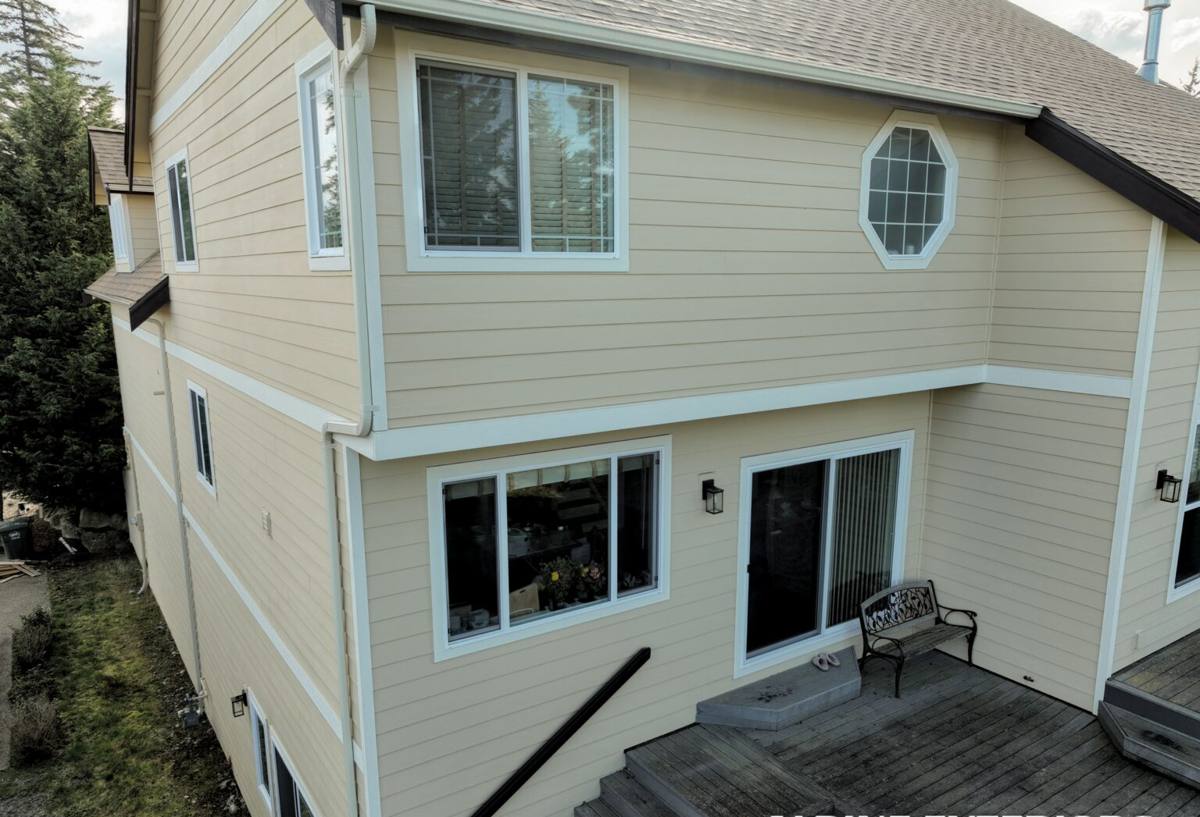
Birch Bay sits close enough to the water that every deck in the area takes on a different kind of wear than a deck twenty miles inland. Salt-laden air moves in off the bay and settles into wood grain, metal fasteners, and finish coatings day after day. Add in driving rain that comes sideways during winter storms and a moss season that can stretch from October through April, and you have a set of conditions that will find every weak point in a deck's construction. We repair decks throughout Bellingham and Whatcom County, and the decks we work on in Birch Bay consistently show a specific pattern of problems tied to that coastal exposure. Understanding that pattern is the first step to fixing it correctly instead of patching over it.
Why Salt Air, Rain, and Moss Are a Tough Combination
Each of these factors is manageable on its own. Together, they compound each other in ways that shorten a deck's usable life if the original build or past repairs didn't account for them.
Salt Air and Corrosion
Airborne salt accelerates corrosion in fasteners, joist hangers, and any exposed metal hardware. A screw or nail that would last two decades inland can start showing rust streaks and weakening within a handful of years near the bay. Once a fastener corrodes, it loses grip strength, and the board or connection it's holding starts to move — which is often the first sign a homeowner notices, usually as a squeak or a slight bounce underfoot.
Driving Rain and Moisture Intrusion
Wind-driven rain doesn't just fall on a deck's surface — it gets pushed sideways into ledger connections, under railing posts, and into any gap where flashing or sealant has failed. Standing water on horizontal surfaces is bad enough, but moisture forced into joints and end grain is what actually rots structural members from the inside out, often well before any surface damage is visible.
Moss and Prolonged Dampness
A long moss season means deck boards stay damp longer between dry stretches. Moss holds moisture against the wood surface, blocks airflow, and creates a slick, slippery walking surface. Left alone, it also traps organic debris in board gaps, which further slows drying and feeds ongoing decay.
Common Deck Problems We Find in Birch Bay
When we inspect a deck in this area, a few issues show up more often than not. None of them are unusual for a coastal Pacific Northwest deck — they're just more common and more advanced here than on decks farther from the water.
- Rot at the ledger board where the deck attaches to the house, especially where flashing was missing or improperly lapped
- Corroded or failing joist hangers and structural screws, sometimes hidden until a board is pulled
- Post bases and footings showing rot or movement where wood contacts concrete or soil without a proper standoff
- Cupped, splintering, or soft deck boards from repeated wet-dry cycles
- Moss and algae buildup creating slip hazards on stairs and walking surfaces
- Railing posts loosening where lag bolts have corroded or the surrounding wood has softened
Repair or Replace: How We Make That Call
Not every deck problem means a full rebuild, and not every squeak can be fixed with a few new screws. The honest answer depends on whether the damage is cosmetic, isolated and structural, or widespread and structural. We probe suspect wood, check moisture readings, and inspect connections before recommending anything — not just look at the surface.
| Condition Found | Typical Approach | Why |
|---|---|---|
| Weathered, splintering boards with sound framing underneath | Board replacement or resurfacing | Structure is fine; the wearing surface is what failed |
| Localized rot at one ledger section or a few joists | Targeted structural repair | Isolated damage doesn't require rebuilding the whole frame |
| Corroded hardware throughout, structure otherwise sound | Full hardware and fastener replacement | Stops future connection failures before they cause damage |
| Widespread rot in ledger, joists, and posts | Partial or full rebuild | Patching individual members won't address a systemically failed structure |
| Deck under 10 years old with early hardware failure | Hardware upgrade to coastal-rated fasteners | Original hardware likely wasn't specified for salt-air exposure |
What a Correct Repair Actually Involves
Starting With an Honest Inspection
We check the ledger connection and flashing first, since that's the single most common failure point on a deck exposed to driving rain. From there we check joists, beams, post bases, and railing connections, probing any wood that looks discolored or feels soft. We also pull a sample board or two in problem areas rather than guessing from the surface.
Fixing the Cause, Not Just the Symptom
Replacing a rotted board without addressing the flashing or drainage issue that caused the rot just buys a few more years before the same spot fails again. Correct repair means identifying why that section failed — poor flashing, missing gap between boards, ponding water, a fastener that shouldn't have been used this close to salt air — and fixing that root cause alongside the visible damage.
Matching Materials to the Exposure
Any hardware or fasteners we install in a coastal-exposed repair are rated for that environment, not standard-grade parts that will corrode again in a few seasons. The same goes for flashing and any sealants used around the ledger and posts.
Our Deck Repair Process
- Inspection and assessment — We walk the full deck, check structural connections, probe questionable wood, and note drainage and flashing conditions.
- Written scope and honest recommendation — You get a clear explanation of what's failing, what's still sound, and what your realistic options are, without upselling a full rebuild when a targeted repair will do the job.
- Repair or rebuild — We remove and replace only what needs it, correct the underlying cause (flashing, drainage, undersized hardware), and rebuild connections to current structural standards.
- Hardware and fastener upgrade — Any exposed hardware goes in rated for coastal exposure so the repair doesn't just corrode again on the same timeline.
- Final walkthrough — We check the repair with you, point out any maintenance items worth watching, and answer questions before we consider the job done.
Material and Fastener Choices That Matter Near the Water
Every decking material has trade-offs, and we'll talk through them honestly rather than pushing whatever is easiest for us to install.
Wood Decking
Pressure-treated and cedar decking are common in this region and can perform well, but they require more consistent maintenance — cleaning, sealing, and moss control — to hold up against sustained salt air and moisture. Skipping that upkeep is what leads to the rot and splintering we see most often.
Composite Decking
Composite boards resist moisture absorption and don't need staining, which can be an advantage in a wet, mossy climate. The trade-off is a higher upfront material cost and, on some products, a tendency to stay slicker underfoot when damp — worth factoring in if your deck sees heavy moss growth or shaded, damp conditions for much of the year.
Fasteners and Hardware
For coastal exposure, we specify stainless steel or coated fasteners and hardware rated for the corrosion class the location calls for, rather than standard-grade hardware that's fine inland but shortens its service life fast this close to salt air.
Maintenance Checklist to Extend Your Deck's Life
Regular upkeep is what separates a deck that lasts and one that needs repeated repair. This is worth doing at least twice a year in this climate — more often if your deck is shaded or exposed to prevailing wind and rain.
- Sweep debris out of board gaps so water can drain and air can circulate underneath
- Wash off moss and algae before it spreads, using a deck-safe cleaner rather than a pressure washer alone, which can damage wood fibers
- Check and re-seal or re-stain wood decking on the manufacturer's recommended schedule, not just when it looks faded
- Inspect railing posts and stair connections for movement or soft wood at least once a year
- Look at the ledger board and flashing where the deck meets the house for gaps, cracks, or staining that suggests water intrusion
- Keep gutters and downspouts clear so roof runoff isn't draining directly onto or under the deck
Why a Local Crew That Knows Birch Bay Matters
A contractor who works decks across the whole county sees the difference between a deck a few blocks from the water and one further inland — and that difference changes what materials, fasteners, and repair priorities actually make sense. We're not guessing at what salt air and a long wet season will do to a repair a few years out; we've already seen it play out on other decks in this same area. That local experience shapes what we recommend, from the hardware we specify to how much we push on flashing and drainage details that homeowners further inland might not need to worry about as much.
Getting Your Deck Assessed
A deck that feels solid on the surface can still have a failing connection underneath, and a deck with a few soft boards isn't necessarily headed for a full rebuild. The only way to know which situation you're in is a proper inspection. If you're dealing with a bouncy spot, visible rot, corroded hardware, or a deck that's just showing its age faster than it should, we're happy to take a look and give you a straight answer about what it needs. Reach out for a free, no-pressure estimate — we'll tell you honestly what we find and what your options are, whether that's a targeted repair or something bigger.