 Bellingham Window
 Roof Replacement in Edgemoor: A Different Set of Conditions
Edgemoor sits along the bluffs and wooded slopes above Bellingham Bay, and that setting shapes what a roof in this neighborhood actually has to withstand. Mature tree canopy shades much of the area, marine air moves in off the water, and winter storms push rain sideways as often as they drop it straight down. A roof replacement done here needs to account for all three — not just meet a generic spec sheet.
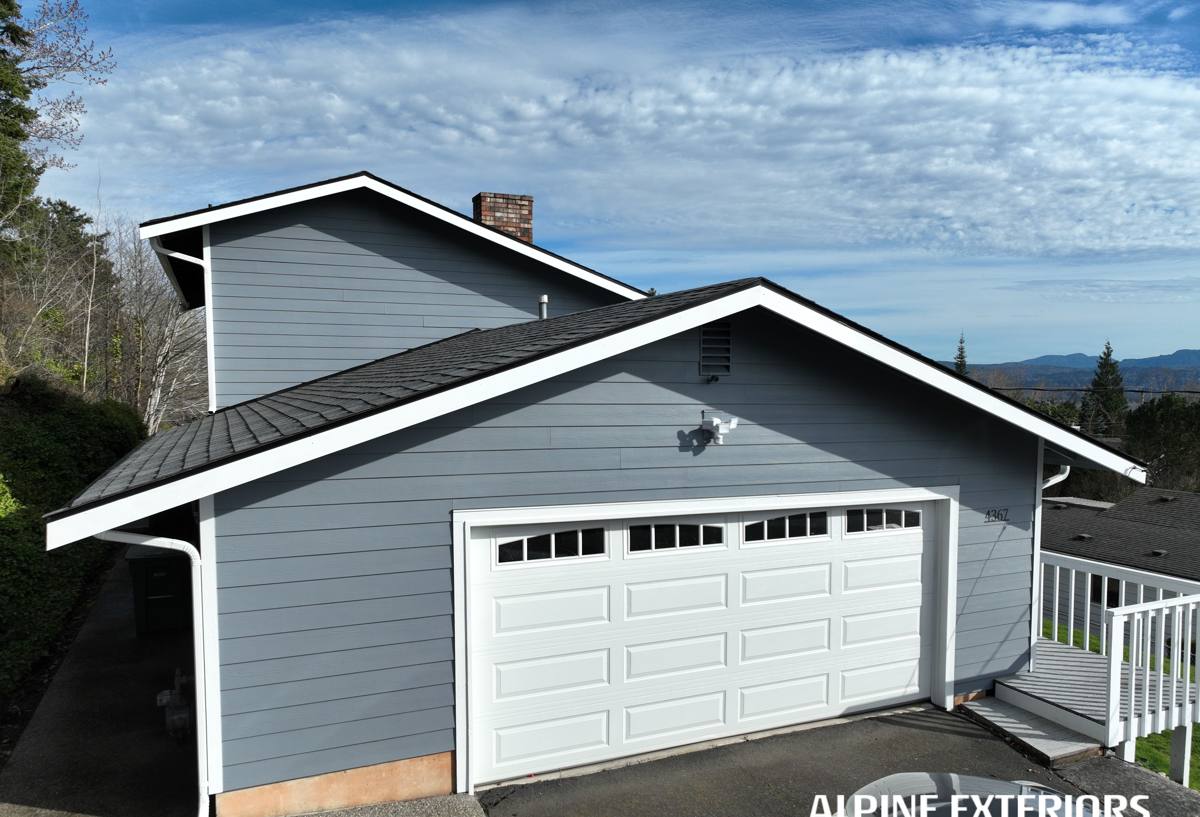
This page focuses on one job in one place: replacing a roof on an Edgemoor home. It's written for homeowners trying to understand what a correct job looks like, what drives the cost, and why local experience with this specific setting matters as much as the materials on the invoice.
What Edgemoor's Setting Actually Does to a Roof
Salt Air and Driving Rain
Proximity to Bellingham Bay means roofing metal, fasteners, and flashing here are exposed to salt-laden air more than roofs further inland. Standard fasteners and thin flashing stock corrode faster in this environment, which is why the hardware spec matters as much as the shingle brand. Wind off the water also drives rain at an angle, pushing moisture up under shingle edges and into laps that would stay dry in a calmer climate — which is exactly where a lot of long-term leaks start.
Tree Canopy and a Long Moss Season
Edgemoor's wooded character is part of what makes the neighborhood distinctive, but overhanging fir and cedar canopy also means shaded roof slopes that rarely get direct sun, needle and debris buildup in valleys, and a moss and algae season that runs long through the wet months. Moss doesn't just look bad — its root structure lifts shingle tabs and holds moisture against the roof deck, which accelerates rot from underneath long before it's visible from the ground.
Bluff Exposure and Wind
Homes higher on the bluff or with more open exposure toward the water catch stronger, more consistent wind than roofs tucked into the trees. That affects everything from fastening pattern to which shingle wind ratings actually make sense for a given lot, and it's a detail that's easy for a contractor to overlook if they haven't worked the area.
What a Correct Roof Replacement Involves
A roof replacement is more than stripping old shingles and laying new ones. Done right, it's a sequence where each step protects the next, and skipping or rushing any one of them shortens the life of everything above it.
- Full tear-off: Removing existing roofing down to the deck, not layering over it, so the deck itself can actually be inspected.
- Deck inspection and repair: Identifying and replacing any rotted or delaminated sheathing before new underlayment goes down — a step that's especially important under roofs that have held moss and moisture for years.
- Ice-and-water or self-adhered membrane at vulnerable areas: Eaves, valleys, and penetrations get extra protection against wind-driven rain intrusion.
- Synthetic underlayment across the field: A modern synthetic underlayment holds up better than old-style felt against the moisture load this climate produces.
- Corrosion-resistant fasteners and flashing: Given the salt air, hardware grade is a real decision here, not an afterthought.
- Proper flashing at every valley, chimney, skylight, and wall intersection: This is where the overwhelming majority of roof leaks actually originate.
- Ventilation review: Balanced intake and exhaust ventilation controls attic moisture, which affects both shingle lifespan and how much moss and mildew develop from the underside.
- Cleanup, including a magnetic nail sweep: Especially important on wooded lots where debris and old fasteners can otherwise sit in the yard or garden beds.
Choosing Materials for an Edgemoor Home
Edgemoor's homes range from older, established properties with real architectural character to larger newer builds designed around the bay views. Material choice should fit both the house and the site — a shaded, tree-covered lot has different priorities than an open, wind-exposed one.
| Material | Fit for Edgemoor's Conditions | Trade-Offs |
|---|---|---|
| Algae-resistant asphalt shingles | Strong, cost-effective default; resists the dark staining a long moss season causes on standard shingles | Still benefits from periodic moss treatment on heavily shaded slopes |
| Standard architectural shingles | Good general performance, wide style and color range | Without algae resistance, shaded slopes here stain and grow moss faster than in drier climates |
| Metal roofing | Excellent wind and moisture performance, sheds moss more easily due to a smoother surface | Higher upfront cost; installation quality and fastener spec matter even more given salt exposure |
| Cedar shake | Fits the character of some older homes in the area | Requires more upkeep in a damp, shaded climate and carries different fire and moisture-maintenance considerations than composite materials |
Whatever material a homeowner chooses, we'll walk through the honest trade-offs for that specific roof — slope, sun exposure, tree cover, and how long they plan to stay in the home all factor into what actually makes sense.
Cost Factors on an Edgemoor Roof Replacement
Two bids for what looks like the same job can land far apart, and the gap almost always comes down to scope and material grade rather than one contractor simply charging more. Understanding what drives the number helps homeowners compare bids on substance.
| Cost Factor | Why It Matters Here |
|---|---|
| Roof pitch and access | Sloped, wooded, or bluff-adjacent lots can add staging and safety-equipment time compared to a flat, open lot |
| Deck condition | Long-term moss and moisture exposure raises the odds of finding some deck rot once tear-off begins |
| Tree management during the job | Overhanging canopy sometimes needs limb clearance or extra protection for landscaping during tear-off and disposal |
| Underlayment and flashing spec | Upgraded, corrosion-resistant materials cost more but directly address the salt-air and wind-driven rain exposure common here |
| Material grade | Algae-resistant or metal options cost more upfront but reduce moss-related maintenance and staining over the life of the roof |
| Ventilation upgrades | Older Edgemoor homes sometimes need intake or exhaust vents added or corrected, which affects labor scope |
Our Process From Estimate to Cleanup
- In-person inspection: We walk the roof and attic in person before quoting — not a drive-by estimate off a satellite photo.
- Written, itemized estimate: Tear-off scope, underlayment, flashing detail, material, and ventilation work spelled out, not a single lump-sum number.
- Scheduling around weather: We build reasonable flexibility into the timeline, since wet-season delays are a normal part of working in this area rather than an excuse.
- Tear-off and deck inspection: Any deck repair needed is documented and reviewed with the homeowner before we cover it back up.
- Installation to spec: Underlayment, flashing, material, and ventilation installed in the sequence and detail the estimate laid out.
- Final walkthrough and cleanup: Including a magnetic nail sweep, before we consider the job finished.
Why Local Experience in Edgemoor Specifically Matters
A contractor who's only worked drier, inland roofs can still do technically competent work and still miss the details that matter on a shaded, bluff-adjacent, marine-exposed lot. A crew that already works Edgemoor and the surrounding Bellingham neighborhoods has a feel for which slopes hold moss longest, how far wind-driven rain actually travels up under a shingle edge in this exposure, and how to sequence tear-off and disposal around mature trees without damaging landscaping. That's knowledge that comes from doing the work here repeatedly, not from a manufacturer's install guide.
It also matters for accountability. A local crew with a real presence in Bellingham and Whatcom County is the one you can actually reach in three years if a workmanship question comes up — not a crew that moved on to the next region after the job wrapped.
Signs Your Edgemoor Roof May Be Due for Replacement
- Shingles that are cupping, curling at the edges, or losing granules in visible patches
- Moss buildup that returns quickly after cleaning, especially on shaded, north-facing slopes
- Soft or spongy spots when walking the roof, which can indicate deck rot underneath
- Daylight visible through the attic roof deck, or damp insulation after a storm
- Flashing that's visibly rusted, lifted, or separating at valleys, chimneys, or skylights
- A roof approaching or past the expected lifespan of its material, especially if the last replacement predates current underlayment and flashing standards
Any one of these on its own might mean a targeted repair is enough. Several together, or a roof already past its expected service life, usually means it's time to plan for full replacement before a leak forces the decision.
Get a Straightforward Look at Your Roof
If you're weighing a repair against a full replacement, or just want a second, honest opinion on a roof in Edgemoor, we're glad to come take a look. There's a free, no-pressure estimate form below — an in-person inspection and a written estimate, with no obligation attached.