 Bellingham Window
 Roofing in Fairhaven Isn't Quite Like Roofing Anywhere Else
Fairhaven sits close enough to the water that salt-laden air, wind-driven rain, and a long, damp moss season all take a toll on a roof faster than they do further inland. Bellingham and Whatcom County get plenty of rain overall, but homes near Fairhaven catch more of the marine air moving off Bellingham Bay, and that combination of moisture and salt exposure changes how a roof ages. An asphalt shingle roof that's installed correctly for this environment can last for decades. One that's installed with shortcuts, or with materials that aren't suited to a wet marine climate, tends to show problems early — curling edges, granule loss, moss colonies, and soft spots around flashing.
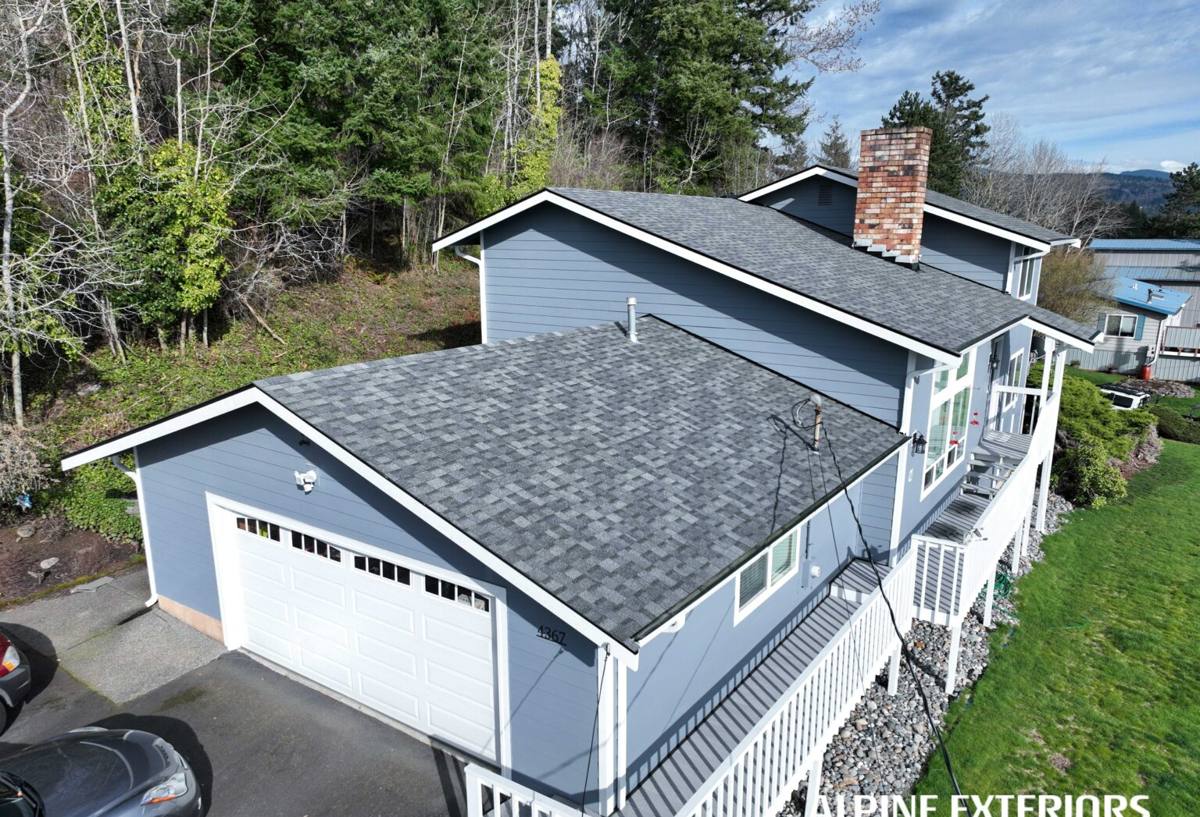
This page is about one job, done right, in one neighborhood: asphalt shingle roofing for Fairhaven homes. Not a general overview of roofing services — the specific conditions this area creates and what it actually takes to install and maintain a shingle roof that holds up to them.
What Fairhaven's Climate Demands From a Shingle Roof
Salt Air and Moisture
Proximity to the bay means airborne salt and consistently high humidity. Salt doesn't damage asphalt shingles the way it corrodes metal, but it does accelerate wear on exposed metal flashing, fasteners, and vents if they aren't rated for coastal exposure. It also keeps roof surfaces damp longer after rain, which feeds moss and algae growth.
Driving Rain and Wind
Storms coming off the water often bring rain sideways rather than straight down. That matters because a roof can be watertight against vertical rain and still leak under wind-driven rain if the underlayment, flashing laps, and shingle nailing pattern weren't installed to handle it. Roof edges, valleys, and anywhere two roof planes meet are the areas most exposed to this kind of wind-forced moisture.
A Long Moss Season
Bellingham's mild, wet winters and shaded tree cover common in older Fairhaven neighborhoods create ideal conditions for moss and algae to establish on north-facing slopes and shaded valleys. Moss holds moisture against the shingle surface, and over time it lifts shingle edges and works its way under the mat, which is where real damage starts.
Choosing the Right Shingle for This Environment
Not all asphalt shingles perform the same way in a marine climate. We steer homeowners toward products and specifications suited to sustained moisture exposure, rather than the cheapest option available, because the trade-offs show up within a few years in a climate like this one.
| Shingle Type | Typical Lifespan Here | Notes for Fairhaven Conditions |
|---|---|---|
| 3-Tab (economy) | 12–18 years | Lower wind rating and thinner mat; moss and algae take hold faster; least resilient to driving rain at edges |
| Architectural / Dimensional | 25–30+ years | Heavier mat, better wind uplift rating, more common choice for this climate |
| Algae-Resistant (copper/zinc granules) | 25–30+ years | Same durability as standard architectural shingles, with granules formulated to slow algae and moss staining on shaded slopes |
| Premium/Designer | 30+ years | Thickest mat and highest wind ratings; worth it on exposed or highly visible roof planes |
For most Fairhaven homes, we recommend an architectural shingle with algae-resistant granules as the baseline, upgrading to a premium line where a roof is heavily shaded, highly exposed to wind, or where the homeowner wants the longest realistic service life. We'll walk through the actual options and honest trade-offs for your specific roof during the estimate rather than pushing one product line.
What a Correct Installation Actually Involves
Shingles themselves are only part of the system. Most premature roof failures we see in this area trace back to what's underneath the shingles, not the shingles themselves.
Tear-Off and Deck Inspection
We remove the old roofing down to the deck rather than layering over it. That lets us inspect the sheathing for soft spots, rot, or prior water damage — common on older homes near the water — and replace only what actually needs it.
Underlayment and Water Barrier
Given how much wind-driven rain this area sees, underlayment choice matters. We use synthetic underlayment rated for high moisture exposure, with self-adhering ice-and-water barrier at eaves, valleys, and roof-to-wall transitions — the spots most likely to take on water under sideways rain.
Flashing Details
Flashing around chimneys, skylights, vents, and wall intersections is where most leaks actually originate, not the open field of the roof. We install new step flashing, counter-flashing, and pipe boots rather than reusing old flashing, and we detail it for wind-driven rain rather than just gravity drainage.
Ventilation
Proper intake and exhaust ventilation keeps moisture from building up in the attic, which reduces condensation on the underside of the deck and helps the shingles themselves last their full rated life. This is easy to get wrong on older homes that were never designed with modern ventilation standards.
Before We Call a Job Done
- Deck inspected and any damaged sheathing replaced, not covered over
- Ice-and-water barrier installed at eaves, valleys, and wall transitions
- New flashing at every penetration and roof-to-wall intersection
- Shingles nailed to manufacturer wind-rating specifications, not just "enough"
- Intake and exhaust ventilation checked and corrected if inadequate
- Gutters and downspouts confirmed clear and properly draining away from the structure
- Job site and yard cleaned of debris, nails, and old materials
Our Process, From Estimate to Cleanup
- On-site inspection. We look at the current roof, the deck condition where visible, attic ventilation, and any moss or moisture patterns specific to your property's exposure and shading.
- Written estimate. A clear scope of work and price, including shingle options suited to your roof's exposure, with no pressure to decide on the spot.
- Scheduling around weather. Roofing in this climate means working around rain windows. We plan tear-off and dry-in to minimize how long your deck is exposed.
- Tear-off, deck repair, and dry-in. Old materials removed, deck inspected and repaired as needed, and the roof made watertight the same day where possible.
- Shingle installation and flashing. Installed to manufacturer and code specifications for wind and water exposure.
- Final walkthrough and cleanup. We review the finished roof with you and make sure the property is left clean.
Moss, Algae, and Long-Term Maintenance
Even a well-installed roof in Fairhaven benefits from periodic maintenance, given how long moss season runs here. Moss growth is more about the local microclimate — shade, tree cover, moisture — than about a roof being installed poorly, but it still needs to be managed so it doesn't shorten the roof's life.
We recommend periodic soft washing (not pressure washing, which strips granules and shortens shingle life) on north-facing or heavily shaded slopes, keeping gutters clear so water isn't sitting against the roof edge, and trimming back overhanging branches where practical to reduce shade and debris buildup. Catching moss early, before it lifts shingle edges, is far cheaper than repairing the water damage that follows once it's established.
Common Problems We Find on Older Fairhaven Roofs
Fairhaven has a mix of older homes and newer builds, and the roofing issues tend to differ by age and exposure.
- Moss colonies on shaded north slopes that have lifted shingle edges over several seasons
- Flashing that was reused during a prior re-roof instead of replaced, now corroded or gapped
- Granule loss and curling on older 3-tab shingles nearing the end of their service life
- Inadequate attic ventilation causing condensation staining on the underside of the deck
- Soft or rotted decking discovered only once old shingles are removed
None of these are unusual for the area — they're what long-term exposure to a wet, salt-influenced marine climate does to a roof over time. The point of a proper inspection is catching them before they turn into an interior leak.
What Asphalt Shingle Roofing Costs in Fairhaven
Every roof is different, but the main cost drivers for this area are consistent enough to outline honestly.
| Factor | How It Affects Cost |
|---|---|
| Roof size and pitch | Larger and steeper roofs require more material and labor time |
| Deck condition | Rotted or soft sheathing found during tear-off adds material and labor to replace it |
| Shingle tier chosen | 3-tab is least expensive upfront; architectural and algae-resistant lines cost more but last longer in this climate |
| Number of penetrations | More chimneys, skylights, and vents mean more flashing work |
| Access and layout | Steep or hard-to-access roofs, or multiple roof planes, take longer to work safely |
| Ventilation upgrades | Adding or correcting intake/exhaust ventilation on older homes adds to scope |
We won't quote a number without seeing the roof, but we'll always explain exactly what's driving the price on your specific estimate, and we'll be upfront about where a lower bid elsewhere is likely cutting corners on underlayment, flashing, or deck repair rather than on the shingle brand itself.
Why Local Experience in Fairhaven Matters
A roofing crew that already works in Fairhaven understands how the neighborhood's exposure to the bay, its shade patterns, and its mix of older and newer homes affect a roof — before they ever climb a ladder. That means fewer surprises during tear-off, better product recommendations for your specific slope and exposure, and a roof detailed for the wind-driven rain and moss conditions this area actually sees, not generic specifications pulled from a drier climate. We work throughout Bellingham and Whatcom County, and Fairhaven's coastal conditions are part of what we plan for on every estimate here.
If you're dealing with an aging roof, visible moss, or just want an honest read on where your current roof stands, we're glad to take a look. Request a free, no-pressure estimate using the form below and we'll walk the roof with you and lay out your options plainly.