 Bellingham Window
 Deck Building in Ferndale: Designed for This Specific Climate
Ferndale sits close enough to Bellingham Bay and the Nooksack River delta that salt-tinged air, wind-driven rain, and a moss season that can run eight months or longer are just part of owning a home here. A deck built the same way you'd build one in a dry inland climate will show problems within a few years in this environment — soft spots, rusted fasteners, slick moss buildup, and boards that cup or split. A deck built for Ferndale's actual conditions, using the right materials, the right structure underneath, and the right drainage details, will outlast that by a wide margin and stay safer to walk on through the wet months.
This page covers what we've found actually matters when building or replacing a deck in this specific area of Whatcom County — not generic advice, but the details that separate a deck that holds up here from one that doesn't.
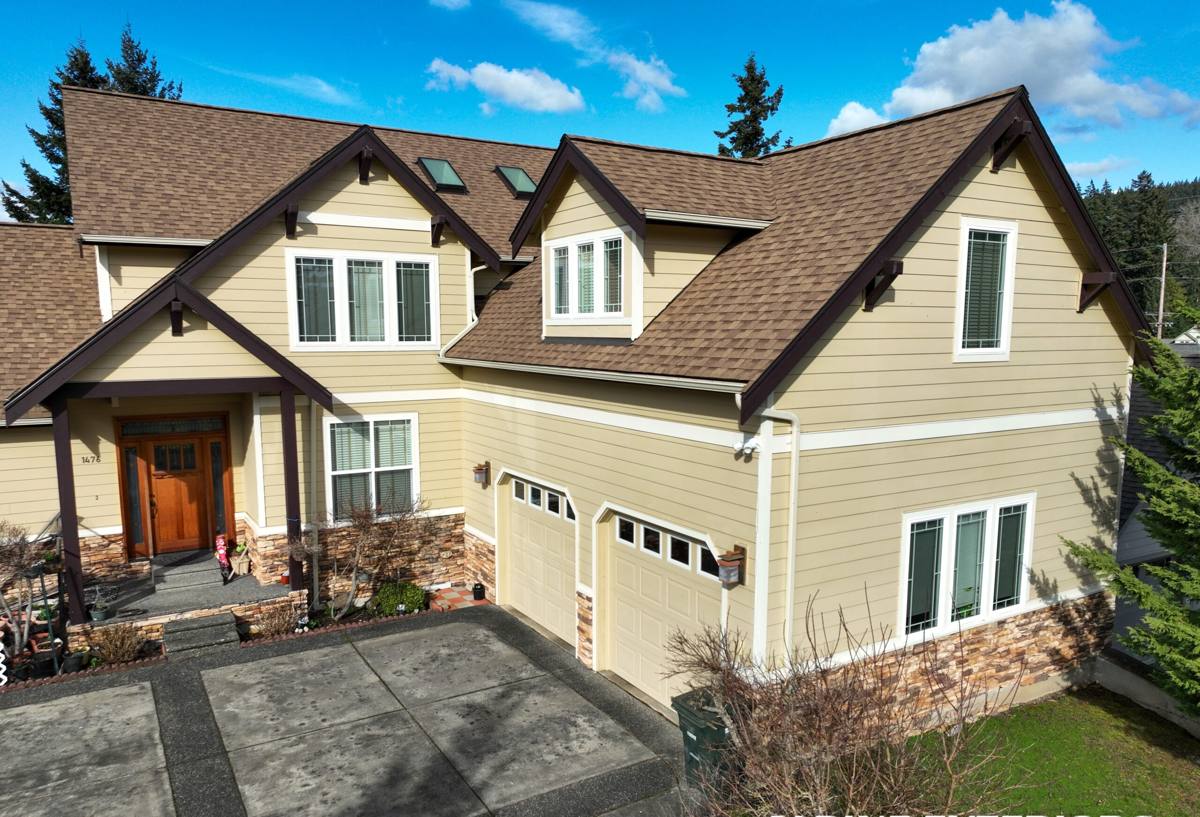
What Ferndale's Climate Actually Does to a Deck
Three things drive most of the deck problems we see in this area, and they compound each other:
Salt Air
Even a few miles inland from Bellingham Bay, airborne salt accelerates corrosion on any metal that isn't rated for it. Fasteners, joist hangers, post bases, and railing hardware take the brunt of it. Standard coated screws and hangers that would last decades in a dry inland climate can start rusting and staining the wood within a few seasons here.
Driving Rain
Rain in this part of Washington doesn't just fall straight down — wind off the water pushes it sideways, which means it gets up under railings, into end-grain cuts, and behind ledger boards in ways a calmer climate wouldn't produce. Any gap or seam that isn't properly flashed or sealed becomes a water entry point.
Long Moss Season
Cool, damp, and shaded conditions for most of the year create ideal moss and algae growth on horizontal surfaces. Beyond looking bad, moss holds moisture against the decking material and turns walking surfaces slippery and genuinely dangerous, especially on stairs.
None of these are dealbreakers for building a deck in Ferndale — they're just the design constraints we build around, the same way a contractor in Arizona designs around sun exposure and heat.
Choosing the Right Decking Material
There's no single "correct" decking material for every home — it depends on budget, how much upkeep you're willing to do, and how the deck is used. Here's how the common options actually perform in this climate:
| Material | How It Handles Salt Air & Rain | Moss & Algae Resistance | Maintenance |
|---|---|---|---|
| Cedar | Naturally rot-resistant, but needs sealing to control cupping and checking from repeated wet-dry cycles | Moderate — needs periodic cleaning | Annual cleaning and re-sealing or staining every 2-3 years |
| Pressure-treated fir/pine | Good if properly sealed; end cuts and fastener holes need field treatment or they rot from the inside out | Moderate — same as cedar | Sealing every 1-2 years, more frequent inspection |
| Composite decking | Excellent — doesn't absorb water or cup, no risk of rot | Better than wood, but still needs periodic washing — composite can still grow surface algae | Occasional washing, no sealing or staining ever |
| PVC decking | Excellent — fully water-resistant | Best of the group, sheds moss and algae more easily | Occasional washing |
We don't push one material over another as a default. What we do is talk through how you actually use the space, your maintenance tolerance, and your budget, and size the framing correctly for whichever decking you choose — composite and PVC boards, for example, have different span and fastening requirements than wood, and using wood-spec framing under composite decking is a common mistake that shortens its life.
The Structure Underneath Is What Actually Matters Most
Decking is the part everyone sees, but the framing, footings, and connections underneath are what determine whether a deck is safe and long-lasting. This is where corners get cut on lower-quality builds, because it's invisible once the project is done.
Footings and Posts
Footings need to be sized and set below frost depth per code, on undisturbed or properly compacted soil. In areas with poor drainage — which describes a fair amount of ground in this part of Whatcom County — we pay close attention to how water moves around and under footings, since standing water against concrete and post bases accelerates deterioration.
Ledger Attachment
Where a deck attaches to the house, the ledger board connection has to be properly flashed to keep water from getting behind it and into the house's structure. This is one of the most common failure points on older decks in wet climates — water works its way in behind an unflashed or poorly flashed ledger and rots the rim joist and sheathing before anyone notices.
Joist Hangers and Fasteners
Given the salt air here, we use stainless steel or high-grade coated fasteners and hardware rated for coastal exposure, not the standard-grade hardware that's fine for inland builds. Mixing incompatible metals (for example, the wrong fastener in an aluminum-coated hanger) can also cause galvanic corrosion that eats through hardware from the inside — it's a detail that's easy to get wrong if it's not something a crew thinks about regularly.
Drainage and Airflow: Beating the Moss Season
Moss and rot both come down to the same root cause: water that has nowhere to go. A well-built deck in this climate is designed to shed and drain water actively, not just tolerate it.
- Proper board spacing so water drains through rather than pooling on the surface
- A slight slope away from the house on the overall deck structure
- Ventilation gaps between the ledger, framing, and any skirting so air can circulate underneath and dry things out between rain events
- Keeping planters, rugs, and furniture that trap moisture off bare decking surfaces where possible
- Drainage systems under raised or multi-level decks to direct water away from footings and any living space below
Decks that skip these details still function for a while, but they're the ones we see covered in moss and showing early rot when we get called out for repairs a few years later.
Our Deck Building Process, Start to Finish
Site Visit and Design
We walk the property, look at sun and wind exposure, drainage patterns, and how you plan to use the space, then talk through material options honestly — including the trade-offs of each, not just the ones we'd prefer to sell.
Permitting
We handle the permit application and coordinate any required inspections. Skipping this step is a common shortcut with unpermitted decks, and it can cause real problems later at resale or with insurance — we don't cut this corner.
Build
Footings and framing go in first, with every structural connection inspected before decking goes down. We use fasteners and hardware rated for this climate throughout, not just on the parts that are visible.
Final Walkthrough
Before we consider the job done, we walk the finished deck with you, cover basic maintenance for whatever material you chose, and answer any questions about how it's built.
Permits and Local Code Considerations
Deck construction in Whatcom County, including within Ferndale, generally requires a building permit once a deck exceeds a certain height or size — the exact thresholds and requirements depend on your specific jurisdiction and property. Guardrail height, stair geometry, footing depth, and ledger attachment are all code-regulated details, and inspectors will check them. We handle the permitting process as a standard part of any deck build, so you don't have to sort out which rules apply to your property.
Keeping Your Deck Healthy Once It's Built
Even a well-built deck needs some seasonal attention in this climate. A short list of what actually matters:
- Sweep leaves and debris off the deck regularly, especially in fall, so they don't trap moisture against the boards
- Clean moss and algae off horizontal surfaces at least once a year, before it builds up and gets slippery
- Check fastener heads and hardware periodically for early signs of rust or staining
- Reseal or restain wood decking on the schedule appropriate to the product — don't wait until it's visibly failing
- Keep gutters and downspouts near the deck clear so roof runoff isn't dumping extra water onto or under the structure
- Confirm underneath ventilation gaps aren't blocked by stored items, plants, or debris
Why a Crew That Already Works in Ferndale Makes a Difference
A lot of deck problems we get called to fix weren't caused by bad workmanship in a general sense — they were built correctly for a different climate. A crew that mostly works drier, inland areas doesn't think about salt-rated hardware or ledger flashing the same way a crew working Whatcom County's coastline does every week. Knowing which fasteners hold up near the water, how much slope and airflow a deck actually needs to fight an eight-month moss season, and which local code details apply in Ferndale specifically isn't something you pick up from a manual — it comes from building here repeatedly and seeing what does and doesn't hold up a few winters later.
If you're planning a new deck or replacing one that's showing its age, we're happy to come take a look and give you a straightforward, no-pressure estimate — just fill out the form below.