 Bellingham Window
 Siding That Has to Work Year-Round in Lynden
Lynden sits in the flattest, wettest part of Whatcom County, and the siding on a Lynden home earns its keep every month of the year. Marine air moving in off the Salish Sea carries salt and moisture well inland, farmland fog settles low in the mornings, and the rain here doesn't come in dramatic bursts so much as it just doesn't stop from October through May. Add a long moss season on anything shaded or north-facing, and you have a climate that is genuinely hard on exterior materials — not because any single storm is severe, but because the exposure is constant.
That's the lens we use when we talk to Lynden homeowners about siding. A product that looks fine on a showroom sample can behave very differently after ten winters of Whatcom County weather. This page covers what fiber cement siding specifically needs to hold up here, what a correct installation actually involves, and why we've standardized on one manufacturer instead of offering a menu of options.
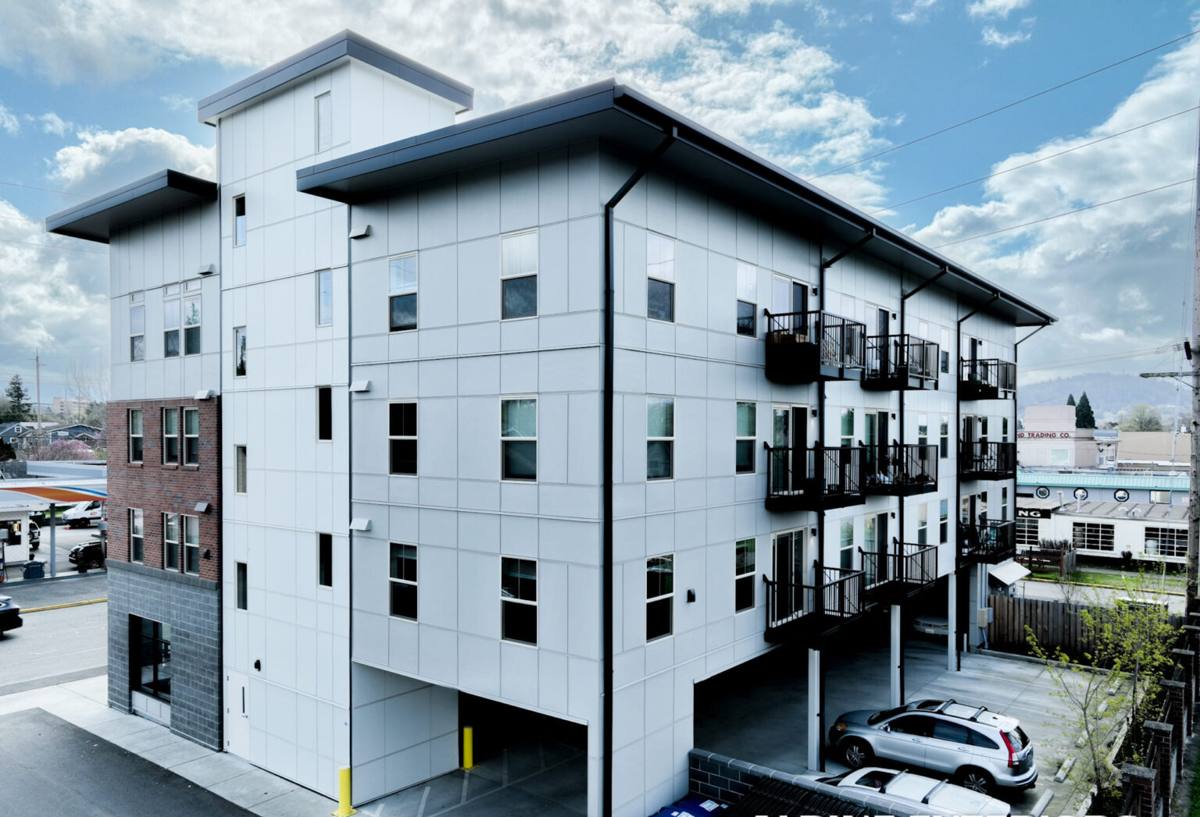
What Salt Air, Driving Rain, and Moss Actually Do to Siding
Moisture Finds the Weak Points
Wind-driven rain doesn't just hit a wall — it gets pushed sideways and upward into laps, seams, and fastener penetrations. Over years, any siding material with a weak moisture barrier behind it, or seams that were caulked instead of properly flashed, will eventually let water track behind the cladding. Once that happens, the damage is almost always hidden until it's expensive.
Moss and Organic Growth
Shaded elevations, tree-lined lots, and north-facing walls around Lynden hold moisture longer than they would in a drier climate. Moss and mildew take hold on surfaces that stay damp, and on some siding materials that growth isn't just cosmetic — it can hold water against the surface and accelerate breakdown underneath.
Salt-Laden Air
Lynden is inland from Bellingham Bay, but this is still a maritime climate. Salt-bearing air affects fasteners, trim metal, and any siding product that relies on a painted or coated surface to keep moisture out. Coatings that chip or wear thin expose the substrate underneath to exactly the kind of persistent dampness this region is known for.
Why We Only Install James Hardie Fiber Cement
We install James Hardie fiber cement siding exclusively. We don't install vinyl, LP SmartSide, Cemplank, Allura, primed spruce, or cedar. That's a deliberate professional standard, not a sales preference, and it's worth explaining honestly.
What Other Products Get Right — and Where They Fall Short Here
Vinyl is inexpensive and low-maintenance in mild climates, but it can warp under temperature swings and its seams and J-channels are a recurring point of water entry if not installed with real precision. Wood-based products like LP SmartSide, primed spruce, and cedar have genuine appeal — they look and feel like traditional wood siding — but they depend on an intact factory coating or field-applied finish to stay dry, and any breach in that coating on an engineered-wood substrate can lead to swelling or rot, especially in a climate that stays damp for months at a stretch. Other fiber cement brands, including Cemplank and Allura, are legitimate cement-based products, but we've made the call to standardize on one manufacturer's system so our crews install the same product, the same way, every time, rather than switching specs and details between brands.
Why Hardie Specifically
James Hardie fiber cement is non-combustible, dimensionally stable, and manufactured with a factory-applied ColorPlus finish that's baked on rather than sprayed on-site — which matters in a climate where a field-applied coating gets tested by rain almost immediately. Hardie also engineers its HZ5 product line specifically for regions with prolonged moisture exposure, which fits Whatcom County far better than a generic, one-size-fits-all fiber cement product. The warranty is transferable to a future homeowner, which matters if you ever sell, and the product has a long track record of performing when it's installed to the manufacturer's actual specification — which is the part most installation problems come down to.
Matching the Right Hardie System to a Lynden Home
HZ5 Zone Engineering
James Hardie makes climate-specific versions of its siding, and Whatcom County falls into the HZ5 zone, engineered for regions with sustained damp and moderate freeze-thaw exposure. Using the correctly zoned product isn't a minor spec detail — it affects how the product is formulated to handle moisture over decades, not just years.
Choosing a Profile
Hardie offers lap siding in several reveals, vertical panel systems, and shingle-style products, and the right choice depends on the home's architecture and your maintenance preferences, not just looks:
- HardiePlank lap siding — the most common choice, available in smooth or cedar-textured finish, works well on most Lynden home styles
- HardiePanel vertical siding — often used as an accent on gables or modern facades, or paired with lap siding for visual contrast
- HardieShingle siding — a shingle-style look for homes going for a more traditional or coastal aesthetic
- HardieTrim — matched trim boards that keep butt joints and corners consistent with the field material
We walk through these options during the estimate based on your home's exposure, existing trim, and what you're trying to achieve — not a standard package we push on every job.
What a Correct Fiber Cement Installation Actually Involves
Fiber cement is only as good as the installation behind it. Most siding failures we get called out to inspect trace back to installation shortcuts, not the material itself. A correct install includes:
- A properly lapped weather-resistive barrier behind the siding, not just a single flat wrap
- Rainscreen or drainage gap where conditions call for it, so any moisture that gets behind the siding has somewhere to go
- Correct fastener type, spacing, and penetration depth per the Hardie installation manual — over-driven or under-driven nails are one of the most common defects we find on other contractors' work
- Proper flashing at every window, door, and roofline intersection — caulk is a supplement to flashing, never a substitute for it
- Minimum ground clearance and correct gap at grade, decks, and patios to keep the bottom edge of the siding out of standing moisture
- Factory-cut or properly sealed field cuts, since an unsealed cut edge is one of the fastest ways moisture gets into the substrate
Every one of these is spelled out in Hardie's own installation requirements. Skipping them doesn't always show up right away — sometimes it takes a few wet seasons before a homeowner notices staining, soft spots, or paint failure at the seams.
Our Process, Start to Finish
We keep the process straightforward and put the detail work where it actually matters:
- On-site estimate — we look at your home's exposure, existing siding condition, trim, and any moisture issues before quoting anything
- Product and profile selection — we walk through Hardie's lines, colors, and profiles based on your home and preferences
- Tear-off and inspection — removing the old siding lets us check sheathing condition and address any hidden moisture damage before it's covered up again
- Weather barrier and drainage plane — installed correctly, lapped and sealed, before a single piece of siding goes up
- Installation to manufacturer spec — fastening, flashing, and clearances done to Hardie's published requirements, not shortcuts
- Final walkthrough — we go over the finished job with you before we consider it done
Cost Factors on a Fiber Cement Project
Every home is different, but these are the main variables that move the price on a Lynden fiber cement siding job:
| Factor | Why It Matters |
|---|---|
| Tear-off vs. install over existing siding | Removing old siding adds labor but lets us inspect and repair sheathing underneath |
| Home size and wall complexity | More corners, gables, and window/door openings mean more cutting, flashing, and trim work |
| Profile and finish chosen | Lap, panel, and shingle products differ in material and labor cost |
| Existing moisture or rot damage | Sheathing repair found during tear-off is a real cost variable that can't always be predicted upfront |
| Trim and accessory scope | Full trim replacement versus reusing sound existing trim changes both cost and long-term performance |
We give you a firm, itemized quote after seeing the home in person — we don't do rough phone estimates on siding, because too much of the real cost depends on what we find once the old material comes off.
Living With Fiber Cement Siding in Whatcom County
One of the practical advantages of Hardie's factory-applied ColorPlus finish is how little upkeep it demands compared to a field-painted product. You're not repainting every few years to keep moisture out. That said, no siding is maintenance-free in this climate. We recommend an annual rinse-down to keep moss and mildew from establishing on shaded or north-facing walls, a periodic check of caulking at trim joints and penetrations, and prompt attention to any gutter or downspout issues that could be dumping extra water onto a wall section. None of this is heavy work — it's the kind of upkeep that keeps a correctly installed system performing for decades instead of just looking fine for a few years.
Why Hiring Local Experience Matters
Fiber cement installation isn't complicated in theory, but the details that determine whether it lasts are very specific to the climate it's going into. A crew that mostly works drier inland regions may not think twice about drainage gaps or flashing details that are non-negotiable in a place like Lynden, where the siding is dealing with sustained damp for a large part of the year. Working in and around Bellingham and Whatcom County regularly means we're not guessing at how this climate treats a wall assembly over time — we're seeing it on tear-offs and repair calls, and building that into how we install new siding from the start.
If you're weighing siding options for a Lynden home, we're happy to take a look and give you an honest read on your current siding's condition along with a free, no-pressure estimate for James Hardie fiber cement. There's no obligation — just a straight assessment and a real number.