 Bellingham Window
 Metal Roofing for Silver Beach: Built for This Corner of Bellingham
Silver Beach sits close enough to the water that homes here deal with a different set of weather stresses than a house a few miles inland in Whatcom County. Salt-tinged air, wind-driven rain that comes in sideways off the water, and a moss season that seems to run most of the year all work on a roof at the same time. Metal roofing handles that combination better than most materials, but only when it is specified and installed correctly for this environment. A metal roof that would perform fine in a dry inland climate can fail early here if the details are wrong.
This page covers what Silver Beach homeowners should know before installing a metal roof: what the local climate actually does to roofing materials, what a correct installation includes, what it costs to get right, and how we approach these projects.
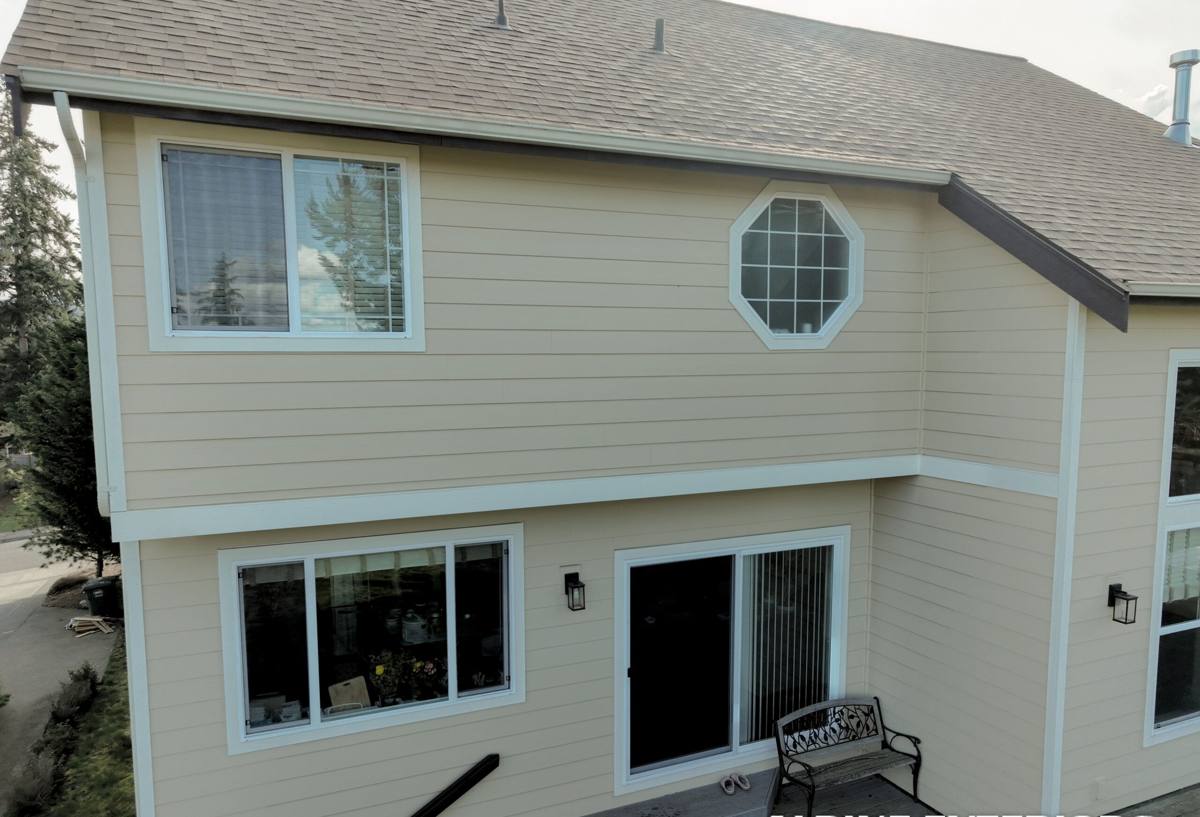
What Bellingham's Climate Does to a Roof Over Time
Three things drive most of the roofing problems we see in this part of Bellingham:
- Salt air: Being near the water means airborne salt settles on exposed metal, fasteners, and flashing. Over years, untreated or poorly coated metal can corrode faster than the same material would inland.
- Driving rain: Storms off the water often bring rain at an angle, which pushes water up under laps, around penetrations, and into any gap a standard installation might get away with in a calmer climate.
- Extended moss season: Cool, damp conditions for much of the year mean moss and algae get a long runway to establish themselves. On the wrong roofing material, moss holds moisture against the surface and shortens its life.
None of this makes metal roofing a bad choice for Silver Beach — it actually addresses two of these three problems well. But it means the installation details matter more here than they would in a milder or drier location.
Why Metal Roofing Holds Up Well in This Environment
Metal roofing has a real advantage over moss-prone materials: it doesn't give algae and moss the porous surface they need to take hold the way older asphalt shingles do. A smooth, properly coated metal surface sheds spores and debris more easily, and moss that does land on it has a harder time anchoring. That matters a lot in a climate where a roof spends much of the year damp.
Metal also handles driving rain well when the panel system and flashing details are correct, because water runs off quickly rather than sitting in valleys or against tab edges. The tradeoff is that metal roofing is less forgiving of installation mistakes than some other materials — a poorly flashed penetration or an undersized fastener leaks sooner and more obviously on a metal roof than it might on other systems. That's the honest tradeoff: metal rewards a correct installation and punishes a rushed one.
Where Salt Air Comes Into the Decision
Not all metal roofing handles salt exposure the same way. Coating quality and fastener material matter more here than they would twenty miles inland. We factor proximity to the water into the coating and hardware we recommend for a given home, rather than treating every metal roof in Whatcom County the same.
What a Correct Metal Roofing Installation Involves
A metal roof is a system, not just a set of panels. For a Silver Beach home, the parts that matter most are:
- Underlayment: A high-temperature, self-adhering underlayment at eaves, valleys, and penetrations, with synthetic underlayment across the field — not felt paper, which degrades faster under sustained moisture.
- Fasteners and clips: Corrosion-resistant fasteners matched to the panel material, sized and spaced to hold against wind-driven rain and gusts off the water, not just standard inland spacing.
- Flashing details: Properly formed and sealed flashing at every valley, wall transition, chimney, and vent penetration — this is where the majority of roof leaks actually start, on any roof type.
- Panel seams: Seam type and overlap suited to the roof's pitch and exposure, so wind-driven rain can't work its way upward under a lap during a storm.
- Ventilation: Balanced intake and exhaust ventilation so moisture from inside the home doesn't get trapped against the underside of the roof deck — critical in a climate that's damp outside for much of the year too.
Skipping or shortcutting any one of these is how a metal roof ends up with a leak in year three instead of performing for decades.
Panel Types: What We Consider for Silver Beach Homes
Not every metal panel profile is the right fit for every home. Here's how the two most common options compare for a coastal-influenced property like the ones in Silver Beach:
| Factor | Standing Seam Panels | Exposed Fastener Panels |
|---|---|---|
| Water resistance | Excellent — concealed fasteners, raised seams shed driving rain well | Good, but exposed fasteners are potential leak points over time |
| Salt air durability | Very good with quality coating; fewer exposed metal contact points | Fastener heads are exposed to salt air and need periodic inspection |
| Moss/algae resistance | Excellent — smooth panel, minimal seams for debris to catch on | Good, though exposed fastener rows can collect some debris |
| Upfront cost | Higher | Lower |
| Long-term maintenance | Lower — fewer components to monitor | Higher — fastener washers age and may need replacement over decades |
Both are legitimate options. The right one depends on the home's exposure, roof pitch, budget, and how long the homeowner plans to stay in the house. We walk through this tradeoff with every Silver Beach homeowner rather than defaulting to one system for every roof.
Our Process for a Silver Beach Metal Roofing Project
- On-site assessment: We look at the existing roof deck, ventilation, flashing points, and the home's specific exposure to wind and water direction — a house closer to open water gets evaluated differently than one set back and sheltered.
- System recommendation: Based on that assessment, we recommend a panel type, coating, and fastener package suited to the home, and explain the reasoning rather than just naming a product.
- Deck and moisture check: Before any new roofing goes down, we confirm the deck itself is sound and dry. Installing a metal roof over a compromised deck just traps the problem underneath it.
- Installation: Underlayment, panels, flashing, and ventilation are installed as a complete system, with particular attention to valleys, penetrations, and any wall transitions — the places where Bellingham's driving rain finds weak points.
- Final walkthrough: We review the completed roof with the homeowner, including what routine maintenance looks like going forward.
What Drives the Cost of a Metal Roof in This Area
| Cost Factor | Why It Matters Here |
|---|---|
| Roof pitch and complexity | Steeper roofs and more valleys/penetrations mean more flashing work and labor time |
| Panel type and coating | Higher-grade coatings for salt air exposure cost more upfront but reduce long-term corrosion risk |
| Deck condition | Moisture damage from a long moss season sometimes means deck repair is needed before new roofing goes on |
| Ventilation upgrades | Older homes often need intake/exhaust ventilation improved as part of the reroof |
| Tear-off vs. overlay | Full tear-off costs more but lets us properly inspect and repair the deck underneath |
We won't quote a metal roof off a phone call or a satellite photo. Pricing depends on what we actually find on the roof and in the attic, which is why every estimate starts with an in-person look.
Maintenance: What to Expect After Installation
A correctly installed metal roof is low-maintenance, not no-maintenance. In a climate with a long moss season and salt air, a bit of routine attention goes a long way:
- Keep gutters and valleys clear of needles and debris so water has a clear path off the roof
- Have the roof visually checked after major windstorms, especially ones with heavy rain off the water
- Watch for any moss or algae starting to establish on the north-facing or shaded sections of the roof
- Check exposed fasteners periodically if you have an exposed-fastener panel system
- Keep overhanging branches trimmed back so debris doesn't accumulate on the roof surface
Why Local Experience in Silver Beach Matters
A metal roofing crew that mostly works dry inland climates will size fasteners, choose coatings, and detail flashing the same way regardless of where the house sits. That approach doesn't hold up well against Bellingham's combination of salt air, driving rain, and a moss season that runs most of the year. Working regularly in Whatcom County, including neighborhoods like Silver Beach with real water exposure, means we size the system for the conditions the roof will actually face, not a generic spec sheet.
It also means we've seen how different parts of Bellingham weather differently — a roof set back from the water needs a different approach than one with direct exposure — and we adjust our recommendations accordingly instead of treating every job the same.
If you're weighing a metal roof for your Silver Beach home, we're happy to come take a look and walk you through the options honestly, including where a metal roof makes sense and where it might not be the right fit. There's no pressure and no cost for the estimate — just a straight assessment of your roof and what it needs.