 Bellingham Window
 Windows Built for the Puget Stretch of Bellingham
Homes along the Puget area of Bellingham sit close enough to the water and the tree line that their windows work harder than windows almost anywhere else in Whatcom County. Salt-laden air moves in off Puget Sound, driving rain comes in sideways during fall and winter storms, and long stretches of shade and damp keep moss and algae established on siding and trim for months at a time. Window replacement here isn't just a cosmetic upgrade — it's a chance to fix the water management, sealing, and hardware choices that determine whether a window lasts fifteen years or forty.
This page covers what Puget homeowners specifically need to know before replacing windows: what the local climate does to windows over time, what a correct installation actually involves, how our process works, and why hiring a crew that already understands this stretch of Bellingham matters more than it might in a drier, more sheltered part of the county.
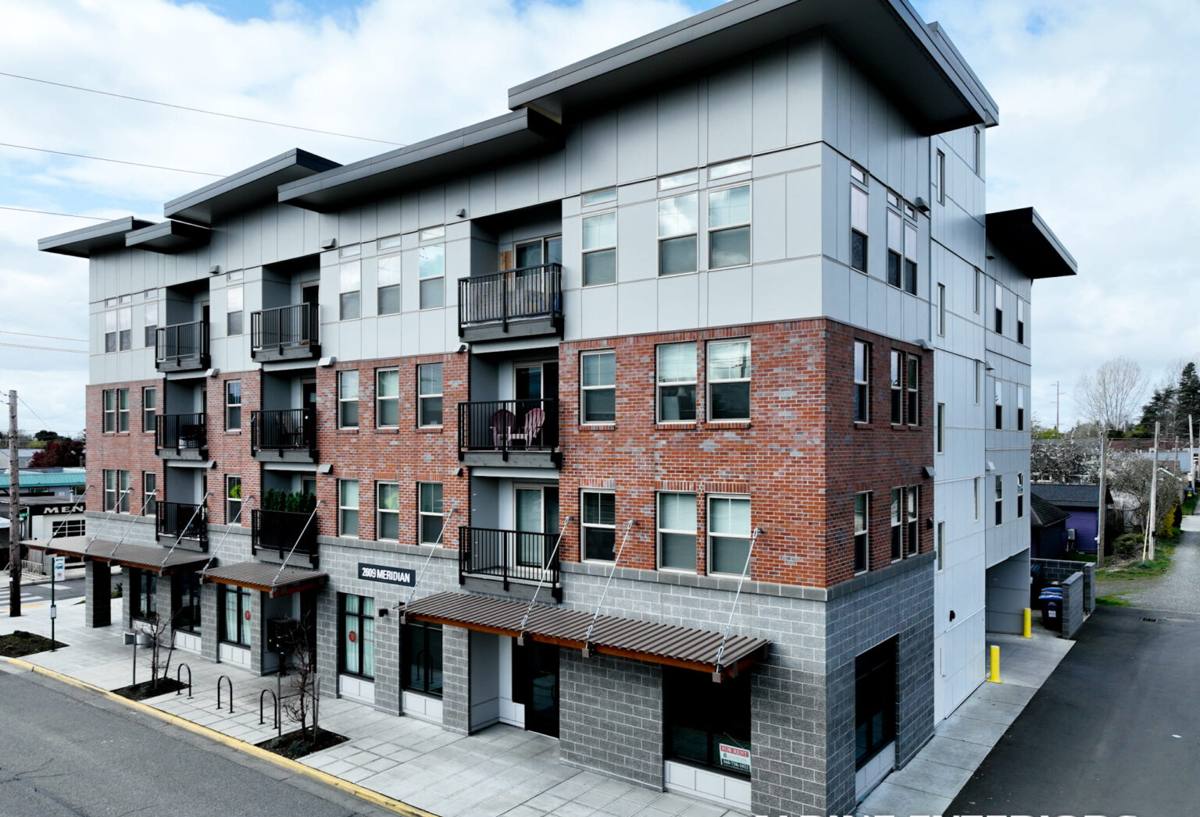
What Salt Air, Rain, and Moss Actually Do to Windows
Salt Air and Coastal Exposure
Airborne salt is corrosive to metal hardware — hinges, balances, locks, and screws — and it accelerates the breakdown of some sealants and finishes faster than manufacturers' standard warranty testing accounts for. Aluminum-clad and lower-grade vinyl components can show pitting, chalking, or stiff operation years before a comparable window would fail in an inland neighborhood.
Driving Rain and Wind-Driven Moisture
Bellingham's storms don't just fall straight down near the water — wind pushes rain sideways and up under trim, sills, and poorly lapped flashing. A window that would stay dry in a calm rain can still take on water when wind-driven moisture finds a gap in the flashing or a bad caulk line. This is one of the most common causes of hidden rot we find behind older windows in this area.
Moss, Shade, and Slow-Drying Surfaces
Many Puget-area lots have mature trees and northern or shaded exposures that keep siding and trim damp longer after every rain. That extended drying time is exactly what moss, mildew, and wood rot need to take hold. Around windows specifically, slow-drying trim traps moisture against the frame, which is why we see more localized rot at sills and lower corners here than in sunnier parts of Bellingham.
Signs Your Puget Home May Need Window Replacement
Not every problem window needs full replacement — but in this climate, small issues tend to compound quickly if the underlying water management is already compromised. Watch for:
- Soft, spongy, or discolored wood at the sill, jambs, or corners of the trim
- Windows that are difficult to open, close, or lock, especially after damp weather
- Visible fogging or moisture between panes of double-glazed glass
- Persistent moss or dark staining on the trim or siding directly around the frame
- Cold drafts near the window even with it fully closed and locked
- Peeling paint or bubbling finish concentrated around the window opening rather than the whole wall
- Noticeably higher heating bills compared to similar homes nearby
If you're seeing more than one of these on the same window, that's usually a sign the water intrusion has been ongoing rather than a one-time event.
What a Correct Window Replacement Job Involves
Removal and Inspection
Once the old window is out, we check the rough opening — sheathing, framing, and sill — for rot or soft spots before anything new goes in. In a climate where wind-driven rain is common, this step matters more than the window itself; installing a new window into a compromised opening just hides the problem for a few more years.
Flashing and Water Management
Correct flashing sequencing — sill pan first, then side flashing lapped over it, then head flashing lapped over the siding's water-resistive barrier — is what actually keeps wind-driven rain out. This is the step that separates a window that holds up through Bellingham winters from one that quietly rots the wall behind it.
Insulation and Air Sealing
The gap between the new window frame and the rough opening gets sealed with appropriate low-expansion foam or backer rod and sealant, not just stuffed with fiberglass. Done right, this cuts drafts and helps the window perform closer to its rated efficiency instead of losing heat around the frame.
Trim and Finish Work
Exterior trim gets reinstalled or replaced with attention to back-priming and caulking at every joint, since end grain and unsealed joints are where moss and rot typically start first in shaded, damp locations.
Choosing Materials for This Climate
Every major frame material can work in Bellingham, but they don't all hold up the same way under salt air and constant damp. Here's how the common options generally compare for coastal Whatcom County use:
| Frame Material | Salt Air / Moisture Resistance | Maintenance | Typical Lifespan |
|---|---|---|---|
| Vinyl | Good — won't corrode or rot, but lower-grade vinyl can become brittle with age | Low — occasional cleaning | 20–30 years, varies by product grade |
| Fiberglass | Very good — dimensionally stable, resists moisture and salt exposure well | Low | 30-plus years |
| Wood (unclad) | Weakest in this climate without diligent upkeep — prone to rot if finish is neglected | High — refinishing on a regular schedule | Highly dependent on maintenance |
| Wood with aluminum or fiberglass cladding | Good exterior protection with interior wood warmth, if cladding and flashing are installed correctly | Moderate | 25–35 years |
Our general standard for this area is to steer homeowners away from unclad wood exteriors and lower-grade vinyl unless there's a strong reason to use them — not because those products are inherently bad, but because their maintenance burden and moisture sensitivity are a poor match for a climate with this much sustained dampness and salt exposure. We're happy to walk through trade-offs on any product you're considering.
A Note on Glass
Double-pane, low-E glass is the practical standard here. In shaded, damp micro-climates like parts of Puget, low-E coatings also help reduce condensation on the interior glass surface during cold, humid stretches — a smaller but real comfort benefit on top of the energy savings.
Our Process for Puget Window Replacement Projects
- Site visit and assessment — we look at each window's exposure, current condition, and any signs of hidden moisture damage before quoting anything.
- Honest recommendation — full replacement where the opening or frame is compromised, repair where that's genuinely the better call.
- Written estimate — clear line items for materials, labor, and any trim or siding repair the job uncovers.
- Removal and opening inspection — old windows come out, and we check the rough opening before installing anything new.
- Installation with proper flashing and sealing — built for wind-driven rain, not just a calm-day install.
- Finish work and walkthrough — trim, paint or caulk lines finished, and operation checked with you before we call it done.
Full Replacement vs. Repair: Making the Right Call
Not every window on a Puget home needs to come out. If the frame and rough opening are sound and the issue is limited to hardware, weatherstripping, or a failed glass seal, repair or component replacement can be the more honest, cost-effective answer. Full replacement makes sense when the frame itself is deteriorating, when there's rot in the surrounding structure, or when the window is old enough that efficiency and hardware wear are both working against you at once.
As a broad guide, many homeowners in this area see installed costs somewhere in the range of roughly $600 to $1,400 per window depending on size, frame material, glass package, and whether any trim or sheathing repair is needed — larger or specialty shapes run higher. We'll always give you specifics for your actual windows rather than a generic number, but that range is a reasonable starting point for budgeting.
Why a Crew That Already Works in Puget Matters
A contractor who regularly works this part of Bellingham has already seen how wind-driven rain finds gaps in flashing, how quickly shaded trim holds moisture, and which hardware and sealant choices actually hold up to salt air rather than just performing well in a showroom. That familiarity shows up in small decisions — sill pan details, caulk selection, how tightly trim gets sealed at end grain — that matter more here than they would in a drier inland neighborhood. It also means fewer surprises once the old window comes off the wall, because we've generally seen the failure patterns before.
We also stand behind the work with a clear scope and warranty terms explained up front, in writing, before any work begins — no vague verbal promises.
Maintenance That Extends the Life of New Windows
New windows still need some upkeep in this climate, especially in shaded or salt-exposed spots:
- Rinse accumulated salt residue and grime off frames and glass a few times a year
- Keep gutters and downspouts clear so overflow isn't running down onto window trim
- Trim back vegetation that keeps trim shaded and slow to dry
- Check caulk lines annually and touch up before small gaps become water paths
- Operate hardware periodically through the winter so moving parts don't seize
A few minutes of seasonal attention goes a long way toward getting the full lifespan out of a new installation in this environment.
If your Puget-area home has windows showing any of the signs above, or you're just ready to stop fighting drafts and moisture every winter, we're glad to take a look. Reach out for a free, no-pressure estimate — use the form below to get started.