 Bellingham Window
 Silver Beach Roofs Face a Tougher Climate Than Most
Silver Beach homes sit in one of the more demanding microclimates in Whatcom County. Salt-laden marine air moves through the area for much of the year, driving rain comes in sideways during winter storms, and the combination of shade, moisture, and mild temperatures adds up to one of the longest moss seasons in western Washington. None of that is a problem on its own. It becomes a problem when a roof already has a small weak point — a lifted shingle tab, a gap at a flashing seam, a clogged valley — and the weather finds it before a homeowner does.
A roof repair in this neighborhood isn't just "patch the leak and move on." Done right, it accounts for what got the roof into trouble in the first place, so the same spot doesn't fail again next winter. That's the difference between a repair that lasts and one you're paying for twice.
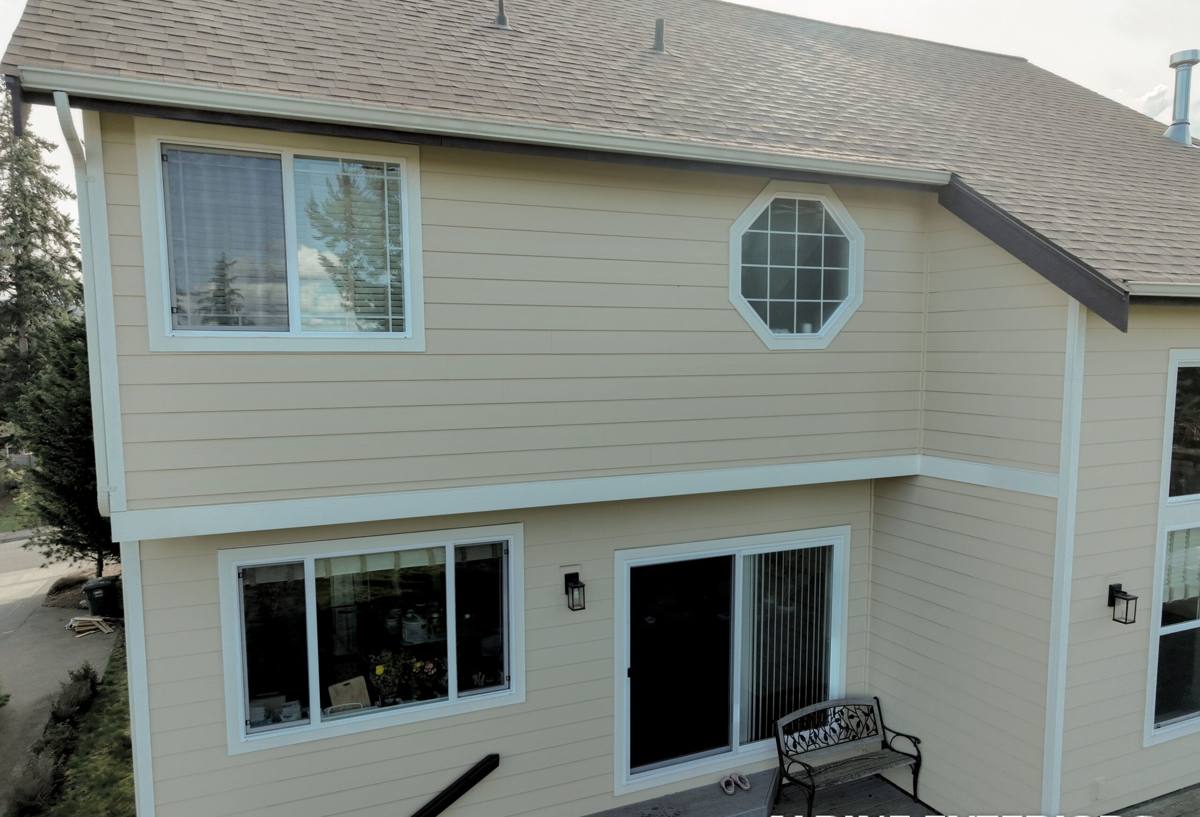
Signs a Silver Beach Roof Needs Repair
Most roof problems here show themselves gradually, not as a sudden hole in the ceiling. Homeowners who catch these signs early almost always end up with a smaller, cheaper repair than those who wait.
- Dark streaking or thick moss buildup on north-facing slopes or anywhere shaded by trees
- Granules collecting in gutters or at the base of downspouts — a sign shingles are wearing thin
- Curling, cracked, or missing shingle tabs, especially after a windstorm
- Soft or discolored patches on interior ceilings, particularly near chimneys, skylights, or where two roof planes meet
- Visible daylight or water staining in the attic around vents, pipe boots, or roof-to-wall junctions
- Sagging or spongy spots when walking the roofline (a sign of decking damage, not just a surface issue)
- Rusted, lifted, or caulk-patched flashing around chimneys and valleys
Any one of these on its own might not mean an emergency. Two or three together, especially heading into the wet season, usually means it's time to have someone look before the next round of storms.
What a Correct Roof Repair Actually Involves
A repair that holds up in this climate goes past the visible symptom and checks the systems around it. Here's what that looks like in practice.
Flashing Comes First
Most leaks we're called out for in this area trace back to flashing, not shingles. Flashing is the metal that seals transitions — chimneys, skylights, sidewalls, valleys — and it's where driving rain finds its way in. A proper repair re-beds or replaces damaged flashing rather than smearing caulk over the gap, which is a common shortcut that fails again within a season or two.
Underlayment and Decking
If water has been getting past the surface layer for a while, the underlayment beneath the shingles and the wood decking underneath that can both be compromised. A repair that only replaces surface shingles over damaged decking is covering up a problem, not fixing it. Any soft or delaminated decking needs to come out and be replaced before new material goes down.
Moss and Organic Debris
Moss doesn't just look bad — it holds moisture against the roof surface and works its way under shingle edges, which lifts them and lets water in underneath. A correct repair removes moss and debris from the work area (not just the failure point), treats the surface to slow regrowth, and checks nearby areas for the same lifting pattern before calling the job done.
Ventilation
Poor attic ventilation traps moisture from the inside, which accelerates decking rot and can mimic or worsen a roof leak from below. Part of a thorough repair visit is checking that intake and exhaust vents are clear and functioning — an easy thing to overlook, and a common reason a "fixed" leak keeps recurring.
Repair Types, Scope, and What Drives the Cost
Every roof and every leak is different, but most repair calls in Silver Beach fall into a few categories. This gives a general sense of scope — an actual quote depends on what we find once we're up there.
| Repair Type | Typical Scope | Main Cost Factors |
|---|---|---|
| Flashing repair/replacement | Chimney, skylight, valley, or sidewall flashing re-sealed or replaced | Roof pitch, number of penetrations, metal vs. rubberized materials |
| Shingle section replacement | Localized area of damaged, missing, or wind-lifted shingles | Shingle age/availability for color match, size of affected area |
| Decking repair | Removal and replacement of rotted or soft plywood/OSB sheathing | Extent of hidden water damage, accessibility |
| Moss removal and treatment | Manual removal, low-pressure cleaning, protective treatment | Roof size, moss severity, number of shaded/north-facing slopes |
| Ventilation correction | Clearing or adding intake/exhaust vents | Current attic setup, whether new vent penetrations are needed |
As a very rough starting point, small flashing or shingle repairs on a straightforward roof often run in the low hundreds of dollars, while jobs involving decking replacement or multiple problem areas climb from there. We give a firm number after inspecting the actual roof — we don't quote sight-unseen over the phone.
Our Repair Process
1. Inspection
We walk the roof (weather permitting) and check the attic from inside, looking not just at the reported problem area but at flashing, valleys, vent boots, and moss buildup across the whole roof. A leak at one spot often has a related weak point nearby that hasn't failed yet.
2. A Written, Itemized Estimate
Before any work starts, you get a clear breakdown of what needs to be done and why — not a vague lump sum. If we find something during inspection that wasn't part of the original call, we explain it and get your go-ahead before touching it.
3. The Repair
We match materials as closely as possible to your existing roof, replace anything compromised (not just the visible symptom), and re-seal or replace flashing to manufacturer specification rather than relying on sealant alone.
4. Cleanup and a Final Check
Job site is cleared of debris, nails, and old material. We do a final check of the repair area and surrounding sections before we consider the job complete, and we're straightforward with you if we notice something else worth keeping an eye on.
Why It Matters to Hire a Crew That Already Works Silver Beach
Roof repair isn't a one-size-fits-all trade. A crew that mostly works drier inland climates can do fine work and still misjudge how aggressively moss will return on a shaded, moisture-heavy roof, or underestimate how much driving rain will test a flashing repair that would hold up fine somewhere with less wind-driven weather. Working regularly in Bellingham and greater Whatcom County means we've seen how roofs here actually age and fail over multiple wet seasons, not just how they look on a dry inspection day.
It also means faster response. A leak that shows up during a winter storm needs someone who can get out to Silver Beach without a long drive across the county, and who already understands the neighborhood's typical roof ages, common construction, and the kind of tree cover that drives moss growth in different pockets of the area.
Keeping Moss and Water Damage From Coming Back
A good repair buys you time, but a few habits stretch that time considerably in this climate:
- Clear gutters and downspouts at least twice a year — clogged gutters back water up under the roof edge
- Trim back tree limbs that shade the roof and drop debris, since shade and debris are what feed moss
- Have moss treated before it's thick enough to visibly lift shingle edges, not after
- Check attic ventilation isn't blocked by insulation or storage
- Schedule a roof check after any major windstorm, even if nothing looks obviously wrong from the ground
When a Repair Isn't the Right Answer
Not every roof problem should be patched. If a roof has multiple failing sections, widespread decking damage, or is well past its expected service life, repeated small repairs can end up costing more over a few years than doing the job once. Part of an honest inspection is telling you plainly if that's where your roof is at, rather than selling repair after repair on a roof that needs to be replaced. Most of the time in Silver Beach, though, a well-executed repair on a roof that's otherwise sound is the right call — and it's usually a fraction of the cost of replacement.
If you're dealing with a leak, moss buildup, or storm damage on a Silver Beach home, we're glad to take a look and give you a straight answer along with a free, no-pressure estimate. Use the form below to get started.