 Bellingham Window
 Windows Built for South Hill's Exposure
South Hill sits up on the slope above downtown Bellingham, and that elevation is a mixed blessing. The views are part of why people love living there, but that same exposure means homes take a steadier beating from wind-driven rain coming off the water and from the salt-laden air that settles over Whatcom County's coastline. Add in the deep shade from mature trees on many South Hill lots, and you get a moss season that runs longer than it does in more open, sun-exposed parts of the county. All three of those factors — wind, salt, and moss — show up first at the windows, because window assemblies are where a house's exterior skin has the most seams, joints, and moving parts.
Custom windows done right in this neighborhood aren't just about picking a style you like. They're about choosing materials and installation details that hold up to repeated wetting and drying cycles, resist the slow corrosion that salt air causes in hardware and fasteners, and shed water fast enough that moss and algae don't get the standing moisture they need to take hold on sills and frames.
What South Hill Homes Specifically Need
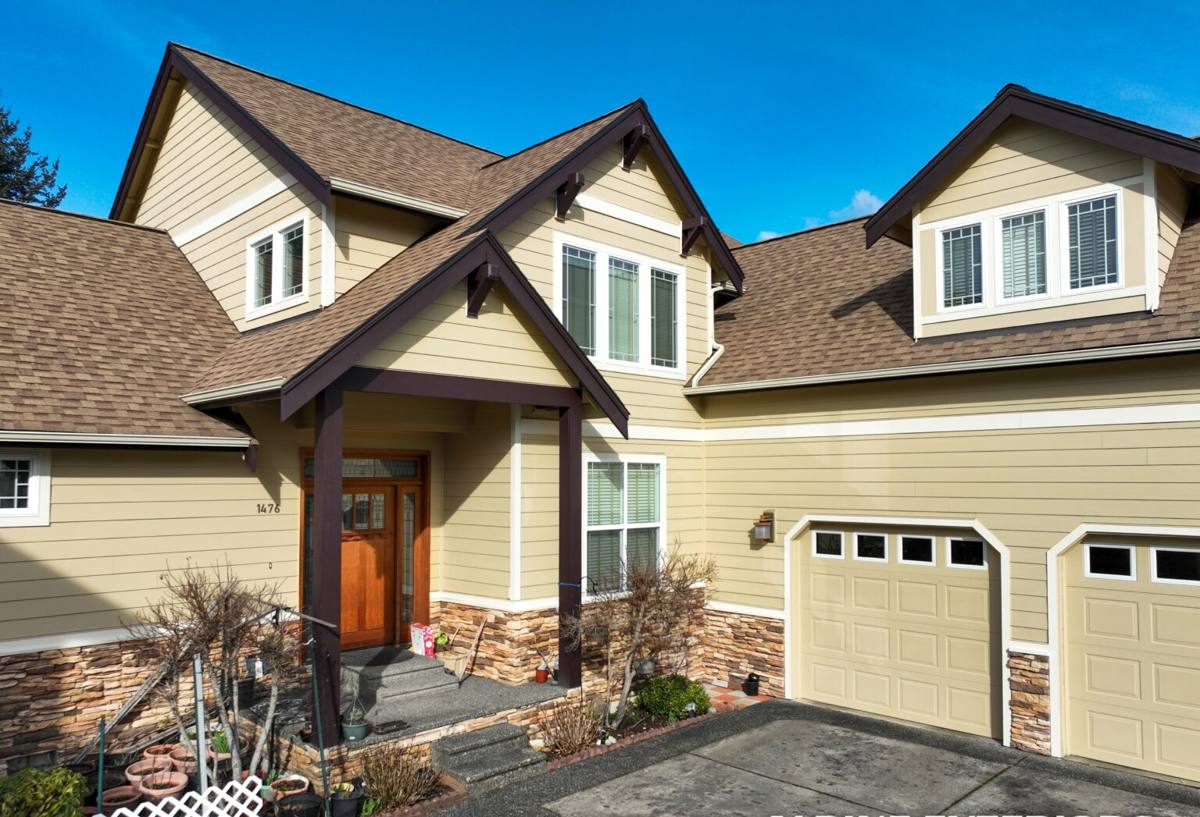
Many homes in South Hill are older, established houses, which means original window openings, settled framing, and in some cases trim and siding details that a stock replacement window won't match without extra fabrication. Custom sizing and custom trim profiles matter here in a way they wouldn't in a newer subdivision with standardized rough openings.
Because the neighborhood sits on a slope, drainage around foundations and window wells can behave differently than on flat lots — water finds a path, and if your window's flashing and sill pan aren't installed to shed it away from the wall assembly, that water works its way into the framing over time. That's a slower, quieter kind of damage than a leak you'd notice right away, which is exactly why it's so common in older homes: nobody sees it until trim starts to soften or paint starts to bubble.
- Frames and cladding that resist salt-air corrosion at hinges, locks, and cranks
- Sill pans and flashing detailed to shed water on a sloped, tree-shaded lot
- Glazing packages that cut heat loss during Bellingham's long wet season
- Trim and casing that match an older home's existing exterior lines
- Finishes and hardware that don't need constant upkeep to fight moss and mildew staining
Signs Your South Hill Windows Need Attention
Before jumping to full replacement, it's worth knowing what to actually look for. Not every issue means new windows — sometimes it's a resealing job or hardware repair. Walk your exterior on a wet day if you can, since that's when problems show themselves.
- Moss or dark green streaking building up on sills, especially on north- or shade-facing walls
- Paint or finish peeling and bubbling around the frame, not just the glass
- Visible gaps between the window frame and trim, or daylight around the sash when closed
- Persistent condensation between panes (a sign the seal has failed on a double- or triple-pane unit)
- Drafts you can feel at the frame even with the window latched shut
- Wood trim that feels soft or spongy when pressed, particularly at the bottom corners
If you're seeing more than one or two of these, it's worth having someone take a real look rather than patching around the symptoms year after year.
What a Correct Installation Actually Involves
Removal and opening prep
Old windows come out carefully so we can inspect the rough opening underneath — this is where hidden rot or old water damage usually turns up, and it needs to be dealt with before anything new goes in. On a hillside lot with tree cover, it's not unusual to find some degree of moisture staining even on a house that looked fine from outside.
Flashing and drainage
This is the step that determines whether a window lasts 10 years or 30 in this climate. A proper sill pan, correctly lapped house wrap, and flashing tape at the head and jambs give water a deliberate path out and away from the framing, instead of hoping caulk alone will keep it out forever. Caulk fails. Good flashing doesn't depend on it.
Fit, shimming, and fastening
Custom units are shimmed level and plumb, fastened per the manufacturer's pattern, and checked for square before insulation and trim go back on. A window that's slightly racked in the opening will bind, leak, or wear out its hardware early — none of which shows up on day one.
Insulation and interior/exterior sealing
Low-expansion foam or backer rod and sealant fill the gap between the frame and the rough opening without bowing the frame inward. Exterior sealant joints are tooled properly rather than just smeared on, since a sloppy bead is one of the first things to fail under repeated rain.
Trim and finish
Exterior trim gets back-primed or back-sealed on cut ends before installation — the ends of trim boards are where most exterior wood failure starts, and it's an easy step to skip if a crew is moving fast.
Comparing Common Window Materials for This Climate
| Material | How It Handles Salt Air & Moisture | Upkeep | Best Fit |
|---|---|---|---|
| Vinyl | Won't corrode or rot; performs well long-term | Low — occasional cleaning | Budget-conscious replacements, rear or side elevations |
| Fiberglass | Very stable in wet/dry cycling; strong moisture resistance | Low | Larger custom sizes, exposed or view-facing walls |
| Wood (with proper finish) | Classic look but needs a maintained exterior finish to resist rot | High — periodic refinishing required | Historic-character homes where matching original trim matters most |
| Wood-clad (wood interior, metal or vinyl exterior) | Exterior cladding shields the wood from weather | Moderate | Homes wanting a wood interior look without full wood maintenance |
| Aluminum | Prone to corrosion near salt air unless heavily coated; conducts cold | Moderate to high | Rarely our first recommendation for this specific exposure |
We'll walk through these trade-offs against your home's actual exposure — a wall that catches the prevailing wind and rain off the water needs a different answer than a sheltered, tree-shaded elevation on the same house.
How We Work in South Hill
- On-site assessment — we look at each opening individually, not just the house as a whole, since exposure can vary wall to wall on a sloped lot.
- Custom measurement and material selection — sized to your actual openings, with material and glazing recommendations based on which direction that wall faces and how much shade it gets.
- Written estimate — a clear breakdown of materials, labor, and what's included, no vague allowances.
- Installation — proper flashing and drainage detailing as described above, done in a sequence that keeps your home weather-tight at every stage, not just at the end.
- Final walkthrough — we check operation, seals, and trim with you before we call the job done.
Cost Factors to Expect
| Factor | Why It Matters Here |
|---|---|
| Number and size of openings | Larger or custom-shaped units cost more to fabricate and install correctly |
| Material choice | Vinyl is typically the most budget-friendly; fiberglass and wood-clad cost more upfront |
| Condition of the rough opening | Hidden rot or water damage found during removal adds repair scope |
| Trim and exterior match | Matching existing trim profiles on an older home takes more labor than a stock trim wrap |
| Access and elevation | Upper-story or steep-lot access can affect staging and labor time |
We don't quote a flat per-window rate over the phone, because the honest number depends on what we find at your specific openings. A broad, general range for a well-executed custom window replacement runs from a few hundred dollars per opening for straightforward vinyl swaps to well into four figures per opening for larger custom or wood-clad units — the estimate visit is what turns that range into a real number for your house.
Why a Crew That Already Works in South Hill Matters
A contractor who works this neighborhood regularly already has a feel for how its older housing stock is put together, how the slope affects drainage around a given foundation, and how much shade and moss exposure a particular block tends to get. That's not something you can fully substitute with a generic checklist — it's pattern recognition built from being on these roofs and walls repeatedly. It also means we're not guessing at how Whatcom County's wet season behaves on a hillside lot versus a flat one; we've seen both, and we detail the work differently depending on which one your home is.
Keeping New Windows Performing Long-Term
Even a well-installed window needs a little seasonal attention in this climate. Clear debris and moss buildup from sills before it can hold moisture against the frame. Check exterior caulk lines once a year, ideally before the wet season sets in, and touch up any spots that have cracked or pulled away. If you have operable hardware, a light annual lubrication keeps cranks and locks from seizing up under salt-air corrosion. None of this takes long, but skipping it is how a 30-year window turns into a 15-year window.
If you're weighing repair versus replacement, or just want an honest read on what your South Hill home's windows actually need, we're glad to take a look. Use the form below to request a free, no-pressure estimate — we'll walk the property, answer your questions, and give you a straight assessment either way.