 Bellingham Window
 Why Siding Takes More Punishment in Sudden Valley
Sudden Valley sits back in the trees along Lake Whatcom, southeast of Bellingham, and that setting is beautiful right up until you look closely at a home's exterior. Wooded lots mean shade that lingers most of the day, and shade means siding stays damp long after a storm has passed elsewhere in Whatcom County. Add in the driving rain that rolls through this part of the Pacific Northwest for months at a stretch, and you have a recipe for the north- and west-facing walls of a house to spend a good chunk of the year holding moisture against the siding surface.
Across the broader Bellingham area, homes also deal with salt-tinged marine air off the Sound working its way inland, which slowly degrades paint films and accelerates corrosion on fasteners and trim that aren't rated for it. Sudden Valley's specific twist is the tree canopy and lake-adjacent humidity — conditions that turn a long regional moss season into a genuinely aggressive one on shaded roof lines and lower wall sections. Siding here isn't just cosmetic. It's the first line of defense against a climate that stays wet, shaded, and mossy for a large part of the year.
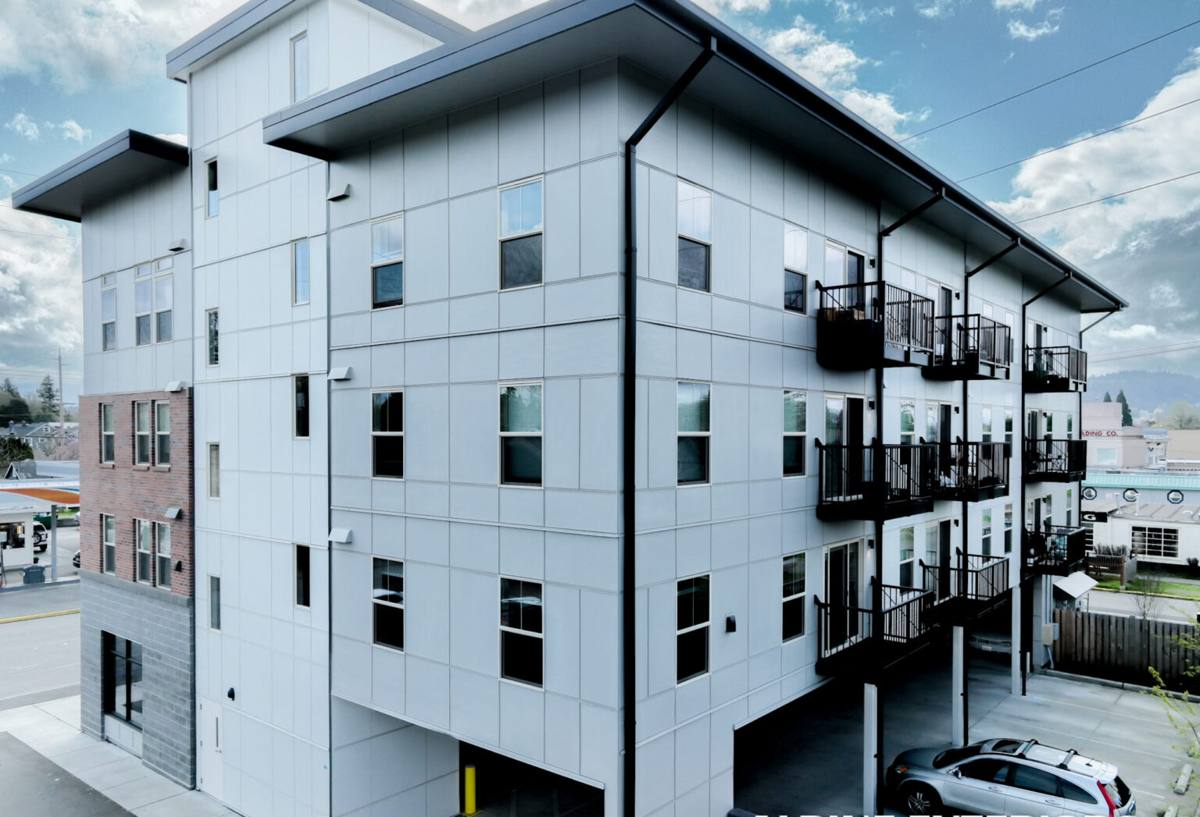
What James Hardie Actually Solves for This Setting
Fiber cement doesn't rot, and it doesn't feed mold or moss the way wood-based products can when organic material builds up in a shaded, damp spot. James Hardie's HZ5 product line is engineered specifically for climates like ours — freeze-thaw cycles, extended damp periods, and high humidity — which matters more in a tree-shaded lake community than it does on an open, sun-exposed lot in a drier part of the state.
The other piece is the factory-applied ColorPlus finish. It's baked on under controlled conditions rather than rolled or sprayed on site, which means better adhesion and a finish that holds its color and resists the kind of moss staining that dulls field-painted siding faster in shaded areas. That combination — a non-combustible substrate that won't rot, matched with a finish built to hold up in damp shade — is why we standardized on this product instead of offering a mix of materials.
Non-Combustible Matters Here Too
Whatcom County isn't immune to wildfire risk, and homes tucked into tree-lined lots like many in Sudden Valley benefit from a siding material that doesn't add fuel to the wall assembly. Fiber cement is non-combustible by nature, which is a real, practical advantage over wood-based or vinyl siding in a wooded setting, independent of the moisture argument.
What a Correct Installation Actually Involves
James Hardie siding performs the way it's engineered to only when it goes on correctly. A lot of the problems we see on older homes trace back not to the material but to installation shortcuts — and those shortcuts show up faster in a shaded, damp environment like Sudden Valley than they would somewhere drier.
Clearances and Flashing
Hardie's own installation guidelines call for specific clearances above roof lines, decks, and grade, plus proper flashing at every window, door, and penetration. Skip those clearances and you're inviting standing moisture right at the bottom edge of the board — exactly the spot where moss and mildew take hold first in a shaded lot.
Fastening
Corrosion-resistant fasteners, driven correctly (not overdriven, not underdriven), at the right spacing, are non-negotiable given the marine-influenced air across the region. Overdriven nails crack the board's fiber cement face over time; underdriven ones let the board move and open gaps at the joints.
Moisture Management Behind the Board
A weather-resistive barrier, correctly lapped, and a rainscreen gap where conditions call for it, give any bulk water that gets past the siding a way to drain and dry instead of sitting against the sheathing. On a shaded lot near the lake, this drainage plane is doing real work most of the year, not just during the occasional heavy storm.
Local Factors We Watch For in Sudden Valley
Every neighborhood has its own quirks, and a crew that's worked Sudden Valley homes before knows to plan around a few of them:
- Heavy tree cover on many lots keeps roofs, gutters, and lower siding courses wet and shaded well after rain elsewhere has dried up.
- Roof and gutter runoff patterns matter more here — poorly directed water concentrates moisture at specific wall sections instead of spreading out.
- Moss and algae growth on north-facing walls and near ground level needs to be planned for at the design stage, not just cleaned up after the fact.
- Sudden Valley is a private community with its own roads and property owners' association, so scheduling, site access, and any exterior-change notifications need to be handled properly and on time.
- Driveways and lots graded for a wooded, lakeside setting sometimes call for extra care in material staging and site protection during tear-off.
How Our Process Works
Assessment
We start by walking the exterior and identifying moisture-prone areas — shaded walls, sections under heavy tree cover, spots where old caulking or trim have already failed. This tells us where extra attention to flashing and drainage detail will matter most.
Prep and Tear-Off
Old siding comes off down to the sheathing so we can actually see what's underneath. Any water-damaged sheathing or framing gets addressed before a single new board goes up — covering over a hidden problem just locks in the next failure.
Weather Barrier and Install
We install the weather-resistive barrier and rainscreen detailing appropriate to the wall, then install the Hardie boards to manufacturer clearance and fastening specifications, with attention to how each wall's exposure and shade pattern affects long-term moisture behavior.
Trim, Caulk, and Finish
Trim and joints get sealed with products rated for the exposure, and we double-check flashing at every window, door, and penetration before calling the job done.
Walkthrough
We go over the finished work with the homeowner, point out what maintenance to expect given the site's shade and tree cover, and answer questions before we consider the job complete.
James Hardie Compared to Other Siding Options in This Climate
| Material | Behavior in Shade & Damp | Moss/Algae Resistance | Long-Term Maintenance |
|---|---|---|---|
| James Hardie Fiber Cement (HZ5, ColorPlus) | Won't rot; factory finish resists moisture staining | Doesn't feed organic growth; finish sheds it better than field-painted surfaces | Periodic wash-down; repaint only if desired, not required for protection |
| Cedar / Primed Wood | Absorbs moisture in shaded spots; prone to swelling and rot over time | Organic material feeds moss and mildew directly | Regular repainting/staining and moisture monitoring required |
| Vinyl | Doesn't rot, but can warp, and traps moisture behind it if not detailed correctly | Moss and algae still cling to the surface, especially in shaded areas | Low upkeep on the material itself, but panel and trim failures are hard to spot-repair invisibly |
| LP SmartSide (Engineered Wood) | Wood-based substrate is more moisture-sensitive than fiber cement in prolonged damp shade | More susceptible to organic growth than fiber cement | Manufacturer maintenance requirements are stricter to preserve warranty coverage |
What to Ask Before Hiring a Siding Crew in Sudden Valley
- Have they installed James Hardie siding on homes with similar tree cover and shade exposure, not just in open, sunny locations?
- Will they show you the flashing and clearance details they plan to use at windows, doors, and the roofline?
- Do they follow James Hardie's published fastening and clearance specifications, and can they explain why those specs exist?
- Are they familiar with Sudden Valley's private roads, community access, and any notification steps required for exterior work?
- Will they address existing moss, staining, or water damage as part of the job, or just cover it up with new siding?
- What does their warranty cover on labor, separate from James Hardie's own product warranty?
Caring for Your Siding After Installation
James Hardie siding installed correctly is genuinely low-maintenance, but "low-maintenance" isn't "no-maintenance," especially on a shaded, tree-covered lot. An occasional gentle wash-down keeps moss and algae from getting a foothold on north-facing or heavily shaded walls. Keeping gutters clear and tree branches trimmed back from the siding reduces the amount of standing moisture and organic debris that collects against the wall. Caulking at trim joints should be checked periodically, since caulk — not the fiber cement itself — is usually the first thing to age out in a damp climate.
Why a Crew That Already Works Sudden Valley Matters
A siding job done right on a shaded, lakeside lot in Sudden Valley looks a lot like a siding job done right anywhere else — until you check the details a few years later. The clearances, the flashing, the fastening, and the drainage plane behind the board are what determine whether a home stays ahead of the moss and moisture or starts fighting them within a couple of seasons. A crew that has already worked this neighborhood knows which walls tend to stay damp longest, how the tree cover changes the maintenance conversation, and how to navigate the community's own access and process requirements without it becoming a headache for the homeowner.
If you're weighing a siding project for a Sudden Valley home, we're happy to walk the property, point out what your specific site's shade and moisture exposure mean for the job, and put together a free, no-pressure estimate — no obligation either way.