 Bellingham Window
 Windows Built for Sudden Valley's Climate
Sudden Valley sits in the trees along Lake Whatcom, southeast of Bellingham, and that setting shapes what a window has to survive here. Whatcom County's marine climate brings long stretches of driving rain off the Sound, heavy tree cover that keeps siding and trim damp longer than it would in open sun, and a moss season that can run most of the year on north-facing walls. Add the humidity that collects around a lake, and you have conditions that punish a poorly sealed or poorly flashed window faster than almost anywhere else in the region.
None of that means Sudden Valley homes need exotic products. It means the installation has to be done correctly — proper flashing, proper sealant, proper attention to how water moves across a wall — because a window that's "close enough" in a drier climate will fail here years sooner.
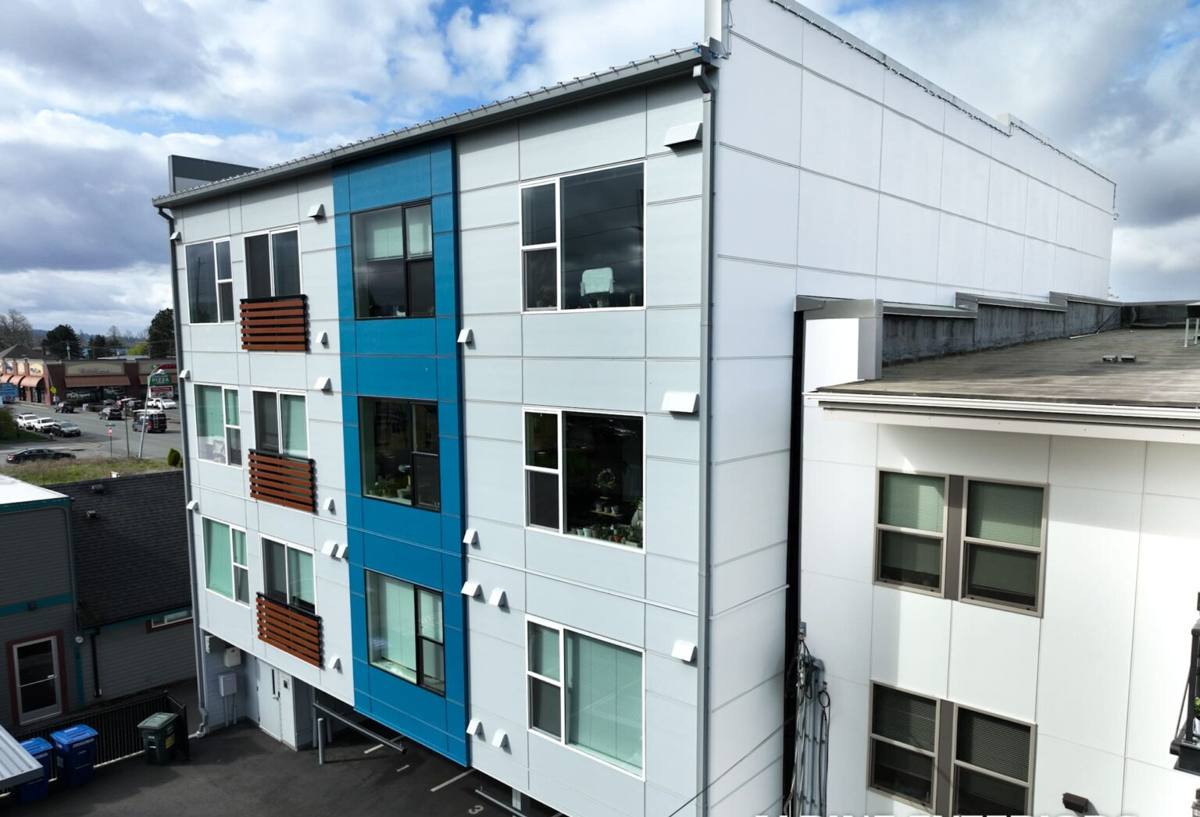
Why Wooded, Lake-Adjacent Lots Are Harder on Windows
Homes tucked under tree canopy dry out slower after every rain. Shade keeps siding, trim, and window sills damp for hours or days longer than a sun-exposed wall, which gives moss, algae, and wood rot more time to take hold around window openings. Lake proximity adds ambient humidity on top of that, so even siding that looks dry to the touch can be holding moisture against the window frame underneath.
This matters most at the transition points — where the window meets the siding, the sill, and the flashing above the opening. If those details aren't sealed and shingled correctly during installation, water finds its way behind the trim and into the wall sheathing, and by the time it shows up as a soft spot or a stain, real damage has usually already happened.
What We See Most Often in This Neighborhood
- Moss and algae buildup on sills and lower sashes from constant shade
- Wood rot at the bottom corners of older wood-frame windows
- Fogged or failed double-pane glass from age and constant humidity cycling
- Soft or stained trim boards where old caulk has cracked and let water behind it
- Drafts around single-pane or original-builder windows that were never upgraded
Signs a Sudden Valley Home Needs Window Replacement
Not every problem window needs full replacement — sometimes it's a caulking or flashing repair. But there are signs that point specifically to replacement rather than patching:
- Visible fogging or moisture trapped between panes (the seal has failed and can't be repaired)
- Wood that's soft, spongy, or crumbling at the sill or bottom corners
- Windows that won't stay open, won't latch, or have warped out of square
- Persistent drafts even after re-caulking
- Visible daylight or gaps around the frame when the window is closed
- Condensation forming on the inside of the glass regularly through fall and winter
If you're seeing two or more of these on the same window, replacement is usually the more cost-effective call than continuing to patch a frame that's already compromised.
What a Correct Installation Actually Involves
The window unit itself is only part of the job. In a climate like ours, the installation details around the window matter as much as the product:
- Removal without damage: pulling the old window and trim carefully so we can inspect the framing and sheathing underneath before anything new goes in
- Rot and damage repair: if we find soft wood or water-damaged sheathing at the opening — common on shaded walls — it gets repaired before the new window is set, not covered over
- Proper flashing sequence: flashing tape and building paper installed in the correct shingle-lap order so water is directed out and down, never trapped behind the window
- Sill pan protection: a sloped, sealed sill pan under the window so any water that does get past the exterior seal drains outward instead of pooling against the frame
- Air sealing and insulation: low-expansion foam or backer rod around the perimeter to stop drafts without bowing the frame
- Exterior sealant: a proper bead of quality sealant at all the right joints — and only the right joints, since sealing the wrong spot can trap moisture instead of shedding it
- Trim and finish work: exterior trim reinstalled or replaced cleanly, with attention to how it sheds water off the top and sides of the opening
Skip any one of these steps and the window can look fine for a year or two while water quietly works its way into the wall behind it. This is the part of the job that separates a lasting installation from one that causes problems down the road.
Choosing Window Materials for This Setting
There's no single "best" window material — the right choice depends on the wall, the exposure, and the budget. Here's how the common options hold up specifically in a shaded, high-moisture setting like Sudden Valley:
| Frame Material | How It Handles Our Climate | Maintenance |
|---|---|---|
| Vinyl | Won't rot; performs well in constant moisture and shade; good value | Low — occasional cleaning |
| Fiberglass | Very stable in temperature and humidity swings; strong long-term seal integrity | Low |
| Wood-clad | Attractive exterior cladding protects the wood, but any breach in the cladding lets moisture reach the wood core | Higher — cladding and interior wood need periodic inspection |
| Solid wood | Classic look but least tolerant of our shade-and-rain cycle without diligent upkeep | Highest — regular painting and sealing required |
For heavily shaded, tree-covered lots, we lean toward recommending vinyl or fiberglass for their resistance to the constant damp-dry cycle. That's a maintenance and moisture-behavior recommendation, not a knock on wood windows generally — a well-maintained wood-clad window can last for decades, but it demands more attention on a lot like this than it would on an open, sun-exposed one.
Our Installation Process
- On-site assessment: we look at every window being replaced, check the surrounding trim and sheathing condition, and measure for exact fit
- Written estimate: clear pricing broken out by window, with product options explained honestly
- Scheduling: we plan around the weather — in this climate, timing the removal-to-install window matters
- Removal and inspection: old units come out, framing gets checked and repaired as needed
- Installation: flashing, sill pan, insulation, and the new window set to level, plumb, and square
- Exterior finish: trim and sealant completed to shed water correctly
- Walkthrough: we test operation on every window and walk you through anything you should know about care going forward
What Affects the Cost
Every home is different, but the main cost drivers on a Sudden Valley window job are usually the same handful of factors:
| Factor | Why It Matters |
|---|---|
| Number of windows | Per-window cost typically drops with larger jobs |
| Frame material | Vinyl is generally the most affordable; fiberglass and wood-clad cost more upfront |
| Rot or damage repair | Soft framing or sheathing found during removal adds labor and material |
| Window size and type | Large picture windows, bays, and custom shapes cost more than standard sliders or double-hungs |
| Access and site conditions | Steep or difficult access on wooded lots can add setup time |
We give firm, written pricing after seeing the actual windows and framing — not a rough number over the phone — because hidden rot behind an old window is common enough on shaded walls that it's worth checking before quoting.
Why It Matters Who You Hire
Window installation looks straightforward from the outside, but the flashing and sealing details are what determine whether a window lasts fifteen years or thirty in a climate like this. A crew that regularly works Whatcom County homes — and specifically shaded, lake-adjacent neighborhoods like Sudden Valley — has already seen how moss, driving rain, and constant shade behave against a wall, and builds the installation around that reality instead of a generic checklist.
That local experience shows up in small decisions: which side of the flashing gets sealed and which doesn't, how much slope the sill pan needs, where rot is most likely hiding under old trim. Those aren't things you learn from a manual — they're things you learn from doing the work in this specific climate, on this specific kind of lot, over and over.
Living With New Windows Through Moss Season
A correctly installed window is largely maintenance-free, but a few habits will keep it performing well through Bellingham's long wet season:
- Rinse sills and tracks periodically to keep moss and algae from building up in shaded spots
- Check exterior caulk lines once a year for cracking, especially after a hard winter
- Keep gutters and downspouts clear so runoff isn't sheeting down across window openings
- Trim back tree branches or foliage that keep a window in constant shade and slow drying
- Address any soft trim or bubbling paint near a window promptly — it's easier to catch early
If you're weighing whether your current windows are worth repairing or replacing, or you're ready to move forward, we're happy to take a look and put together a free, no-pressure estimate for your Sudden Valley home.