 Bellingham Window
 Building Decks in Sunnyland: A Different Set of Problems
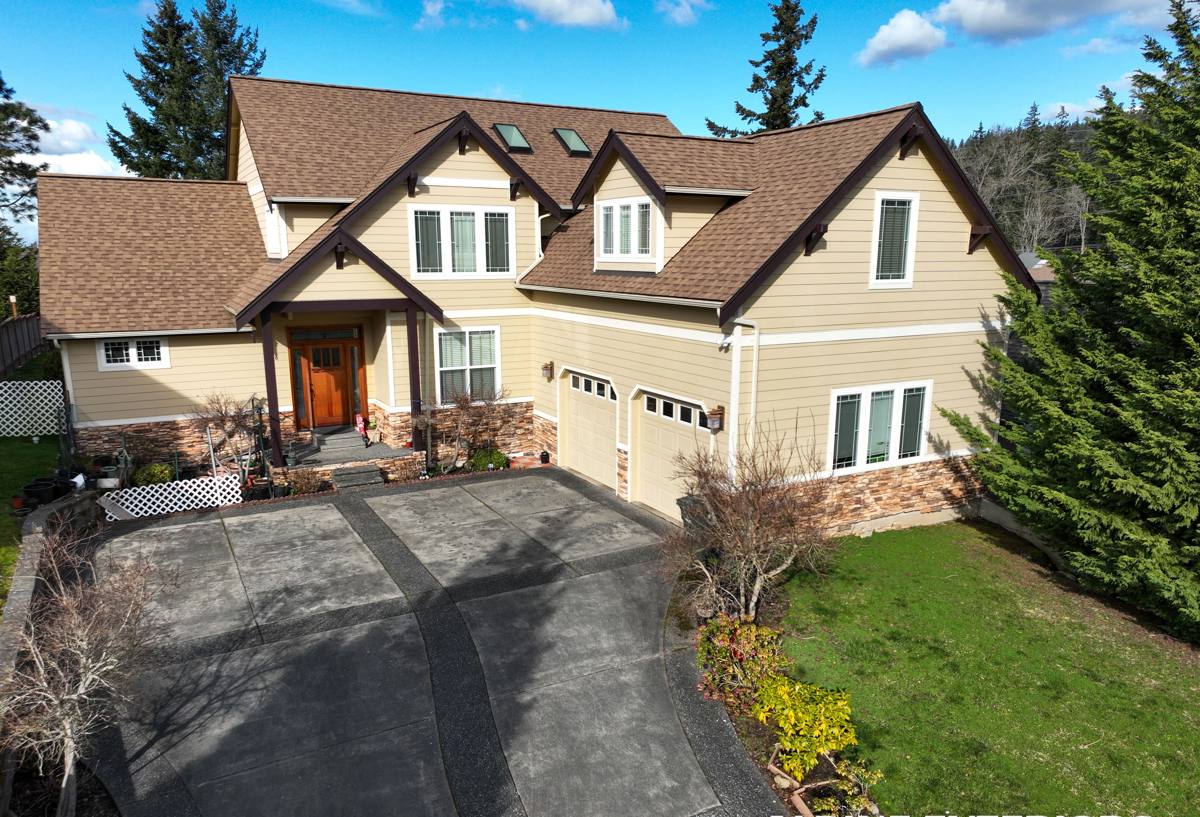
Sunnyland is one of Bellingham's older, established residential neighborhoods, with a mix of home ages and lot conditions — mature trees, sloped yards, and homes close enough to Bellingham Bay that salt air is a real factor in how long any exterior structure lasts. A deck built here has to deal with more than looks. It has to survive a long wet season, near-constant shade in parts of the neighborhood, and airborne salt that speeds up corrosion on anything metal. We build custom decks specifically with those conditions in mind, not with a one-size-fits-all spec sheet.
A deck that would hold up fine in a dry inland climate can start showing problems within a few years here — soft spots, blackened boards, rusted fasteners bleeding rust streaks, railings that wobble because the post base never drained. None of that is inevitable. It's almost always a result of shortcuts in the framing, hardware, or drainage details that don't show up until the wood has already absorbed the damage.
What Whatcom County's Climate Actually Does to a Deck
Moss and Algae
Western Washington's long, mild, wet stretch from fall through spring means deck surfaces can stay damp for days at a time, especially under tree cover or on the north side of a house. Moss and algae need exactly that — shade and moisture — and once they get a foothold on decking, they hold water against the wood surface and make the boards slicker and more slippery underfoot. Left alone, that trapped moisture accelerates rot in wood decking and can stain or etch some composite surfaces over time.
Salt Air
Proximity to Bellingham Bay means airborne salt is part of the environment here in a way it isn't a few miles inland. Salt accelerates corrosion on any exposed metal — fasteners, joist hangers, railing hardware, post bases. Standard coated screws or lower-grade hardware can start rusting years before they would somewhere drier, and once a fastener rusts, it loses holding strength long before it looks obviously bad.
Driving Rain and Wind
Storms off the water bring rain that doesn't just fall straight down — it drives sideways into ledger connections, stair stringers, and any gap where water can find its way behind boards or into end grain. A deck design that doesn't account for wind-driven rain will trap water in places a fair-weather climate would never expose.
Getting the Foundation and Framing Right
Everything above the framing depends on what's underneath it, and this is where most long-term deck failures actually start — not in the decking boards themselves.
- Footings: Set to the correct depth for our soil and frost conditions, sized for the actual load of the deck, not guessed at.
- Ledger board flashing: Properly flashed and sealed where the deck attaches to the house, so water is directed away from the band joist rather than into it. This is one of the most common failure points on older decks in wet climates.
- Corrosion-resistant hardware: Stainless steel or hot-dip galvanized joist hangers, screws, and structural connectors rated for contact with modern treated lumber, and appropriate for a coastal-influenced environment.
- Proper joist spacing and blocking: Sized for the decking material chosen, not just a generic default.
None of this is visible once the deck is finished, which is exactly why it matters who builds it. A deck can look identical on the surface with completely different framing quality underneath — and the difference only shows up five, ten, or fifteen years down the road.
Choosing Decking Material for This Neighborhood
There's no single "best" decking material — there's a best fit for the yard, the budget, and how much upkeep a homeowner actually wants to do. In a neighborhood with a mix of shaded and open lots, that decision matters more than it might elsewhere.
| Material | Moss/moisture behavior | Maintenance | Typical lifespan |
|---|---|---|---|
| Pressure-treated wood | Absorbs water; needs sealing to resist moss and staining | Annual cleaning, periodic re-sealing | 10-15 years with upkeep |
| Cedar | Naturally rot-resistant but still needs care in constant shade | Regular cleaning, occasional oiling/sealing | 15-20 years with upkeep |
| Composite decking | Doesn't absorb water like wood, but shaded areas still need periodic cleaning to prevent surface algae film | Low — occasional washing | 25+ years, manufacturer-dependent |
| PVC decking | Fully non-absorbent; best resistance to moss and staining | Lowest — occasional washing | 25+ years, manufacturer-dependent |
Composite and PVC decking cost more up front but ask less of the homeowner over time, which matters in a climate where wood decking left unsealed for even a season or two can start showing moss. Wood decking isn't a bad choice — it's a different trade-off: lower upfront cost in exchange for a real, ongoing maintenance commitment. We'll walk through the honest trade-offs for your specific lot — sun exposure, tree cover, and budget all factor in — rather than pushing one product as the answer for every yard.
Railings, Stairs, and Local Code Requirements
Bellingham and Whatcom County have permitting and building code requirements that apply to most deck construction, particularly for decks attached to the house or elevated more than a modest height above grade. That typically covers guardrail height, baluster spacing (to prevent a small child from passing through), stair rise and run consistency, and handrail requirements on longer stair runs. Skipping the permit process might save time upfront, but it can create real problems at resale, with insurance, or if something needs to be inspected later. We handle the permit process as part of the job rather than leaving homeowners to sort it out themselves.
Drainage and Layout Choices That Prevent Moss Buildup
Beyond the materials themselves, how a deck is laid out has a lot to do with how much moss and algae it collects over time.
- Board spacing that allows water to drain through rather than pool on the surface
- Joist and beam layout that avoids low spots where water collects underneath
- Under-deck airflow so the framing can dry out between storms instead of staying damp for days
- Keeping decking clear of overhanging branches where reasonably possible, to reduce shade and organic debris buildup
None of these decisions cost significantly more at the design stage, but they make a measurable difference in how much moss and cleaning a deck needs over its lifetime.
Our Process for a Sunnyland Deck Project
- On-site visit: We look at the actual lot — sun exposure, drainage, tree cover, soil, and how the deck will connect to the house — before recommending anything.
- Design and material discussion: We go over layout options and material trade-offs honestly, based on your budget and how much upkeep you want to take on.
- Permitting: We prepare and submit the required permit paperwork with the city or county as applicable.
- Framing and construction: Footings, ledger flashing, corrosion-resistant hardware, and framing built to the load and layout the design calls for.
- Decking, railing, and finish work: Installed to manufacturer specifications for whichever material you've chosen.
- Final walkthrough: We go over the finished deck together, including basic maintenance guidance specific to the material installed.
Maintenance Checklist for a Long-Lasting Deck
Whatever material you choose, a little seasonal attention goes a long way in this climate. A basic yearly routine:
- Sweep off leaves and organic debris regularly, especially heading into fall
- Clean the deck surface at least once a year to remove early moss or algae film before it takes hold
- Check fasteners and railing connections for rust streaks or looseness
- Inspect the ledger board area where the deck meets the house for signs of water intrusion
- Re-seal or re-stain wood decking on the schedule appropriate to the product used
- Trim back overhanging branches that keep sections of the deck shaded and damp
Why a Crew That Already Works in Sunnyland Matters
A deck builder who works across a lot of different climates will build to a generic standard. A crew that works this specific area — Sunnyland, greater Bellingham, and Whatcom County generally — knows which corners of a yard stay damp longest, which hardware actually holds up near the bay, and which permit questions come up locally. That familiarity shows up in details that aren't obvious when the deck is brand new, but matter a great deal ten years in.
If you're planning a custom deck in Sunnyland, we're happy to come take a look at your yard and talk through honest options — no pressure, no obligation. Use the form below to request a free estimate.