 Bellingham Window
 Deck Repair Built for Sunnyland's Climate
Sunnyland sits close enough to Bellingham Bay and the surrounding tree canopy that decks here take a different kind of beating than decks in drier parts of Whatcom County. Salt-laden air off the water accelerates corrosion on fasteners and hardware. Driving rain off the Pacific pushes moisture into places a deck was never designed to hold it — ledger connections, end grain, and the gaps between boards. And the long, wet moss season that runs from fall through spring keeps surfaces damp for weeks at a stretch, which is exactly the environment wood rot and slick algae need to take hold. A deck repair here isn't just about swapping a few boards. It's about understanding how this specific microclimate attacks a structure and repairing it so the same failure doesn't come back in two years.
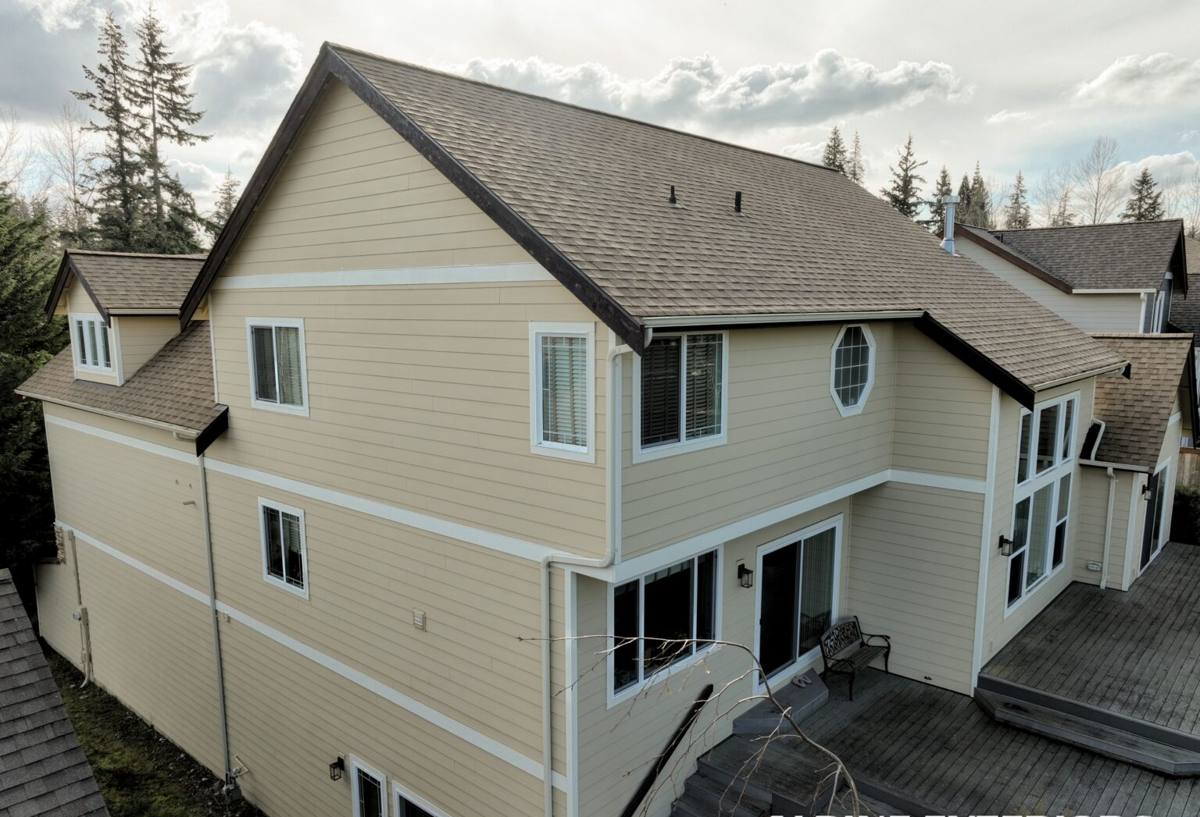
What This Climate Does to a Deck Over Time
Most of the deck damage we see in this neighborhood traces back to a handful of repeat offenders, and they usually work together rather than alone.
Moisture Intrusion
Bellingham gets a lot of rain, but it's the slow, sustained dampness — not a single storm — that does the real damage. Water that can't drain or dry out sits against wood fibers, softens them, and eventually invites rot. The ledger board where the deck attaches to the house is a common failure point, especially on older decks built before proper flashing standards were common practice.
Moss and Algae
Shade from mature trees, combined with a wet season that can stretch for months, gives moss and algae plenty of time to establish on deck boards, railings, and stair treads. Beyond looking bad, moss holds moisture against the wood surface and creates a genuinely dangerous slip hazard on stairs and ramps.
Salt Air Corrosion
Even a few miles inland from the bay, airborne salt accelerates the corrosion of nails, screws, joist hangers, and other structural hardware. Once fasteners start to rust and lose their grip, the boards they're holding can work loose — sometimes long before the wood itself shows obvious damage.
Freeze-Thaw Cycling
Whatcom County doesn't get brutal winters, but it does get enough freeze-thaw swings to widen small cracks in wood and concrete footings over a season or two. A hairline crack that seems cosmetic in October can be a real structural concern by spring.
Signs Your Deck Needs Repair, Not Just Cleaning
A pressure wash and a fresh coat of stain can make a tired deck look better without addressing what's actually wrong underneath. Here's what tells us a deck needs real repair work:
- Boards that feel spongy, springy, or soft when you walk on them
- A screwdriver or awl that sinks easily into wood near the ledger, posts, or stair stringers
- Visible gaps, cracks, or splitting at board ends and around fasteners
- Railings or posts that wiggle or flex under normal pressure
- Rust streaks bleeding from screws, nails, or joist hangers
- Persistent moss or dark staining that returns within weeks of cleaning
- Any separation between the deck and the house at the ledger board
- Stairs that feel uneven, bouncy, or have visibly sagging stringers
If any of these sound familiar, it's worth getting a real inspection before the next wet season adds another layer of damage.
What a Correct Deck Repair Actually Involves
A repair that's done right addresses the cause of the damage, not just the symptom. That usually means several layers of work, even on jobs that start out looking like a simple board replacement.
Structural Assessment First
Before any board comes off, we check the framing underneath — joists, beams, ledger connection, and footings. Surface damage is often a symptom of a structural issue below it, and replacing boards without fixing what's underneath just resets the clock on the same failure.
Ledger and Flashing Repair
If the ledger board connection is compromised — missing flashing, failed sealant, or rot from years of water intrusion — this gets corrected as part of the repair. It's one of the most common root causes of deck failure in wet climates like ours, and it's also one of the most overlooked, because it's hidden behind the house siding and the deck surface.
Joist and Framing Repair
Rotted or compromised joists get sistered with new framing lumber or replaced outright, depending on the extent of damage. This is not optional work — a deck surface is only as sound as what's holding it up.
Board and Railing Replacement
Damaged decking boards, stair treads, and railing components get replaced with material matched as closely as possible to the existing deck, or upgraded to a longer-lasting option where it makes sense for the homeowner.
Fastener and Hardware Upgrades
Given how hard salt air is on standard hardware, repairs in this area typically call for corrosion-resistant fasteners and joist hangers rated for coastal exposure — even if the original deck wasn't built with them.
Sealing and Finish Work
Once structural and surface repairs are complete, exposed wood gets treated with an appropriate sealant or finish to slow future moisture intrusion. Skipping this step is one of the fastest ways to see the same rot come back in a few seasons.
Repair vs. Replace: How We Help You Decide
Not every deck needs a full rebuild, and not every deck can be saved with spot repairs. The right call usually comes down to how much of the structure is compromised versus how much is still sound.
| Factor | Favors Repair | Favors Full Replacement |
|---|---|---|
| Framing condition | Joists and ledger mostly sound | Widespread rot in structural members |
| Age of deck | Under 15-20 years, built to code | Older deck, outdated construction methods |
| Extent of damage | Isolated boards, stairs, or railings | Damage spread across most of the surface |
| Fastener condition | Hardware still functional | Widespread corrosion or failure |
| Budget priority | Lower upfront cost, targeted fix | Long-term value, full warranty coverage |
We'll walk the whole structure with you and give you an honest read on which category your deck falls into — not just the parts you can see from the surface.
How Our Repair Process Works
We keep the process straightforward because homeowners deserve to know what's happening to their deck and why.
- On-site inspection. We check the deck surface, framing, ledger connection, footings, and hardware, and probe any areas that show signs of moisture damage.
- Honest assessment. We tell you what's actually wrong, what's optional, and what's a safety issue that shouldn't wait.
- Written estimate. You get a clear breakdown of the repair scope and cost before any work begins — no surprise add-ons mid-project.
- Repair work. Framing, boards, railings, and hardware are addressed in the right order, structural issues first.
- Finish and protection. Repaired wood is sealed or finished appropriately for our climate to extend the life of the work.
- Final walkthrough. We check the completed repair with you before we consider the job done.
Material Choices for Long-Term Durability
When we're replacing boards or railing sections, homeowners often ask whether to match the existing wood or switch materials. There's no universally right answer, but there are real tradeoffs worth knowing.
Cedar and pressure-treated lumber are common on older decks in this area and can be repaired in kind, matching the existing look at a lower material cost. Composite decking costs more upfront but resists moisture, moss growth, and rot far better over time, which matters in a climate where a deck rarely gets a long stretch to fully dry out. For homeowners doing a partial repair, we'll talk through whether mixing materials makes sense or whether it's worth budgeting for a more complete refresh down the line.
Maintenance That Protects the Repair
A repair is only as good as the upkeep that follows it. A few habits go a long way toward keeping Sunnyland decks in good shape between inspections:
- Sweep debris and standing leaves off the deck surface regularly, especially in fall
- Clean moss and algae buildup before it has a chance to stain or soften the wood
- Check and reseal exposed wood on the schedule appropriate for your finish product
- Keep gutters and downspouts clear so runoff isn't draining directly onto the deck
- Have the structure re-inspected every couple of years, particularly around the ledger board
Why It Matters to Hire a Crew That Knows This Neighborhood
Deck repair advice that works in a dry inland climate doesn't always hold up in Bellingham, and it definitely doesn't account for what a neighborhood like Sunnyland deals with between the tree cover, the proximity to the bay, and the sheer number of wet months in a given year. A crew that already works in this area knows which failure points to check first, which materials actually hold up here, and how to sequence repairs so they survive the next moss season rather than just looking good for a few months. That local knowledge tends to be the difference between a repair that lasts and one you're paying for again in a couple of years.
If your deck is showing soft spots, moss that won't quit, or hardware that's starting to rust, we're happy to take a look and give you a straightforward, no-pressure estimate on what it would take to fix it right. Fill out the form below and we'll get in touch to schedule a time that works for you.