 Bellingham Window
 Windows Built for Sunnyland's Climate, Not Just Any Climate
Sunnyland is one of Bellingham's older, established neighborhoods — mature trees, a mix of early-to-mid-century homes and newer infill, and a housing stock that has quietly absorbed decades of Whatcom County weather. That combination matters more than most homeowners realize when it comes time to replace windows. A window that performs fine in a dry climate can fail here in five years if it's not built and installed for what this specific area throws at it: salt-laden air off Bellingham Bay, wind-driven rain that gets pushed sideways into wall assemblies, and long stretches of shade and dampness that keep surfaces wet longer than they should be.
This page is about one service, done right, in one place: energy-efficient window replacement for Sunnyland homes. Not a generic overview of window brands, but what actually matters for a house sitting under Sunnyland's tree canopy a few miles from saltwater.
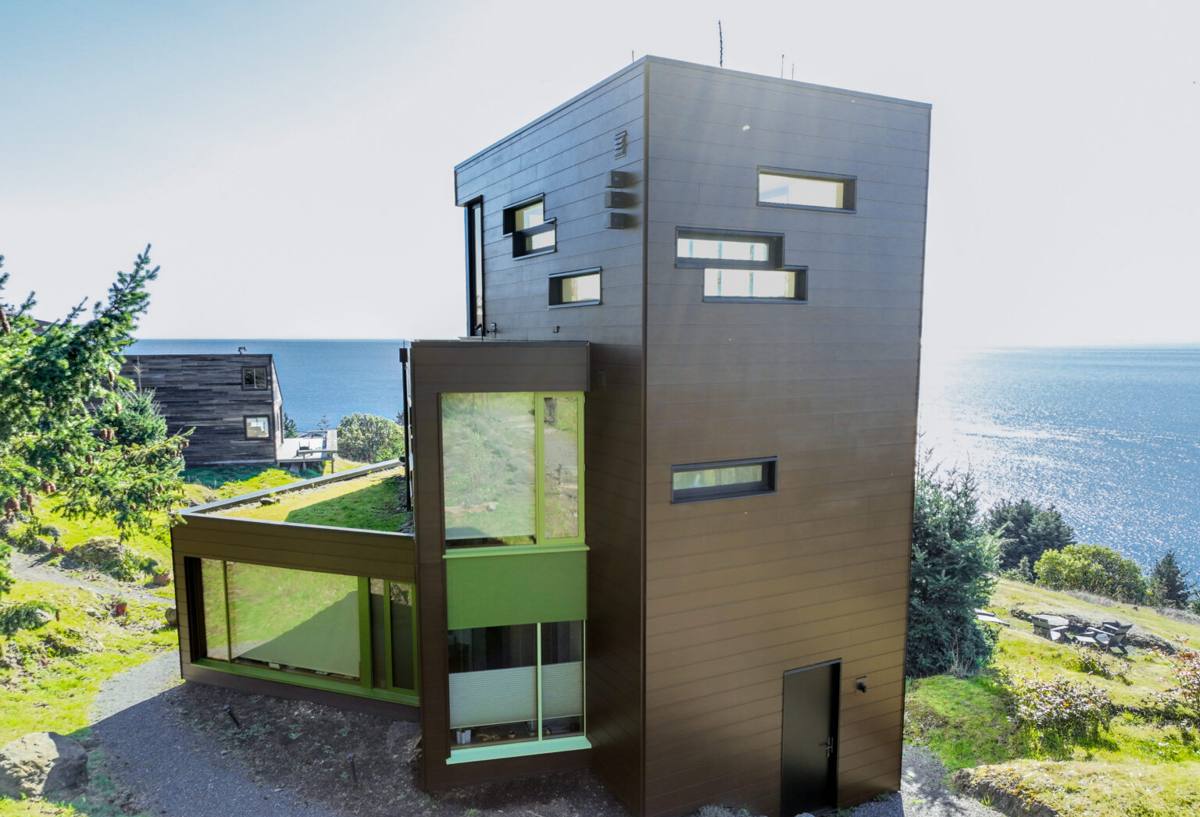
What Bellingham's Climate Does to Windows Over Time
Salt Air and Coastal Exposure
Bellingham Bay isn't far from any part of Sunnyland, and salt-bearing air travels further inland than people expect, especially on windy days. Salt air accelerates corrosion on hardware, fasteners, and lower-quality metal components. It also breaks down certain sealants and finishes faster than manufacturers' generic warranty testing accounts for, because that testing is rarely done in a marine environment. Over the years, this shows up as pitted or seized hardware, discolored frames, and seals that fail earlier than their rated lifespan.
Driving Rain and Water Management
Rain in this part of Whatcom County doesn't just fall — wind pushes it laterally into wall and window assemblies, especially during fall and winter storms. A window can have excellent glass and still leak, rot the framing around it, or grow hidden mold if the flashing, sill pan, and sealant details weren't done correctly. Most window failures we see aren't glass failures at all. They're water management failures at the perimeter, where the window meets the wall.
Moss, Shade, and Prolonged Moisture
Sunnyland's mature tree cover is part of what makes the neighborhood pleasant to live in, but it also means many homes get less direct sun and more shade than newer subdivisions on open lots. Shaded, tree-covered exteriors stay damp longer after rain, which extends what we'd call the "moss season" — the stretch of the year when moss, algae, and mildew actively grow on siding, trim, and window sills. That prolonged dampness is hard on wood components, on caulk lines, and on any window trim that isn't detailed to shed water and dry out quickly.
What "Energy-Efficient" Actually Means for This Area
Energy efficiency isn't just a sticker on the glass. For a Sunnyland home, it's a combination of the glass package, the frame material, and — just as important — how well the window is sealed and insulated into the wall opening. A high-performance window installed poorly will underperform a mid-range window installed correctly.
U-Factor and Condensation Resistance
U-factor measures how well a window resists heat transfer — lower is better for our winters. In a damp, marine climate, condensation resistance matters just as much. Windows with poor thermal performance at the edges of the glass tend to fog or sweat on the interior during cold, wet stretches, which is both an efficiency problem and a moisture problem for the surrounding wall and trim.
Glass Packages
Most homeowners in this area do well with dual-pane, low-E glass as a baseline, with argon gas fill as a low-cost upgrade that improves insulating performance. Triple-pane glass offers a further step up in thermal performance and sound dampening, but it adds weight, cost, and isn't always necessary depending on the home's exposure and the homeowner's goals — we'll walk through whether it makes sense for your specific situation rather than upselling it by default.
Frame Materials
Frame material affects both energy performance and how the window holds up to salt air and constant moisture cycling. There's no single "best" answer — it depends on the home's exposure, existing trim details, and budget.
| Frame Type | Energy Performance | Coastal/Moisture Behavior | Maintenance |
|---|---|---|---|
| Vinyl | Good, with multi-chamber designs performing best | Doesn't corrode; seams and welds are the main long-term watch point | Low — no painting, occasional cleaning |
| Fiberglass | Very good; low expansion/contraction improves seal longevity | Handles moisture and temperature swings well | Low to moderate |
| Wood (clad exterior) | Good with proper glass package | Exterior cladding protects wood core, but any breach needs prompt attention in this climate | Higher — exterior cladding and interior wood need periodic inspection |
| Aluminum | Weaker unless thermally broken | Prone to corrosion in salt air without proper coatings | Moderate |
Signs Your Sunnyland Home's Windows Are Underperforming
Most window problems show up gradually, not all at once. Here's what we'd want you to look for before scheduling an estimate:
- Visible condensation or fog between panes of glass (a sign the seal has failed)
- Drafts you can feel near the frame, even with the window fully closed and locked
- Soft or discolored wood trim around the window, especially on the lower sill
- Moss or dark staining building up on the exterior sill or trim faster than on the rest of the siding
- Windows that are difficult to open, close, or lock — often a sign the frame has shifted or swollen
- A noticeable rise in heating costs without any other explanation
- Noise from outside that seems louder than it should be for the window's age
What a Correct Installation Actually Involves
Flashing and Water Management First
Before the new window ever goes in, the opening needs to be assessed and properly flashed — a sill pan to direct any water that gets past the window back outside, and flashing tape integrated with the home's existing water-resistive barrier. This is the step that determines whether the window stays dry for the next 20+ years, and it's also the step that's easiest to rush or skip. We don't skip it.
Insulation and Air Sealing
The gap between the window frame and the rough opening needs to be insulated and air-sealed correctly — not overpacked with expanding foam, which can bow the frame and cause operational problems, and not left with gaps that undercut the whole point of an efficient window. This detail is invisible once the trim goes back on, which is exactly why it matters who's doing the work.
Exterior Trim and Sealant Details
Given how much rain this area sees, exterior trim and sealant joints need to be detailed to shed water, not trap it. In a shaded, moss-prone neighborhood like Sunnyland, sealant choice and joint design also affect how quickly surfaces dry out between rain events, which in turn affects how fast moss and mildew take hold again.
Our Process for Sunnyland Homeowners
1. On-Site Assessment
We look at your existing windows, the condition of the surrounding trim and wall assembly, sun exposure, and any specific problem areas — recurring moisture, drafts, condensation — before recommending anything.
2. Product Selection, Not a Sales Pitch
We walk through frame material, glass package, and performance ratings based on your home's actual exposure and your priorities, whether that's lower heating bills, less maintenance, or better sound dampening from street or wind noise.
3. Installation
Proper flashing, sill pan, insulation, and air sealing, in that order, followed by exterior trim work detailed for this climate — not a generic install method used regardless of region.
4. Final Walkthrough
We check operation, seal quality, and finish work with you before we consider the job done, and make sure you know how to maintain the new windows going forward.
Why Hiring a Crew That Already Works in Sunnyland Matters
A lot of window problems in this region trace back to installation methods that were never adapted for a marine, high-rainfall climate — details that might hold up fine in a drier part of the country but fail here within a few years. A crew that regularly works in Bellingham and Whatcom County has already seen how salt air, driving rain, and shaded, moss-prone lots affect different products and installation approaches over time. That experience shows up in the small decisions — sealant selection, flashing sequence, how tight to pack insulation — that don't show up on a spec sheet but determine whether the job still looks and performs well a decade from now.
Cost Factors to Expect
Every home is different, and we don't quote sight-unseen, but these are the main factors that move the price up or down on a typical Sunnyland window project:
| Factor | Why It Matters |
|---|---|
| Number and size of openings | More or larger windows means more material and labor |
| Frame material | Vinyl is typically the most budget-friendly; fiberglass and clad-wood cost more upfront |
| Glass package | Triple-pane and specialty coatings add cost over standard dual-pane low-E |
| Condition of existing framing | Rot or water damage found during removal adds repair scope |
| Trim and siding complexity | Detailed trim work or siding tie-ins take more time to do correctly |
| Full-frame vs. insert replacement | Full-frame replacement costs more but is often the better long-term choice on older, water-damaged openings |
As a rough starting point, homeowners in this area typically see per-window costs ranging from the low thousands for a standard vinyl replacement to significantly more for larger openings, premium frame materials, or full-frame work with trim repair. We'll give you real numbers once we've actually looked at your windows.
If your Sunnyland home has drafty, foggy, or hard-to-operate windows — or you're just planning ahead before the next round of fall storms — we're glad to come take a look. The estimate is free, there's no pressure, and you'll walk away with a clear picture of what your windows actually need. Use the form below to get started.