 Bellingham Window
 James Hardie Siding for York Neighborhood Homes
York is one of Bellingham's established, close-in neighborhoods, which means a lot of the homes here have been through decades of Whatcom County weather already — some with siding that's held up fine, and plenty with siding that's failing in ways the owner didn't expect. When it's time to replace that siding, the neighborhood itself matters more than most homeowners realize. Mature tree canopy, mixed lot orientations, and a housing stock that spans several building eras all shape what a given wall in York actually needs, and a contractor who's worked this specific area has already seen how those factors play out over multiple wet seasons.
We install James Hardie fiber cement siding exclusively — no LP SmartSide, no vinyl, no Cemplank, no Allura, no primed spruce, no cedar. This page is about what that looks like on a York home specifically: what the climate demands, what a correct install involves, and why the crew doing the work matters as much as the material itself.
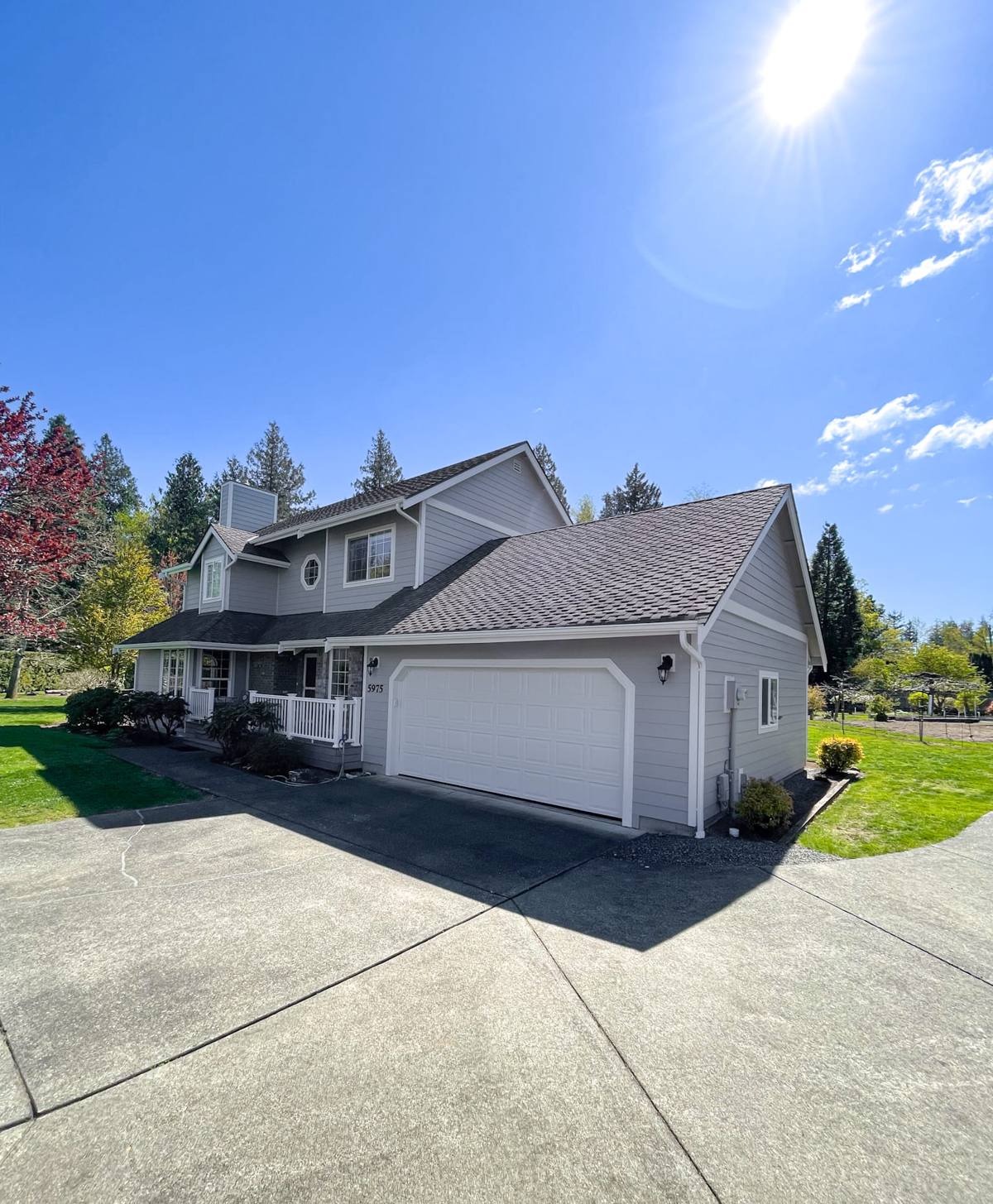
What Bellingham's Climate Asks of Siding in York
Salt Air, Even This Far Inland
Bellingham sits on the water, and salt-tinged marine air reaches further into inland neighborhoods like York than most people assume. It's a slower, quieter form of exposure than a waterfront lot deals with, but it still accelerates corrosion on exposed fasteners and trim over time, which is why fastener spec isn't something to shortcut just because a home is a few miles from the bay.
Driving Rain and Older Wall Assemblies
Wind-driven rain is a fact of life here, and it doesn't hit every wall the same way. On older homes — common in a neighborhood like York — the original wall assembly often predates modern house wrap and drainage-gap standards. Reinstalling siding on a wall like that without addressing the water-resistive barrier underneath just re-covers the same vulnerability with a new face.
A Long Moss Season on Shaded Walls
York's mature trees are part of what makes the neighborhood what it is, but that same tree cover keeps north-facing and shaded walls damp for a large part of the year. Moss doesn't just look bad — it holds moisture against the siding surface, and on the wrong material that trapped moisture becomes a maintenance problem that recurs every year rather than a one-time fix.
Why We Standardized on One Siding System
Every siding product on the market has a legitimate use case, and other contractors install LP SmartSide, vinyl, and cedar competently. We made a professional decision to stop offering those options because, given Bellingham's combination of salt exposure, sustained rain, and long shaded-moss seasons, we didn't want to keep installing materials whose long-term maintenance burden or moisture sensitivity we couldn't fully stand behind. James Hardie's fiber cement is the one system where the trade-offs line up with what this climate actually does to a wall over ten, twenty, and thirty years.
| Material | Behavior in Sustained Wet Climate | Maintenance Burden | Realistic Lifespan |
|---|---|---|---|
| James Hardie fiber cement | Dimensionally stable; resists moisture absorption at the core | Low; factory finish resists moss and fading | 30+ years with proper install |
| LP SmartSide (engineered wood) | Sensitive to moisture at cut edges and fastener penetrations | Moderate; edge sealing and caulk upkeep needed | 15-25 years, climate-dependent |
| Vinyl | Can warp, fade, or gap over time; seams less rigid than fiber cement | Low, but hidden moisture behind panels is hard to catch | 20-30 years, variable |
| Cedar | Absorbs moisture readily without regular sealing or repainting | High; recurring maintenance cycle | 15-25 years with consistent upkeep |
The factory-applied ColorPlus finish is a big part of that difference. Instead of a field-applied paint job depending on weather conditions and applicator skill on installation day, the color is baked on under controlled factory conditions before the boards ever reach a York job site. That's fewer points of failure in a climate that doesn't give paint much of a break.
Built for This Climate Zone Specifically
Hardie doesn't sell one generic siding formulation nationwide. Its HZ5 product line is engineered for regions with sustained moisture exposure and freeze-thaw cycling, which describes coastal Whatcom County well. That climate-specific engineering, paired with a strong transferable warranty when the installation follows Hardie's spec, is a meaningful part of why we standardized on this one system rather than offering several.
What a Correct James Hardie Install Actually Involves
Hardie siding performs the way it's supposed to only when the installation follows the manufacturer's spec closely — not a generic national standard, and not shortcuts that happen to look fine on the day the crew leaves. A correct install on a York home includes:
- House wrap or a weather-resistive barrier installed and properly lapped before any siding goes up, especially critical on older wall assemblies being resided
- A drainage gap or rainscreen behind the siding so moisture that gets past the surface can dry out instead of sitting against the sheathing
- Corrosion-resistant fasteners at Hardie's specified spacing — not "enough to hold it up," but the exact pattern the manufacturer's warranty depends on
- Correct clearance at the bottom of the wall, around foundation lines, decks, and grade, so siding isn't wicking moisture from below
- Properly flashed and lapped transitions at every window, door, and corner, where most real-world leaks actually start
- Field-cut edges primed before installation, since the factory ColorPlus finish only protects the surfaces Hardie finished at the factory
- Attention to ventilation and clearance on shaded, tree-covered elevations where moss and slow-drying conditions are worse than on sun-exposed walls
None of these details are visible once the job is finished and the wall looks good. That's exactly the problem — a rushed install and a correct one can look identical on day one, and the difference only shows up two or three wet seasons later, as staining, soft trim, or paint failure at the seams.
Tear-Off and What We Find Underneath
Because York has a mix of older and newer homes, tear-off often reveals more than a simple swap of old siding for new. On older houses in particular, we sometimes find outdated or missing house wrap, deteriorated sheathing at window sills, or trim that's been slowly absorbing moisture for years without an obvious exterior sign. Addressing that during tear-off — rather than covering it back up with new siding — is what actually protects the investment. We document what we find, explain what needs to be addressed and why, and give you a straightforward number for any repair work before proceeding, rather than surprising you mid-project.
Our Process for a York Siding Project
Walkthrough and Assessment
We start by walking the specific home — which elevations take the most weather, which are shaded and slow to dry under the tree canopy common in York, and what condition the existing wall assembly is in. That assessment shapes the plan more than any generic estimate could.
Planning Before Install Day
Fastening pattern, drainage detailing, and how the new siding will meet existing trim, windows, and rooflines get worked out before crews start cutting material. Deciding those details on paper avoids the kind of field improvisation that's where corners tend to get cut.
Installation to Manufacturer Spec
Every fastener, gap, and flashing lap follows James Hardie's published installation requirements for this climate zone. That's what keeps the manufacturer's warranty valid, and it's what determines whether the wall performs for decades rather than years.
Final Walkthrough
We walk the finished job with you, cover the (minimal) maintenance this material actually needs, and make sure you know what a healthy wall looks like if you ever want to check it yourself down the line.
Why Hire a Crew That Already Works York
Siding work rewards local, repeated experience in ways that aren't obvious from a spec sheet. A crew that's worked York specifically has already seen which walls in this neighborhood need extra drainage attention because of shade and tree cover, how far salt exposure actually reaches at this distance from the water, and where an older home's original construction tends to need extra prep before new siding goes on. That judgment — knowing what to look for before it becomes a problem — is the difference between a wall that still looks and performs the same in fifteen years and one that's showing seam staining or soft trim by year five.
Cost Factors for a York Siding Project
Every home is different, but a few factors consistently move the price on a Hardie siding project in this neighborhood:
| Factor | Why It Matters |
|---|---|
| Age and condition of the existing wall | Older homes more often need sheathing or trim repair discovered during tear-off |
| Home size and wall complexity | More corners, dormers, and transitions mean more cuts and flashing details |
| Siding profile chosen | Lap, shingle, and board and batten profiles differ in material and labor |
| Tree cover and shaded elevations | Shaded walls may need extra drainage or ventilation detailing |
| Site access | Tight lots or limited access in a dense neighborhood can add labor time |
We'll walk your specific home and give you real numbers rather than a rough per-square-foot estimate — two houses in York with similar square footage can have very different costs depending on how many of these factors are actually in play.
What to Check Before You Hire Anyone for This Work
Whether you go with us or another contractor, a few questions separate a crew that'll do this correctly from one that'll cut corners you won't see until years later:
- Do they install to James Hardie's published spec for this climate zone, or a generic national standard?
- Will they show you the drainage gap and flashing details before the siding goes up, not just describe them?
- Are they pulling a permit and carrying current Washington contractor licensing and insurance?
- Can they speak specifically to how they handle shaded, moss-prone walls versus sun-exposed ones?
- Do they document what they find during tear-off before covering it back up?
A vague answer to any of these, especially on an older York home where tear-off often reveals real conditions behind the old siding, is worth taking seriously before you sign a contract.
Getting It Right the First Time
Redoing siding work is expensive in a way that goes beyond the material itself — it usually means addressing whatever moisture damage accumulated while the wall was sealed up behind an incorrectly installed wall covering. That's why we treat the assessment and planning phase of a York project as seriously as the install itself. The cost of doing it right the first time is consistently lower than the cost of tearing out and redoing a wall a few years down the road.
If you're weighing a siding project for a home in York, we're happy to walk the property, talk through what your specific walls need given their age, orientation, and tree cover, and give you a straightforward, no-pressure estimate. There's a form below — reach out and we'll set up a time to take a look.