 Bellingham Window
 Siding Repair Built for York's Older Housing Stock
The York neighborhood is one of Bellingham's older, more established residential areas — mature tree canopy, a mix of early-to-mid-century homes, and lots of siding that has been patched, painted, and repainted over several decades. That combination is exactly why siding repair here needs a different eye than a quick fix on a newer subdivision home. Older wall assemblies often hide moisture problems behind a perfectly good-looking paint job, and a repair that only addresses what's visible on the surface tends to fail again within a few years.
We've worked on enough York-area homes to know the pattern: shaded lots slow down drying time after every rain, older siding materials weren't engineered for the Pacific Northwest's wet cycle the way modern fiber cement is, and small deferred issues — a cracked board, a gap at a trim joint — turn into structural repairs faster than homeowners expect.
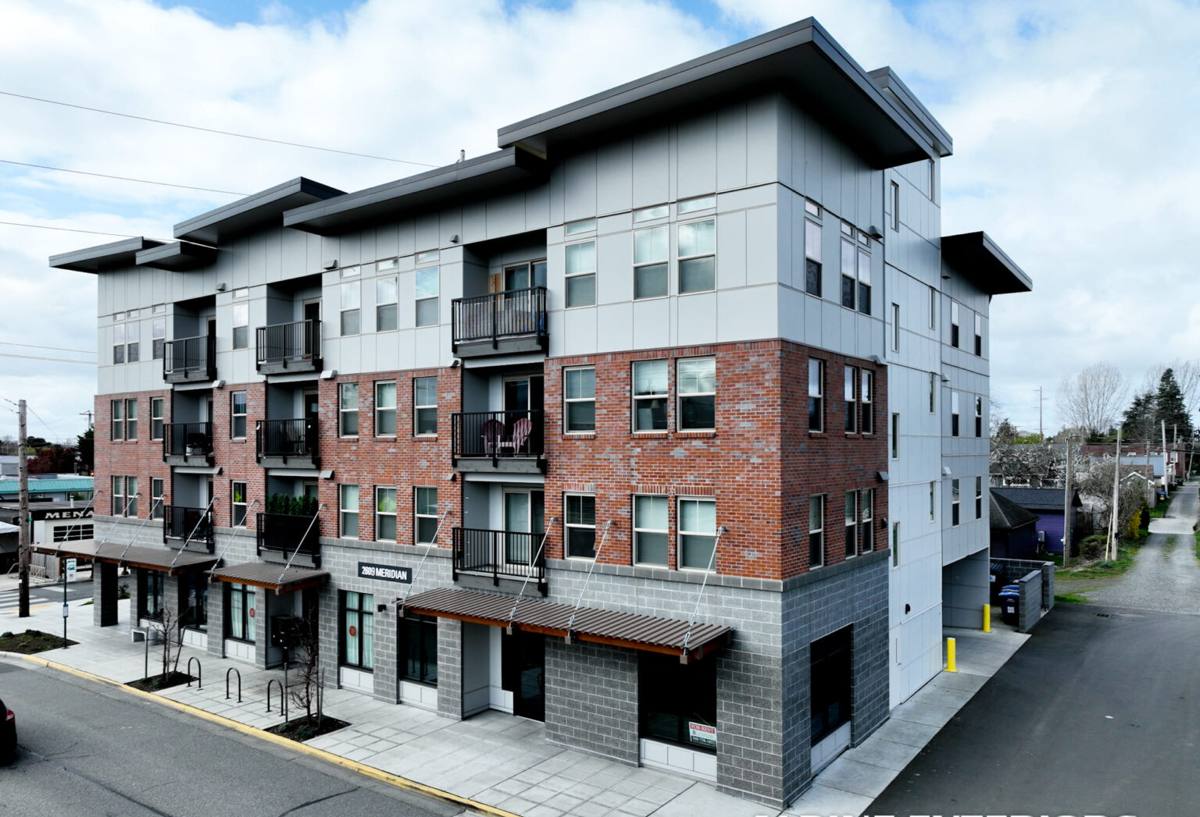
What Bellingham's Climate Does to Siding Over Time
Whatcom County's climate is siding's slow, patient adversary. Three things matter most for a neighborhood like York:
Salt Air Off Bellingham Bay
Homes closer to the water deal with a steady trace of salt in the air, which accelerates corrosion on fasteners, flashing, and any exposed metal trim. Over years, that corrosion works its way outward, staining siding and weakening the connections that hold it in place.
Driving Rain
Bellingham doesn't just get rain — it gets wind-driven rain that hits siding at an angle instead of falling straight down. That matters because siding systems are designed to shed water moving downward, not water being pushed sideways into seams, laps, and trim joints. Poorly caulked or aging joints let that wind-driven moisture behind the siding, where it does the most damage.
A Long Moss Season
Shaded, tree-lined streets — common throughout York — mean siding stays damp longer after every storm. Moss and algae take hold on north-facing walls and anywhere sunlight and airflow are limited, and once established, they hold moisture directly against the siding surface almost year-round.
The Repair Problems We Actually Find
On inspection calls in this part of Bellingham, a handful of issues come up again and again:
- Soft or crumbling siding at the bottom courses, usually from splashback or poor grading near the foundation
- Cracked or delaminated boards where paint has trapped moisture against older wood or composite siding
- Gaps at butt joints and trim where caulking has failed and never been replaced
- Dark streaking or green/black growth on shaded walls, especially under overhangs and tree cover
- Warping or bowing near downspouts, gutters, or roof valleys where water concentrates
- Rust staining below nail heads and metal flashing, common on homes closer to the bay
None of these are cosmetic-only problems. Each one is a sign that moisture has found a way past the siding's surface, and each one gets more expensive to fix the longer it sits.
What a Correct Siding Repair Actually Involves
A repair that's done right isn't just pulling off a bad board and nailing up a new one. It starts with figuring out why that board failed in the first place — otherwise the replacement piece fails the same way on the same timeline.
Step One: Find the Water, Not Just the Damage
We check what's happening behind the siding — the condition of the house wrap or building paper, whether flashing at windows, doors, and trim is doing its job, and whether the damage is isolated or a sign of a wider moisture problem in that wall section.
Step Two: Address the Cause
If the real issue is a failed flashing detail, a grading problem sending splashback onto the wall, or a gutter dumping water where it shouldn't, that gets corrected as part of the repair. Replacing siding without fixing the water source is a repair that's guaranteed to repeat.
Step Three: Replace with the Right Material
Where we install new siding as part of a repair, we use James Hardie fiber cement — not to match a damaged product with more of the same, but because it's the material we stand behind for this climate. More on that below.
Step Four: Detail the Joints and Transitions
Most repair failures happen at joints, corners, and trim transitions — not in the field of the siding itself. Careful flashing, proper fastener placement, and correct caulking at these points is what separates a repair that lasts from one that needs redoing in three years.
Repair or Replace? How We Make That Call
Not every siding problem in York calls for a full re-side, and not every issue is a simple patch. Here's generally how the decision plays out:
| What We Find | What It Usually Means | Typical Recommendation |
|---|---|---|
| Isolated cracked or soft boards, damage under 10-15% of a wall | Localized moisture intrusion or impact damage | Targeted repair with fiber cement replacement pieces |
| Moss and staining across multiple shaded walls, siding otherwise intact | Surface-level moisture retention, not structural failure | Cleaning, ventilation improvements, spot repair as needed |
| Soft sheathing behind siding, widespread rot at multiple wall sections | Long-term water intrusion, likely failed water-resistive barrier | Full or partial re-side of the affected elevation |
| Original siding is 30+ years old with recurring repairs every few years | Material is past its useful service life | Full replacement rather than continued patching |
We'll always tell you honestly which category your home falls into. There's no reason to sell a full re-side when a repair will genuinely hold, and no reason to keep patching a wall that's going to keep failing.
Why We Repair — and Replace — With James Hardie Fiber Cement Only
When a repair calls for new siding material, we install James Hardie fiber cement and nothing else. We don't carry LP SmartSide, vinyl, Cemplank, Allura, primed spruce, or cedar, and that's a deliberate standard, not a limitation of what we're capable of installing.
Wood-based and engineered-wood sidings can perform well when the moisture and maintenance conditions are right, but Bellingham's wet cycle — long stretches of dampness, limited drying time under tree cover, driving rain finding its way into seams — is a demanding environment. Fiber cement doesn't absorb water the way wood-based products can, it doesn't feed moss and algae growth like organic material does, and it holds paint and factory finish far longer under UV and moisture stress. James Hardie's ColorPlus factory finish also means a repaired section can be color-matched without the fading mismatch you often get patching older, field-painted siding.
For a neighborhood with as much shade, moisture exposure, and older housing stock as York, that durability matters more than it does in a drier climate. It's why, when a repair section needs new material, we don't offer a downgrade — we install the same product we'd put on a full re-side.
Our Repair Process, Start to Finish
- Inspection: We walk the exterior, check problem areas you've flagged, and look behind visible damage where we can access it.
- Honest assessment: You get a clear explanation of what's causing the damage, whether it's isolated or spreading, and what repair scope actually makes sense.
- Scope and estimate: A written plan covering what gets replaced, what gets addressed (flashing, drainage, ventilation), and what it costs.
- Repair work: Damaged material removed, underlying issues corrected, new James Hardie material installed and detailed at every joint and transition.
- Finish and cleanup: Paint or factory finish matched, site cleaned, and a final walkthrough so you know exactly what was done and why.
Why a Crew That Already Works in York Matters
Siding repair quality depends a lot on recognizing patterns fast. A crew that's already worked on York-area homes knows what to expect from the tree cover and shade patterns in this part of Bellingham, recognizes moss and algae staining for what it is rather than treating it as purely cosmetic, and has a feel for how older homes in this neighborhood were originally built and flashed. That local familiarity means less time spent diagnosing and more time spent fixing the actual problem — and it means recommendations that are grounded in what actually holds up on Whatcom County homes, not generic advice pulled from a drier climate.
Signs Your Siding Needs Attention Now
A quick self-check before you call anyone:
- Soft spots when you press on siding near the ground or under windows
- Paint that's bubbling, peeling, or cracking in specific spots rather than evenly across a wall
- Persistent moss or dark green/black streaking that comes back shortly after cleaning
- Visible gaps or missing caulk at trim boards, corners, and butt joints
- Warping, bowing, or waviness in the siding surface
- Rust streaks below nail heads or metal flashing
- Interior signs like musty smell, peeling paint, or soft drywall near exterior walls
Any one of these on its own might be minor. Two or three together, especially on a shaded or water-facing wall, usually means it's time for a real look.
Keeping Repaired Siding Performing Long-Term
Once a repair is done right, a little maintenance keeps it that way. Trim back tree limbs and shrubs that hold moisture against walls, keep gutters clear so water isn't overflowing onto siding below, and rinse off moss and algae buildup before it has a chance to establish, particularly on shaded, north-facing walls. None of this is complicated, but in a moss-prone neighborhood like York, staying ahead of it is what keeps a repair from turning into a repeat call three years later.
If you're seeing any of the signs above, or just want a second opinion on a repair someone else recommended, we're happy to take a look. Reach out for a free, no-pressure estimate — the form below gets you started.