 Bellingham Window
 Siding Built for the Way Barkley Actually Weathers
Barkley sits close enough to Bellingham Bay and the surrounding wetlands that homes here take on a specific combination of punishment: salt-tinged air moving in off the water, long stretches of driving rain through fall and winter, and a moss season that seems to start earlier every year and never fully let go. None of that is unique to any one house in the neighborhood — it's the baseline every exterior on this side of Whatcom County has to survive. Siding that isn't engineered for it doesn't fail dramatically. It fails slowly, in ways that are easy to miss until the damage is already behind the wall.
This page is about one job in one place: replacing siding on a home in Barkley, done correctly, with a product that's actually built for this climate. We're not going to give you a generic rundown of "signs you need new siding" that could apply to a house in Arizona. We're going to talk about what we see on Barkley homes specifically, and what a proper replacement here actually requires.
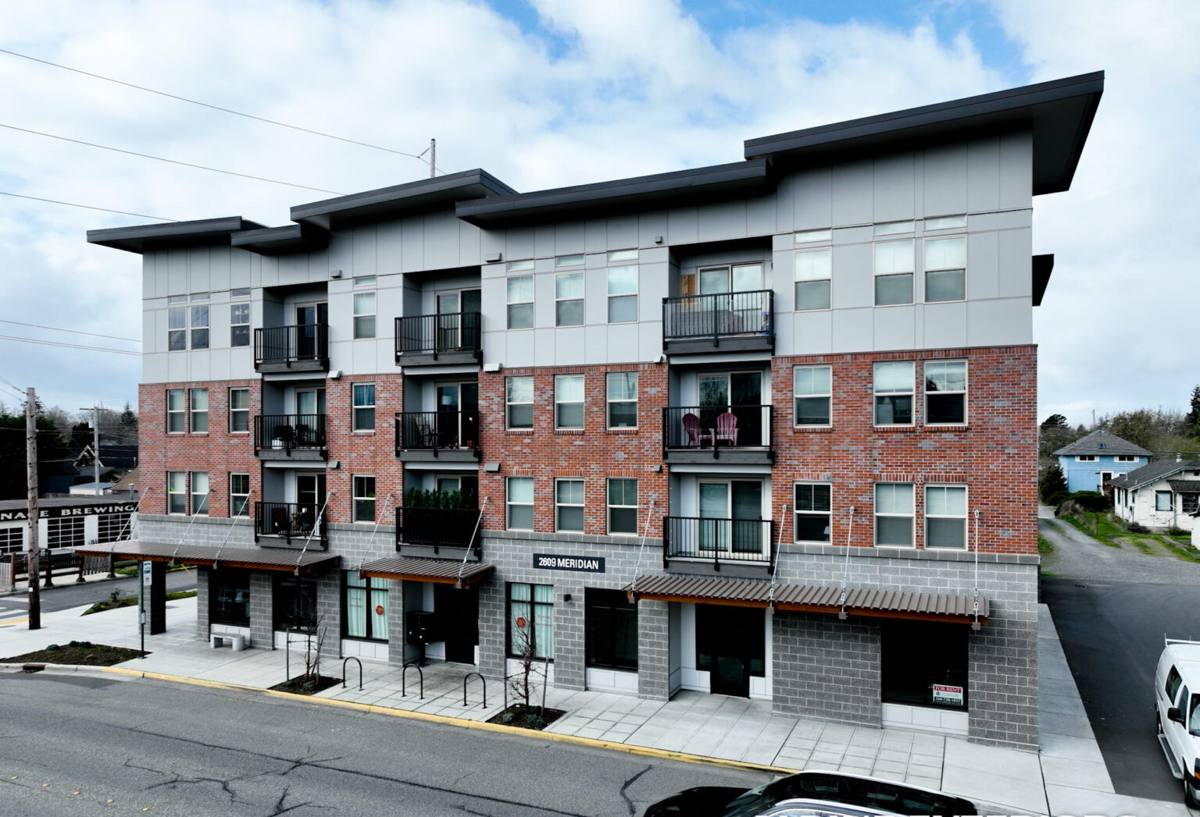
What Salt Air, Rain, and Moss Actually Do to Siding
Salt air
Proximity to Bellingham Bay means airborne salt is a slow, constant presence on exterior surfaces in this part of town. It doesn't destroy siding overnight, but it accelerates corrosion on fasteners and trim, and it degrades finishes that weren't formulated to resist it. Over years, a siding product with a weak factory finish will chalk, fade unevenly, or start showing white residue at seams and laps — cosmetic at first, but a sign the surface coating is breaking down faster than it should.
Driving rain
Bellingham's rain doesn't just fall — a good share of the year it comes in sideways, driven by wind off the water. That matters more than people realize, because most siding failures aren't about the siding material itself getting wet on the surface. They're about wind-driven rain finding its way past laps, seams, and penetrations into the wall assembly behind the siding, where it can sit against sheathing and framing for months without anyone knowing.
Moss and sustained moisture
Whatcom County's moss season is long because the conditions that grow moss — shade, moisture, and mild temperatures — are present for most of the year here. Moss and algae holding moisture directly against a siding surface is one of the more underrated causes of premature siding failure. Wood-based and wood-fiber products are especially vulnerable, since sustained dampness is exactly what triggers rot, swelling, and delamination in those materials.
Signs a Barkley Home's Siding Has Reached the End
Some of what we look for is visible from the curb. Some of it isn't — which is part of why a proper inspection matters more than a quick glance.
- Soft or spongy spots when you press on the siding, especially near the bottom courses and around windows
- Visible swelling, bubbling, or a "puffy" look along seams or panel edges
- Paint that's failing faster than a normal repaint cycle, or won't hold a fresh coat at all
- Persistent moss or algae growth that comes back within a season of cleaning
- Cracking or splitting at butt joints and corners
- Visible gaps or separation where siding meets trim, window frames, or the foundation line
- A musty smell in an adjacent interior room, or discoloration on interior drywall near an exterior wall
Any one of these on its own might be minor. Several together, especially on the sides of the house that take the most weather, usually mean the siding is past the point where patching makes sense.
Why We Install Only James Hardie Fiber Cement
We don't install vinyl, LP SmartSide, primed spruce, cedar, or other fiber cement brands like Cemplank or Allura. That's a deliberate standard, not a marketing line, and it's worth explaining honestly rather than just asserting it.
Vinyl is inexpensive and low-maintenance in mild conditions, but it's a thin material that can warp or crack under UV exposure and temperature swings, and it doesn't offer the impact resistance or fire rating that fiber cement does. Wood products — cedar and primed spruce — can look excellent, but they demand a maintenance schedule (recoating, caulking, moisture monitoring) that most homeowners underestimate, and in a climate with Bellingham's rain and moss exposure, that maintenance gap is exactly where rot gets started. Other fiber cement brands aren't inherently bad products, but we've standardized on one manufacturer so we can guarantee consistency in the plank quality, factory finish, and warranty terms we stand behind — rather than juggling multiple product lines with different specs and different failure points.
James Hardie fiber cement is non-combustible, dimensionally stable in wet climates, and available in HZ5 formulations engineered specifically for wetter, harsher regions like the Pacific Northwest. The ColorPlus factory finish is baked on under controlled conditions rather than field-applied, which matters directly for salt air resistance and long-term color retention — the two things that determine whether a house still looks good in year twelve instead of just year two. It also carries a strong transferable warranty, which protects the investment if the home changes hands.
James Hardie vs. Other Common Siding Choices
| Factor | James Hardie Fiber Cement | Vinyl | Wood / Primed Spruce |
|---|---|---|---|
| Moisture resistance | Engineered for wet climates (HZ5) | Doesn't absorb, but seams leak | Absorbs moisture, prone to rot |
| Fire resistance | Non-combustible | Combustible | Combustible |
| Finish longevity | Factory-baked ColorPlus finish | Color molded in, can fade/chalk | Field-applied paint, needs recoating |
| Maintenance | Occasional wash, no recoating needed | Low, but cracks/warps over time | Regular recoating and caulk checks |
| Impact resistance | High | Low to moderate | Moderate, dents and splits |
What a Correct Siding Replacement Actually Involves
The siding itself is only part of what determines whether a job holds up. What's underneath it, and how it's installed, matters just as much.
Full tear-off and inspection
We remove the old siding completely rather than installing over it. That's the only way to actually see the sheathing underneath — which is exactly where wind-driven rain and long-term moisture do their damage. Soft or rotted sheathing gets repaired before anything new goes up. Skipping this step is the single most common shortcut that leads to problems five or ten years later.
Weather-resistive barrier and flashing
A correctly installed weather-resistive barrier, along with proper flashing at windows, doors, and every roofline or deck intersection, is what actually keeps wind-driven rain out of the wall assembly. Siding is the visible layer; the barrier and flashing behind it are what do the real work of managing water.
Manufacturer-spec installation
James Hardie publishes specific installation requirements — fastener spacing, clearances from grade and roofing, caulking at joints — that are there for a reason, particularly in a climate like this one. Installed off-spec, even a good product can trap moisture or fail at seams. Installed to spec, it performs the way it's designed to.
Trim and detail work
The corners, window trim, and transitions are usually where a siding job actually shows its quality, and where poor installation shows up first as gaps and premature wear.
Our Process, Start to Finish
- On-site assessment — we walk the exterior, check for moisture and sheathing damage, and look at how the home is exposed to wind and rain
- Written estimate — a clear scope of work and pricing, no vague allowances
- Tear-off and sheathing repair — old siding removed, any damaged sheathing replaced before moving forward
- Weather barrier and flashing installation — done to current best practice, not just "however the last layer was done"
- James Hardie installation to manufacturer spec — correct fastening, clearances, and joint treatment
- Final walkthrough — we go over the finished job with you before calling it done
What Affects the Cost of a Barkley Siding Replacement
| Factor | Why It Matters |
|---|---|
| Extent of sheathing damage | Hidden rot found during tear-off adds repair scope |
| Home size and wall complexity | More corners, gables, and trim details mean more labor |
| Siding profile chosen | Lap width and texture options affect material cost |
| Trim and accessory scope | Full trim replacement vs. siding-only changes total cost |
| Access and site conditions | Tight lots, decks, or multi-story sections affect labor time |
We won't quote a number without seeing the house — anyone who does is guessing. What we can tell you is that every estimate is written after a real inspection, not a drive-by.
Why a Crew That Already Works Barkley Makes a Difference
A contractor who works regularly in this part of Bellingham already understands the exposure patterns specific to it — which sides of a house take the worst of the wind-driven rain, how much moss pressure to expect on shaded elevations, and how salt air affects finish choices over time. That's not something you get from a generic regional playbook. It comes from doing the work here, repeatedly, and paying attention to what actually happens to siding in Whatcom County a decade after installation rather than just at handoff.
It also means faster, more accurate estimates, since we're not learning the local conditions on your dime, and it means a crew that's used to coordinating around the practical realities of Bellingham job sites — weather windows, drainage, and neighborhood access.
Ready to Talk About Your Siding?
If your Barkley home is showing signs of wear from Bellingham's rain, salt air, or moss, we're happy to take a look and give you an honest read on where things stand. Reach out for a free, no-pressure estimate — there's a form right below to get started.