 Bellingham Window
 Siding That Has to Work Year-Round in Columbia
Homes in Bellingham's Columbia neighborhood sit close enough to the water and to Whatcom County's marine weather patterns that siding takes a real beating over the course of a year. It isn't one dramatic storm that causes problems — it's the accumulation of salt-laden air, months of driving rain, and the shade and moisture that let moss establish itself on north-facing walls and anything close to tree cover. Siding that isn't built or installed for this specific combination will show it within a few years: fading, swelling, soft spots at the bottom courses, and moss creeping up from the foundation line.
A siding installation done right for Columbia isn't just about picking a good product. It's about material selection, water management details, and installation practices that account for how this neighborhood's weather actually behaves, not how siding performs in a showroom or in a drier climate.
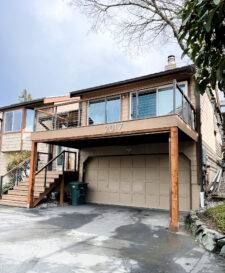
What Bellingham's Climate Does to the Wrong Siding
Salt Air
Bellingham's proximity to saltwater means airborne salt is a constant, low-level presence on exterior surfaces. Over time it accelerates corrosion of fasteners and trim metal, and it degrades the surface finish of products that weren't engineered with coastal exposure in mind. Paint-grade wood and some composite products chalk and fade faster under this kind of exposure than manufacturers' generic warranty language tends to suggest.
Driving Rain
Whatcom County doesn't just get rain — it gets wind-driven rain that hits walls at an angle, working its way into any gap, unsealed joint, or poorly lapped seam. This is the single biggest driver of hidden moisture damage behind siding. The siding material matters less here than the installation details: flashing, lap sequencing, and drainage plane continuity are what actually keep water out.
Moss Season
Shaded walls, gutters that discharge onto siding, and the long stretch of wet months from fall through spring give moss and algae plenty of time to take hold. Moss isn't just cosmetic — it holds moisture against the wall surface, which is a problem for any siding material that isn't dimensionally stable or that absorbs water at a cut edge or fastener hole.
Why We Install Only James Hardie Fiber Cement Siding
We made a decision to standardize on James Hardie fiber cement siding rather than offer a menu of vinyl, LP SmartSide, cedar, or primed spruce alongside it. Fiber cement is non-combustible, dimensionally stable in wet-dry cycling, and doesn't feed moss or rot the way wood-based products can once a finish is compromised. Hardie's ColorPlus factory finish is baked on under controlled conditions, which holds color and resists the fading and chalking that salt air accelerates in field-applied paint.
That doesn't mean every other product is unusable — vinyl and LP SmartSide have their place and their fans. But in a climate that combines coastal salt exposure, sustained wind-driven rain, and long wet seasons, we'd rather stand behind one product system we know performs and that we can warranty with confidence than offer options we'd have to caveat.
What a Correct Siding Installation Actually Involves
Tear-Off and Wall Inspection
Before any new siding goes up, the old material comes off and the sheathing underneath gets inspected. This is where hidden moisture damage from years of driving rain and failed flashing usually turns up. Skipping this step, or only doing a partial tear-off, is how new siding ends up installed over a wall that's already compromised.
Weather-Resistive Barrier and Flashing
A correctly lapped weather-resistive barrier, properly flashed windows and doors, and flashing at every horizontal transition (roof lines, decks, trim boards) are what actually stop wind-driven rain from reaching the sheathing. This layer does more work than the siding itself when it comes to keeping a Columbia home dry.
Hardie Panel Installation to Spec
James Hardie publishes specific installation requirements — fastener type and spacing, minimum clearances above grade and roof lines, caulking at butt joints, and starter strip placement. Installing to spec isn't optional paperwork; it's what keeps the manufacturer's warranty valid and what actually prevents the moisture intrusion and moss-friendly gaps that shortcuts create.
Trim, Caulking, and Finish Details
The last few feet of any installation — corner trim, J-channel, caulk lines, touch-up paint at cut edges — are where a rushed job shows first. These details determine whether water sheds cleanly off the wall or finds a place to sit and start the moss cycle over again.
Choosing the Right Hardie Product for Columbia's Exposure
James Hardie's product lines aren't interchangeable — each is suited to different exposure levels and architectural styles. For a Columbia home, exposure (how much direct rain and salt air a wall actually takes) matters as much as looks.
| Product | Best Suited For | Key Consideration in This Climate |
|---|---|---|
| HardiePlank Lap Siding | Most home styles, full wall coverage | Widely used; performs well against driving rain when lapped and flashed correctly |
| HardiePanel Vertical Siding | Modern styles, accent walls, gable ends | Fewer horizontal laps means fewer potential water entry points on high-exposure walls |
| HardieShingle | Craftsman and cottage-style homes | More surface texture, which can hold moisture longer in shaded, moss-prone areas if not detailed well |
| HardieTrim | Corners, window and door trim, fascia | Paired with panel or plank to close out vulnerable edges and transitions |
We'll walk through which line fits a given home's exposure, roofline, and existing trim during the estimate — there's no single "right" answer for every house in the neighborhood.
Our Process, Start to Finish
- On-site assessment — we look at wall exposure, existing moisture damage, and flashing conditions specific to the property.
- Product and color selection — matched to the home's exposure and the owner's preferences, drawing from Hardie's climate-engineered HZ product lines.
- Written estimate — clear scope, material, and timeline, no vague allowances.
- Tear-off and sheathing repair — any rot or damage found is addressed before new material goes up, not covered over.
- Installation to manufacturer spec — flashing, weather barrier, fastening, and clearances done to keep the warranty intact.
- Final walkthrough — trim, caulking, and touch-up checked before we call the job done.
What Drives the Cost of a Siding Job in Columbia
| Factor | Why It Matters Here |
|---|---|
| Extent of tear-off and sheathing repair | Moisture damage from years of driving rain often isn't visible until old siding comes off |
| Wall exposure and complexity | Homes with more corners, dormers, and trim take longer to flash and detail correctly |
| Product line selected | Plank, panel, and shingle profiles differ in material and labor cost |
| Access and site conditions | Lot slope, landscaping, and proximity to neighboring structures affect scaffolding and staging |
| Trim and accessory scope | Full trim replacement adds cost but closes out the weak points where water and moss typically start |
We give a straightforward written estimate after seeing the actual wall conditions — broad cost ranges without an on-site look aren't useful to homeowners trying to plan a real budget.
Checklist: What to Ask Before Hiring a Siding Crew in Columbia
- Do they inspect and repair sheathing before installing new siding, or just cover over what's there?
- Do they follow James Hardie's published fastening, clearance, and flashing requirements?
- Can they explain how they handle wind-driven rain at window and door flashing?
- Do they carry manufacturer certification that keeps the material warranty valid?
- Will they put wall exposure, product line, and scope in writing before starting?
- Do they have experience with the moss and moisture patterns specific to this part of Bellingham?
Why a Crew That Already Works in Columbia Matters
Siding installation isn't a one-size-fits-all trade, and a neighborhood like Columbia has its own patterns — which walls take the worst of the wind-driven rain, where moss shows up first, how salt air affects trim and fasteners over time. A crew that's already worked on homes in this part of Bellingham has seen those patterns firsthand, not just in a training manual. That familiarity shows up in small decisions on the job: where to add extra flashing, which walls need a more moisture-resistant product line, and how to detail trim so it doesn't become the first place moss takes hold.
It also means faster, more accurate estimates. When we've already worked on homes with similar exposure and age in the area, we're not guessing at what's likely hiding behind the old siding — we have a realistic sense of it going in.
Get a Straightforward Estimate
If your Columbia home's siding is showing fading, soft spots, or moss buildup, it's worth getting a professional look before those issues spread further. We offer free, no-pressure estimates — use the form below to schedule a time for us to take a look and walk you through what your home actually needs.