 Bellingham Window
 Deck Repair for Cordata Homes
Cordata sits in north Bellingham, close enough to the water that salt-tinged air rides in on the marine wind, and far enough inland that fog and standing moisture linger under tree cover longer than homeowners expect. Add Whatcom County's long, wet winters and the mild, humid shoulder seasons on either side, and you get a climate that is genuinely hard on exterior wood structures. A deck in Cordata doesn't fail because it was built badly — it fails because Pacific Northwest weather works on it twelve months a year, and most repair work only addresses what's visible on the surface.
We repair decks in this neighborhood regularly, and the pattern is consistent: homeowners call about a soft board or a wobbly rail, and when we get under the deck, the real damage is at the connections and the framing, not just the decking. This page covers what actually goes wrong here, what a correct repair looks like, and how we approach the work.
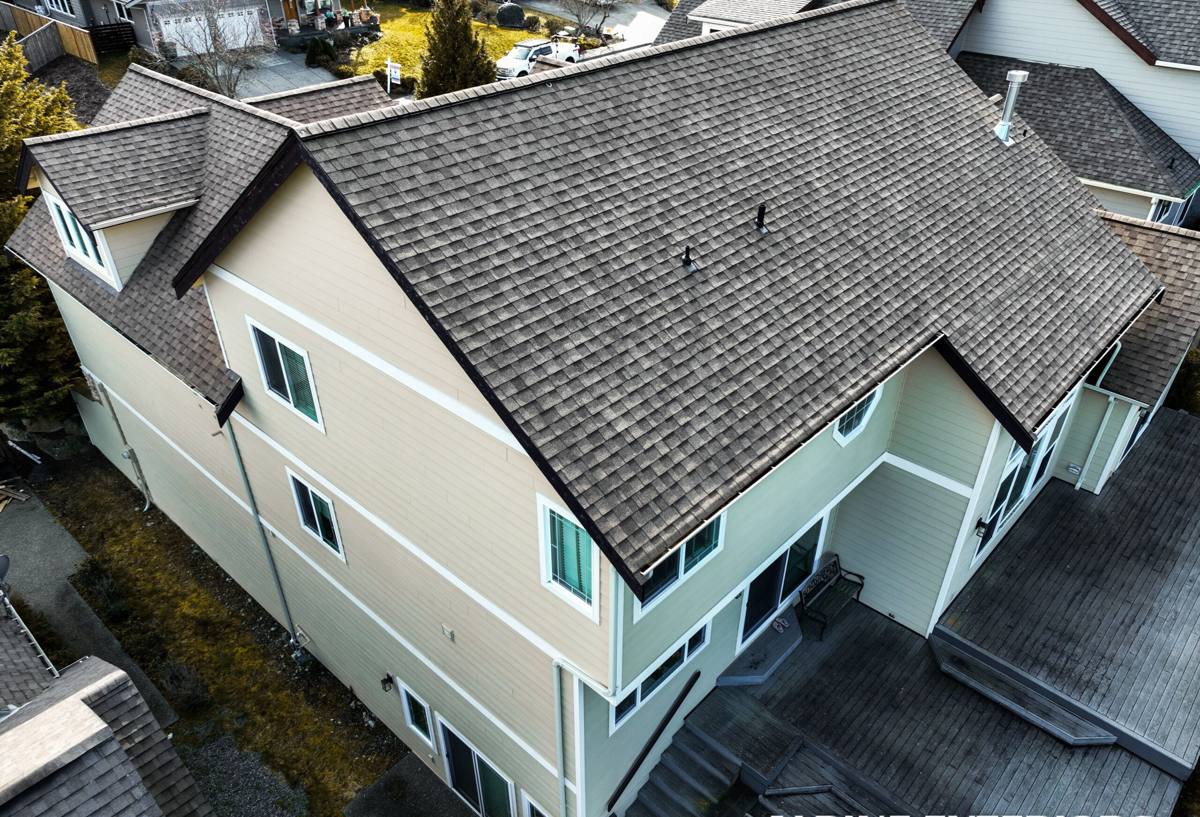
Why Decks in This Area Take More Damage
A few things compound in Cordata and the surrounding Bellingham area that don't show up the same way in drier climates:
Salt Air and Fastener Corrosion
Even a few miles from Bellingham Bay, airborne salt accelerates corrosion on fasteners, joist hangers, and any exposed metal hardware. Once a nail or screw starts rusting, it loses grip strength long before it looks obviously bad from above. This is one of the most common hidden causes of a deck that feels "loose" even though the boards themselves look fine.
Driving Rain and Moisture Intrusion
Wind-driven rain doesn't fall straight down — it gets pushed sideways into ledger boards, stair stringers, and the gap where decking meets the house. Water that gets forced into these joints doesn't dry quickly under our cloud cover, so it sits, soaks into end grain, and starts rot from the inside of a board outward, which is exactly why damage is often worse than it looks from the top.
Moss and Algae Season
Whatcom County's moss season runs long — shaded, north-facing, or tree-covered decks can stay damp from October through May. Moss and algae hold moisture against the wood surface, which softens fibers, degrades finishes, and makes boards slicker and more dangerous underfoot. A deck that's constantly damp also ages faster structurally, not just cosmetically.
Signs a Cordata Deck Needs Repair, Not Just Cleaning
Not every stained or mossy deck needs structural work, but some symptoms mean the problem has moved past the surface. If you're seeing any of the following, it's worth having it looked at before the wet season makes it worse:
- Boards that feel spongy, springy, or soft when you press on them with a foot
- Visible gaps opening up between decking boards or at board ends
- Railings or posts that wiggle, especially at the base connection
- Rust streaks running down from screws, nails, or hardware
- A ledger board (where the deck attaches to the house) that looks dark, swollen, or separated from the siding
- Stairs that feel uneven, bouncy, or have a stringer showing cracking
- Persistent moss or black staining that comes back within weeks of cleaning
- A musty smell coming from underneath the deck
What Causes Most of the Damage We Find
When we open up a deck for repair, the damage almost always traces back to one of a handful of root causes rather than the wood simply "wearing out":
| Cause | What It Looks Like | Why It Happens Here |
|---|---|---|
| Ledger board rot | Soft, dark wood where deck meets house | Flashing missing or failed, letting driving rain behind the ledger |
| Corroded fasteners | Rust stains, loose boards, weak joist hangers | Salt air plus years of moisture cycling |
| Post-base rot | Soft wood at the bottom of support posts | Standing water where the post meets grade or a concrete footing |
| Trapped moisture between boards | Dark staining, splinter-prone surfaces | Boards installed too tight, gaps clogged with debris and moss |
| Under-deck rot | Soft joists, sagging in the middle of spans | Poor airflow under low-clearance decks common in newer builds |
Our Deck Repair Process
1. Inspection From Below and Above
We start underneath the deck, not on top of it, because that's where structural problems actually show up first. We check ledger attachment, joist condition, post bases, and hardware before ever looking at the walking surface. A deck can look fine from above and still have a compromised ledger connection underneath.
2. Isolating What's Actually Failed
Repair work should target the damaged material, not the whole structure. We probe suspect boards and framing members to find the real boundary of rot or corrosion rather than guessing, so we're not replacing sound wood unnecessarily or leaving compromised wood behind.
3. Fixing the Cause, Not Just the Symptom
If a board rotted because water was pooling behind bad flashing, replacing the board without fixing the flashing just buys you another few years before the same repair. We address the moisture path — flashing, drainage, gaps, ventilation — as part of the repair, not as an upsell afterward.
4. Matching Hardware to the Environment
Given the salt air and moisture load in this part of Bellingham, we use corrosion-resistant fasteners and connectors rated for exterior, coastal-adjacent exposure rather than standard interior-grade hardware. This is a small material cost difference that has an outsized effect on how long a repair lasts.
5. Finish and Protection
Once structural work is done, exposed wood gets sealed or finished appropriately for the material, and we make sure water has somewhere to go rather than pooling against new repairs.
Repair vs. Replace: How We Decide
Homeowners often assume any rot means a full deck replacement. That's frequently not true — but sometimes it is the more honest answer. Here's how we think about it:
| Factor | Favors Repair | Favors Replacement |
|---|---|---|
| Extent of damage | Isolated to a few boards, one post, or one section | Rot found at multiple structural points or the ledger |
| Age of the deck | Under 15-20 years, otherwise sound | Original framing near end of typical service life |
| Framing condition | Joists and beams solid, only surface material affected | Joists soft or undersized by current code |
| Code compliance | Railings, stairs, and connections already meet current standards | Older railing height, spacing, or attachment doesn't meet code |
| Budget goal | Extend usable life at lower cost | Want a long-term reset and updated layout or materials |
We'll tell you plainly which category your deck falls into. If a repair is the honest answer, we won't talk you into a replacement, and if the framing is genuinely compromised, we won't patch over it and let you find out the hard way next winter.
A Practical Repair Checklist for Homeowners
Before calling anyone for deck repair, a quick walk-around can help you describe the problem accurately and get a more useful estimate. Check for:
- Soft spots — press firmly on boards, especially near the house and stair landings
- Movement at railings and posts when you push side to side
- Rust streaking below any visible screws or brackets
- Gaps or separation where the deck meets the siding
- Standing water or slow drainage after rain
- Moss or algae that returns quickly after cleaning
- Any area that feels different underfoot than the rest of the deck
Why It Matters to Hire a Crew That Already Works in Cordata
Deck problems in this part of Whatcom County follow patterns that aren't identical to decks in drier inland climates. A crew that repairs decks across the Bellingham area regularly recognizes ledger rot from driving rain, corrosion patterns from salt air, and moss-driven surface breakdown on sight, instead of treating every deck as a generic repair job. That familiarity shortens the inspection, reduces guesswork, and means the fix accounts for the actual conditions the deck will keep facing — not just the damage that's already there.
Local experience also matters for permitting and code awareness on railing height, guard spacing, and structural connections, which can come into play on older decks being repaired rather than replaced.
Keeping a Repaired Deck in Good Shape
A repair holds up much longer with basic seasonal upkeep, particularly given how long the wet season runs here:
- Sweep debris out of board gaps before fall rains set in, so water and organic matter don't sit and feed moss growth
- Rinse off moss and algae buildup before it has a chance to soften the wood surface
- Check hardware and railings for movement once a year, ideally before winter
- Keep gutters and downspouts near the deck clear so runoff isn't dumping directly onto it
- Reapply sealant or finish on the schedule appropriate to the material — sooner for high-exposure areas
If you're seeing soft boards, a wobbly railing, or a deck that just doesn't feel as solid as it used to, we're happy to take a look and give you a straight answer about what it needs. Fill out the form below for a free, no-pressure estimate.