 Bellingham Window
 Building a Deck That Actually Fits South Hill
South Hill is one of Bellingham's older hillside neighborhoods, and it presents a different set of building conditions than a flat lot on the valley floor. Sloped grades, mature tree cover, and homes positioned to take in views of the bay or the surrounding hills all shape how a deck needs to be designed and built. A deck plan that works fine on a level lot in a newer subdivision can run into real problems once you add elevation, shade, and Whatcom County's wet weather to the mix.
This page is about one thing: building custom decks correctly for South Hill homes, given the terrain and the climate the deck will actually have to live in. Not a generic "we build decks" pitch — the specific decisions that matter for this neighborhood.
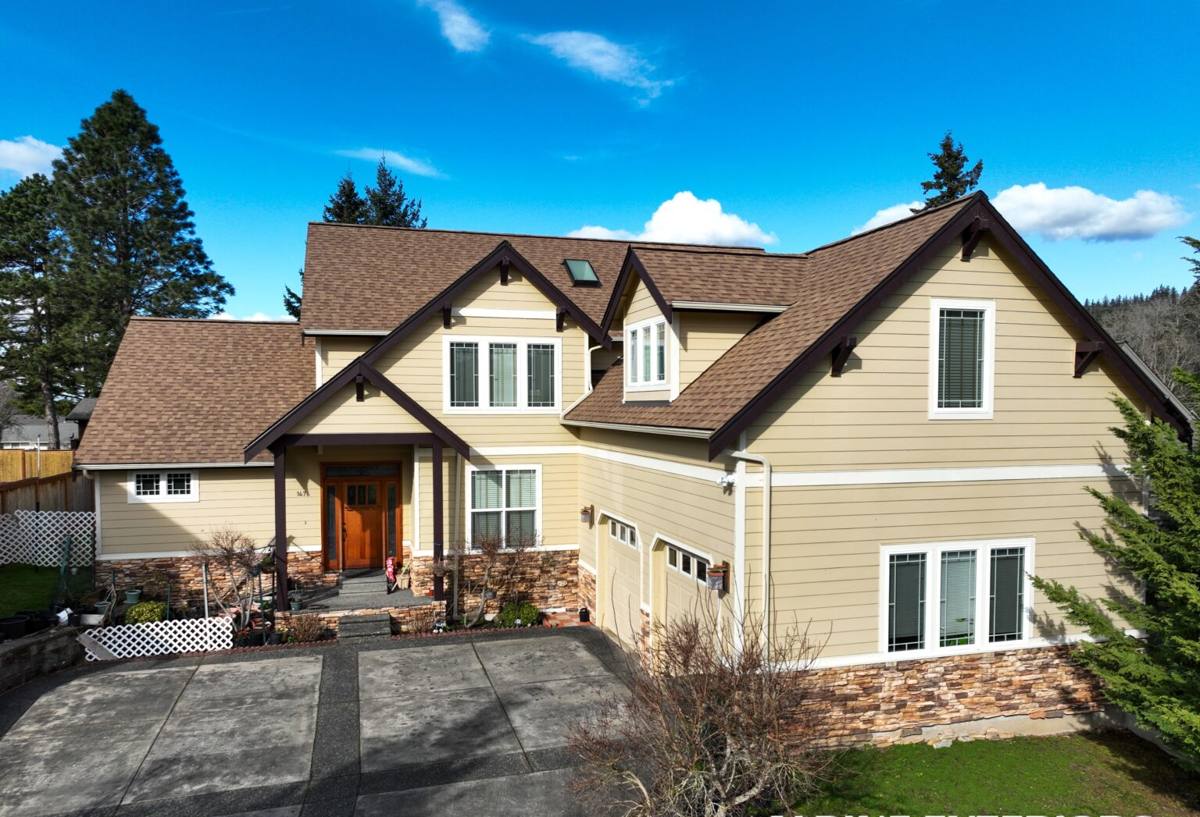
What Bellingham's Climate Does to a Deck Over Time
Whatcom County sits right on the water, and that comes with a few specific problems for anything built outdoors and left there for twenty years.
Salt Air and Corrosion
Proximity to Bellingham Bay means a steady low level of salt in the air, especially on homes with any water exposure or elevation that catches wind off the water. Salt air accelerates corrosion in fasteners, joist hangers, and structural hardware faster than it would inland. A deck built with standard hardware store screws and generic hangers will show rust bleed and weakened connections years before it should.
Driving Rain
Rain here doesn't just fall straight down — wind-driven rain off the Sound and the hills pushes moisture sideways, into ledger connections, under railings, and into any gap in flashing or decking that wasn't detailed correctly. On an elevated hillside lot, wind exposure is often higher than on a sheltered valley property, which makes this worse, not better.
A Long Moss Season
Shaded, tree-covered lots — common on South Hill — stay damp longer after every rain, and moss and algae get a real head start on decking surfaces, especially north-facing decks or ones tucked under tree canopy. Moss isn't just cosmetic. It holds moisture against the decking surface, and on wood decking that means accelerated rot in exactly the boards that see the least sun.
South Hill's Terrain and What It Means for the Build
A flat-lot deck and a hillside deck are not the same project, even if the finished square footage looks similar.
Sloped Lots and Footings
Many South Hill properties have meaningful grade change between the house and the yard, which usually means taller posts, engineered footings, and sometimes a multi-level deck design rather than a single flat platform. Footings on a slope need to be sized and placed correctly for the actual soil and drainage conditions on that specific lot — this is not a spot to guess.
Drainage Under the Deck
On a sloped, tree-shaded lot, water doesn't always drain away from the house the way it would on flat ground. A deck built without attention to where water actually goes underneath it can end up sitting over a damp, poorly ventilated space — which feeds rot and moss both. Grading and ventilation under the deck matter as much as what's on top of it.
Tree Cover and Structural Planning
Mature trees are part of what makes South Hill lots desirable, but root systems, shade patterns, and debris (needles, leaves, seed pods) all affect deck placement, footing location, and how much maintenance the finished deck will realistically need.
Choosing the Right Decking Material for This Climate
There's no single "best" decking material — the right choice depends on how much shade the deck gets, how much maintenance the homeowner wants to do, and budget. Here's how the common options actually perform in Bellingham's conditions:
| Material | Upfront Cost | Moss/Moisture Behavior | Maintenance | Realistic Lifespan Here |
|---|---|---|---|---|
| Cedar | Moderate-High | Naturally rot-resistant, but still needs sealing to fight moss and graying | Annual cleaning and periodic sealing | 15-20 years with upkeep |
| Pressure-Treated Fir/Pine | Lowest | Treated for rot, but end cuts and fasteners are vulnerable; moss grows readily if not cleaned | Regular cleaning, sealing every 2-3 years | 10-15 years |
| Composite Decking | Higher | Resists moisture absorption well; some early composite products struggled with moss/mildew, current capped composites handle it far better | Periodic washing, no sealing needed | 25+ years, manufacturer-warrantied |
Our default recommendation for shaded or heavily tree-covered South Hill lots is a capped composite product, simply because it holds up better to sustained dampness with less homeowner maintenance. For sunnier, more open lots, cedar remains a solid choice for homeowners who like a natural wood look and are willing to do the upkeep.
What a Correctly Built Deck Involves
The visible decking boards are the smallest part of whether a deck holds up in this climate. The details that actually determine longevity are mostly hidden:
- Ledger board flashing that properly sheds water away from the house band joist, not just a bead of caulk
- Joist tape over the top of every joist to stop water from wicking into end grain
- Stainless steel or heavy coated fasteners and structural hardware, sized for coastal exposure rather than generic interior-grade hardware
- Footings sized and placed for the specific slope and soil on that lot, not a one-size-fits-all spec
- Proper board spacing and airflow underneath to let the structure dry out between rain events
- Guardrails and stair rails built to current code height and baluster spacing, especially important on elevated hillside decks
Permits and Code in Bellingham and Whatcom County
Most decks above a certain height or attached to the home require a building permit through the City of Bellingham or Whatcom County, depending on where the property sits. Elevated decks — common on sloped South Hill lots — get extra scrutiny on guardrail height, footing depth, and ledger attachment, because the consequences of a failure are more serious the higher off the ground the deck sits. We handle the permit submission and inspection scheduling as part of the job, so the homeowner isn't the one chasing down approvals.
Our Process
- Site visit — we walk the actual lot, note the slope, tree cover, drainage, and sun exposure, and talk through how the family wants to use the space.
- Design and material selection — layout, decking material, and railing style are decided together, with honest tradeoffs laid out for each option.
- Permitting — we prepare and submit what's required for the jurisdiction the property falls under.
- Build — footings, framing, flashing, and decking installed in sequence, with the hidden protective details done right the first time.
- Final walkthrough — we go over the finished deck together, including what maintenance it will actually need going forward.
Cost Factors on a South Hill Deck
Every deck is priced individually, but the same handful of factors move the number up or down on nearly every South Hill project:
| Factor | Why It Matters Here |
|---|---|
| Slope and footing depth | Steeper lots need taller posts, more engineering, and often more footings |
| Decking material | Composite costs more upfront than pressure-treated but needs far less maintenance over time |
| Deck height and railing requirements | Elevated decks need code-compliant guardrails and sometimes stairs, which add material and labor |
| Access to the build site | Hillside lots with limited equipment access can add time to material staging and footing work |
| Tree removal or root work | Working around root systems sometimes requires extra care or minor grading |
Maintaining a Deck in This Climate
Whatever material a homeowner chooses, a South Hill deck will need some seasonal attention because of the moss season and steady moisture. A simple annual routine — clearing debris, washing off moss and algae buildup before it takes hold, checking that gaps between boards haven't filled with organic debris, and re-sealing wood decking on the schedule it needs — is what actually determines whether a deck looks and performs well at year fifteen versus year five.
Signs Your Existing Deck May Need Attention
- Soft or spongy spots underfoot, especially near the ledger board or post bases
- Persistent moss or dark staining that comes back within weeks of cleaning
- Rust streaking around fasteners or hardware
- Railings or stair rails that feel loose or wobble under pressure
- Gaps or separation where the deck meets the house
Why It Matters to Hire a Crew That Already Works South Hill
A contractor who already builds and repairs decks in this specific neighborhood has seen how the slopes actually drain, which lots hold moisture longest under tree cover, and what the local permitting process expects for elevated structures. That's not something a crew coming in cold from outside the area picks up on the first job — and on a hillside lot, the difference between a deck that's engineered for the actual slope and one that's built to a generic plan shows up as problems years later, not on day one.
If you're planning a new deck or replacing one that's past its prime, we're happy to come take a look and talk through what makes sense for your specific lot. Fill out the form below for a free, no-pressure estimate.