 Bellingham Window
 Windows Built for Birchwood's Weather, Not Just the Showroom
Birchwood sits close enough to Bellingham Bay and the surrounding waterways that homes here take on a specific mix of weather stress: salt-tinged air moving in off the water, long stretches of driving rain through fall and winter, and a moss season that seems to start earlier every year. None of that is unusual for Whatcom County, but it does mean windows here work harder than windows in a drier inland climate. A window that's "fine" in Spokane can start failing in Birchwood within a few winters if it wasn't installed with this specific exposure in mind.
We're a Bellingham-based crew that works this neighborhood regularly, which matters more than most homeowners realize. Custom window work isn't just picking a size and brand off a chart — it's matching the unit, the flashing detail, and the installation method to what a specific wall assembly in a specific microclimate needs to hold up over decades, not years.
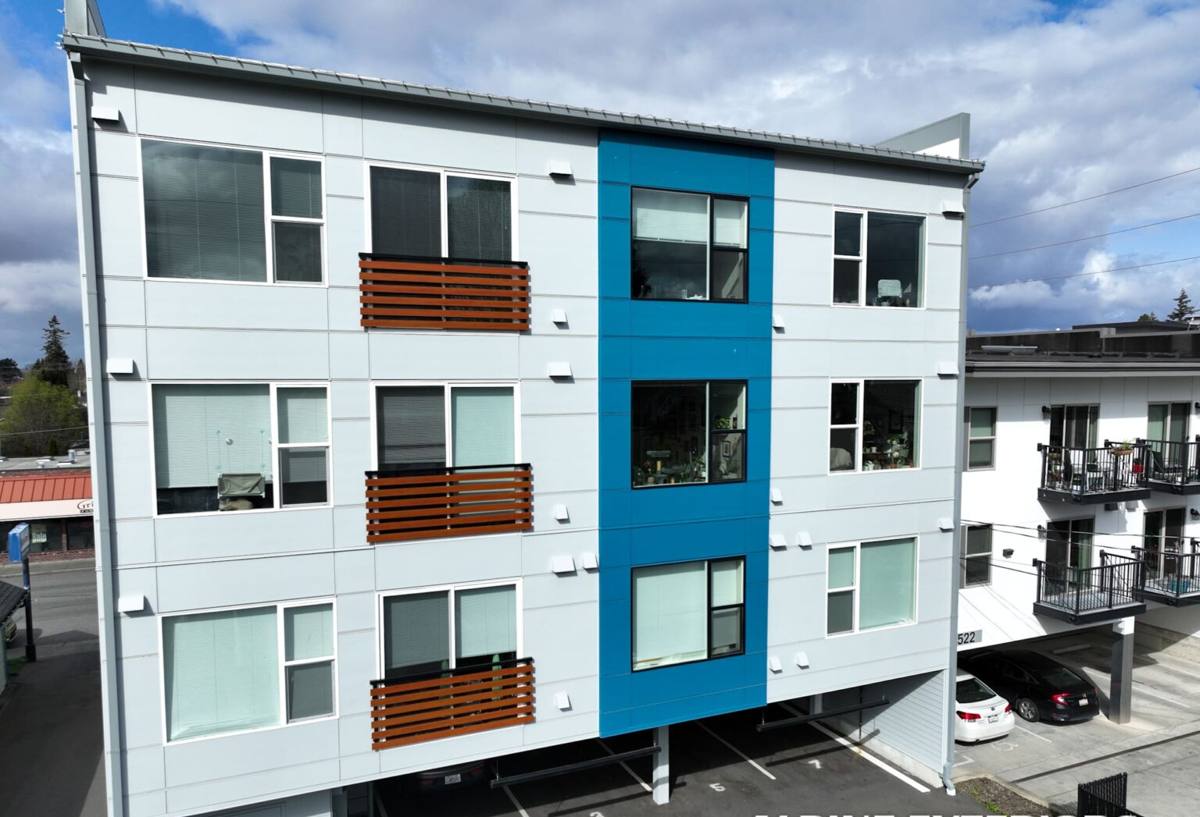
What Birchwood's Climate Actually Does to Windows
Salt Air and Metal Fatigue
Homes closer to the water deal with airborne salt that accelerates corrosion on hardware — hinges, cranks, locks, and especially lower-cost aluminum components. Over time this shows up as stiff or sticking operation, pitting on exposed metal, and finish that dulls faster than it should. It's not a reason to avoid certain window styles, but it is a reason to be deliberate about hardware quality and finish specification when we spec a custom order for this area.
Driving Rain and Wind-Driven Water
Bellingham's rain rarely falls straight down. Storms off the Strait push rain sideways against west- and south-facing walls, which means the water management around a window — not just the window unit itself — is doing most of the real work. A beautiful window with a mediocre flashing job will leak eventually. It's almost always a matter of when, not if.
Moss, Algae, and Trapped Moisture
Extended damp seasons feed moss and algae growth on siding, trim, and anywhere water sits instead of draining. Around windows, that usually means sills, drip caps, and the transition between window trim and siding. If those details don't shed water cleanly, you get organic growth that holds moisture against wood trim and, eventually, against the wall assembly behind it.
What a Correct Custom Window Installation Involves Here
"Custom" windows means the unit is built to the actual rough opening rather than forcing a standard size to fit — common in Birchwood's mix of older homes with settled framing and additions that don't match the original structure's dimensions. Getting that right involves more steps than a straightforward replacement:
- Accurate field measurement of each opening, including checking for square, level, and plumb — older openings are rarely perfectly true
- Inspection of the existing sheathing and framing for hidden rot or water damage before the new unit ever goes in
- Correct flashing sequence — sill pan, jamb flashing, and head flashing installed in the right shingle-lap order so water is directed out, not in
- Proper sealant selection and placement — sealing the wrong joints, or sealing everything solid, can trap moisture instead of letting it drain
- Insulating the gap between the frame and rough opening without over-packing it, which can bow the frame and cause operational problems
- Interior and exterior trim work that matches the home and doesn't create new spots for water to collect
Skipping or rushing any one of these steps is how a window that looked fine on install day starts showing water stains, soft trim, or drafts two or three winters later — right on schedule with Whatcom County's wet season.
Signs Your Current Windows Are Losing the Fight
Homeowners in Birchwood often live with early warning signs for years before addressing them, mostly because they're easy to write off as minor. Worth taking seriously:
- Condensation forming between panes on double- or triple-glazed units — a sign the seal has failed
- Visible gaps or daylight around the frame when the window is closed
- Soft or discolored wood trim on the exterior, especially at the sill
- Persistent moss or dark streaking below the window that returns shortly after cleaning
- Windows that are noticeably harder to open, close, or lock than they used to be
- A draft you can feel near the window even when it's fully latched
Any one of these can be minor on its own. Two or three together usually means the window assembly — not just the glass — needs a real look.
Comparing Frame Materials for This Climate
There's no single "best" window material — the right call depends on the home's age, exposure, and budget. Here's how the common options actually perform under Bellingham's coastal, wet conditions:
| Frame Material | Moisture Resistance | Maintenance | Typical Lifespan |
|---|---|---|---|
| Vinyl | Very good — won't rot, minimal corrosion risk | Low — occasional cleaning | 20–30 years |
| Fiberglass | Excellent — very stable in wet/dry cycling | Low | 30-plus years |
| Wood (clad exterior) | Good if cladding and flashing are correct; vulnerable where cladding is damaged | Moderate — interior wood, exterior finish checks | 20-plus years with upkeep |
| Aluminum | Fair — prone to corrosion near salt air unless properly finished | Moderate — watch hardware and finish | 15–25 years in coastal exposure |
For homes closer to the water in Birchwood, we generally steer clients toward fiberglass or quality vinyl for the frame itself, and we're careful about hardware specification on any material given the salt-air factor. Wood-clad windows still have a place, especially on homes where the architectural look matters, but we're upfront that they need more attentive maintenance in this climate.
Our Process, Start to Finish
- On-site assessment — we look at existing windows, surrounding trim, and any signs of water intrusion before recommending anything
- Measurement and product selection — custom sizing for each opening, with frame material and glass package matched to the wall's sun and rain exposure
- Order and lead time review — we walk you through realistic timing so there are no surprises
- Removal and opening prep — old units come out carefully, and we inspect the opening for hidden damage before anything new goes in
- Installation with full flashing and drainage detail — sill pan, flashing sequence, insulation, and sealant done in the correct order
- Trim and finish work — interior and exterior trim completed to match the home
- Final walkthrough — every window operated and checked with you before we consider the job done
What Drives Cost on a Custom Window Project
| Factor | Why It Matters |
|---|---|
| Number and size of openings | More or larger windows means more material and labor |
| Frame material | Fiberglass and premium vinyl typically cost more upfront than basic vinyl or aluminum |
| Glass package | Double vs. triple pane, and low-E coatings, affect both price and long-term energy performance |
| Condition of the existing opening | Hidden rot or framing repair adds labor once discovered |
| Access and site conditions | Second-story or hard-to-reach windows take more time and equipment |
| Trim and finish complexity | Matching existing architectural trim work adds labor over a basic install |
Costs vary widely project to project, which is exactly why we do a proper on-site assessment rather than quoting sight-unseen. Anyone quoting a whole-house price over the phone is guessing.
Why a Bellingham Crew That Knows This Area Matters
Birchwood's mix of home ages and its proximity to the water mean the same window spec doesn't work the same way on every street. A crew that installs windows across a variety of climates might not think twice about a flashing detail that's optional in a dry region but non-negotiable here. Working Whatcom County regularly means we've seen how a rushed or generic install shows up two winters later — soft trim, stained siding, seals that failed early — and we build every job to avoid repeating those patterns.
Being local also means we're not disappearing after the invoice is paid. If something needs a follow-up look after a hard storm season, we're a short drive away, not a call center.
A Simple Pre-Project Checklist
- Walk your home's exterior after a hard rain and note any staining, streaking, or moss buildup near windows
- Check each window for condensation between panes, sticking operation, or visible gaps
- Note which walls take the worst wind-driven rain — usually west or south-facing on Birchwood lots
- Decide on priorities: energy performance, low maintenance, matching existing trim, or a mix
- Ask any contractor you're considering how they handle flashing and sill pan detail — the answer tells you a lot
If you're seeing any of the warning signs above, or you're simply planning ahead for a home in the Birchwood area, we're happy to come take a look. There's no pressure and no obligation — just a straight assessment of what your windows actually need. Fill out the form below to schedule a free estimate.