 Bellingham Window
 Why Edgemoor Homes Are Hard on Windows
Edgemoor sits close to Bellingham Bay, under heavy tree cover, on lots that see more moisture exposure than homes further inland in Whatcom County. That combination of salt-laden air, wind-driven rain, and shade that never fully dries out is a tough environment for windows. It's not unusual for a window that's held up fine in a drier, sunnier part of town to fail early in Edgemoor simply because of where it sits.
Salt air is corrosive to metal hardware, screws, and cheaper aluminum components. Driving rain from Pacific storms pushes water sideways into gaps that would stay dry in a calmer climate. And the long stretch of wet, low-light months every year gives moss, algae, and mildew months to establish themselves on sills, tracks, and exterior trim before summer sun ever dries things out. None of this means Edgemoor homes need exotic solutions — it means the replacement has to be done with this specific exposure in mind, not treated like a generic swap.
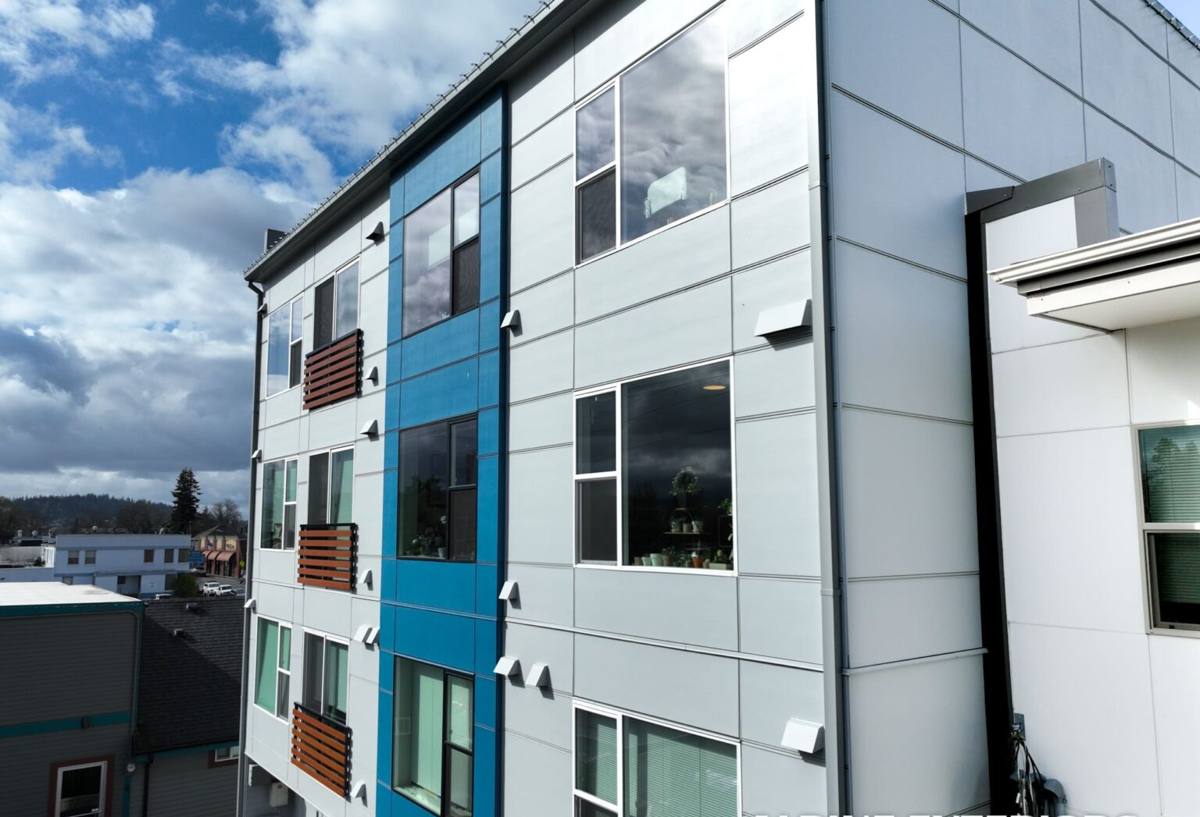
Signs a Window Is Losing the Battle
Because failure in this climate tends to be gradual and moisture-driven, homeowners often live with early warning signs for a year or two before calling anyone. Worth checking for:
- Black or green staining on the sill or lower sash, even after cleaning
- Soft or spongy wood around the frame when you press on it
- Persistent fogging between the panes of a double-pane unit — a sign the seal has failed
- Windows that stick, won't stay open, or need force to latch
- A cold draft near the frame on windy, rainy days
- Paint or finish that keeps peeling in the same spot no matter how often it's repainted
Any one of these on its own might just need a repair. Several at once, especially on the weather-facing side of the house, usually means the window and its surrounding flashing have been letting moisture in for a while.
What a Correct Replacement Actually Involves
The window unit itself is only part of the job. In a wet, wind-exposed neighborhood like Edgemoor, the install detailing matters as much as the product. A correct replacement includes:
Removing the Old Unit Without Guessing
We pull the existing window and inspect the rough opening before anything new goes in. This is where hidden problems show up — rot in the sill framing, missing or failed flashing, insulation that's been wet for years. Skipping this step and just caulking a new window into a bad opening is how the same failure comes back in five years instead of twenty.
Sill Pan and Flashing
A sloped sill pan and properly lapped flashing (integrated with the house wrap, not just taped over it) is what actually keeps wind-driven rain from tracking behind the wall. This detail matters more here than in drier parts of the state, because Bellingham gets rain from the side, not just from above.
Setting and Sealing the Window
Shimmed level and square, fastened per the manufacturer's schedule, and sealed with the right sealant in the right locations — not sealant everywhere, which can actually trap moisture instead of shedding it.
Interior and Exterior Finish
Trim, insulation around the frame, and paint or caulk lines finished cleanly so the window looks and performs like part of the house, not an add-on.
Choosing Materials for a Salt-Air, High-Moisture Site
There's no single "best" window material for every house, but some hold up more predictably than others in Edgemoor's conditions. Here's how the common options compare for this specific environment:
| Material | Moisture Performance | Maintenance | Trade-offs |
|---|---|---|---|
| Vinyl | Good — won't rot, resists corrosion | Low | Frame flexes more in temperature swings; limited color options long-term |
| Fiberglass | Very good — dimensionally stable, resists moisture and corrosion | Low | Higher upfront cost than vinyl |
| Aluminum-clad wood | Good exterior protection if the cladding and flashing are done right | Moderate — interior wood still needs attention | More installation-sensitive; a poor seal lets moisture get trapped behind the cladding, which is a bigger risk here than in a dry climate |
| Bare wood | Weakest in this climate without diligent upkeep | High — regular refinishing needed | Attractive but requires real commitment to maintenance given the wet season length |
| Uncoated aluminum frame | Poor near the bay — salt air accelerates corrosion and hardware failure | Moderate | We generally steer homeowners away from this near the water unless it's a marine-rated product |
We're not tied to one brand or material — we'll tell you honestly what fits your house, your budget, and how exposed your specific windows are to weather and salt air. A north-facing window under a covered porch has different needs than a south-facing bay window catching full weather off the water.
Our Process, Start to Finish
- On-site assessment — we look at each window individually, not just the house as a whole, since exposure varies window to window on the same home
- Honest recommendation — which windows need replacement now, which can wait, and what material makes sense for each location
- Clear written estimate — no vague allowances, no surprise add-ons once work starts
- Scheduling around the weather — we plan install days to minimize how long any opening sits exposed, which matters more here than in a dry-summer climate
- Installation with proper flashing and sealing — as described above, done to manufacturer specification
- Cleanup and walkthrough — we show you the finished work and how to care for it
What Drives the Cost
Every house is different, but these are the factors that most often move the price up or down for Edgemoor jobs specifically:
| Factor | Why It Matters Here |
|---|---|
| Rot repair needed at the opening | Common on older homes with years of moisture exposure behind the trim |
| Window material chosen | Fiberglass and clad-wood cost more upfront than vinyl but often make sense on weather-exposed sides |
| Access and height | Tree-shaded, multi-story homes near the water sometimes need staging or extra care around landscaping |
| Number of windows done at once | Bundling multiple windows in one visit typically reduces the per-window cost |
| Full-frame vs. insert replacement | Full-frame costs more but is the right call when the existing frame or flashing has already failed |
We'll walk through which of these apply to your house before giving you a number, so the estimate reflects your actual windows, not a generic average.
Before You Sign With Anyone
Whether you go with us or someone else, a few things are worth confirming with any contractor doing window work in this climate:
- Do they inspect the rough opening before quoting, or just measure the existing window?
- Can they explain their flashing and sill pan detail in plain language?
- Are they licensed and insured to do this work in Washington State?
- Do they offer a warranty on both the product and their installation labor, not just the product?
- Will they show you what they found once the old window is out, before closing it back up?
A contractor who can't answer these clearly is a bigger risk in a wet, coastal neighborhood than in a drier climate, because a bad seal here shows up as rot within a few seasons, not a decade.
Why Local Experience in Edgemoor Matters
We work in Bellingham and across Whatcom County regularly, which means we've seen how the same window product performs differently depending on exposure to the water, shade, and prevailing storm direction. A crew that mostly works inland or in a different climate zone may not think twice about flashing details or moss-prone sill design that make a real difference on a shaded, bay-adjacent lot. We also know the permitting expectations the City of Bellingham applies to exterior work, so there are no surprises mid-project.
Familiarity with the neighborhood also means fewer surprises during the job itself — we generally know what to expect from the age and construction style of homes in this part of town, which helps us plan the work realistically instead of guessing.
Keeping New Windows Performing After Install
A correctly installed window in this climate still benefits from basic upkeep:
- Clear moss and debris from sills and tracks a couple of times during the wet season
- Rinse salt residue off exterior frames periodically, especially on the side facing the water
- Check and re-lubricate hardware yearly so latches and locks don't seize
- Watch caulk lines for cracking and have them touched up before a gap becomes a leak path
None of this is heavy maintenance — it's the kind of seasonal attention that keeps a well-installed window performing for its full lifespan instead of fighting the same moisture problems the old one had.
If you're noticing drafts, fogged glass, or sticking windows on an Edgemoor home, we're happy to take a look and give you a straight answer about what's going on. There's no pressure and no cost to get an estimate — just fill out the form below and we'll schedule a time to come by.