 Bellingham Window
 Roof Repair Built for Fairhaven's Weather, Not Just Any Roof
Fairhaven sits close to the water on the south side of Bellingham, and that location shapes what happens to a roof here over time. Salt-laden air off the bay, wind-driven rain that comes in sideways during winter storms, and a wet season that stretches for months all put steady stress on shingles, flashing, and fasteners. A roof repair that works in a drier inland climate doesn't always hold up the same way in Whatcom County, which is why we treat every Fairhaven repair as its own job rather than a copy-paste fix.
This page is about one thing: repairing roofs on homes in and around Fairhaven. Not a full re-roof pitch, not a generic list of services — just what actually goes wrong with roofs in this specific part of Bellingham, what a correct repair looks like, and why the crew doing the work matters as much as the materials.
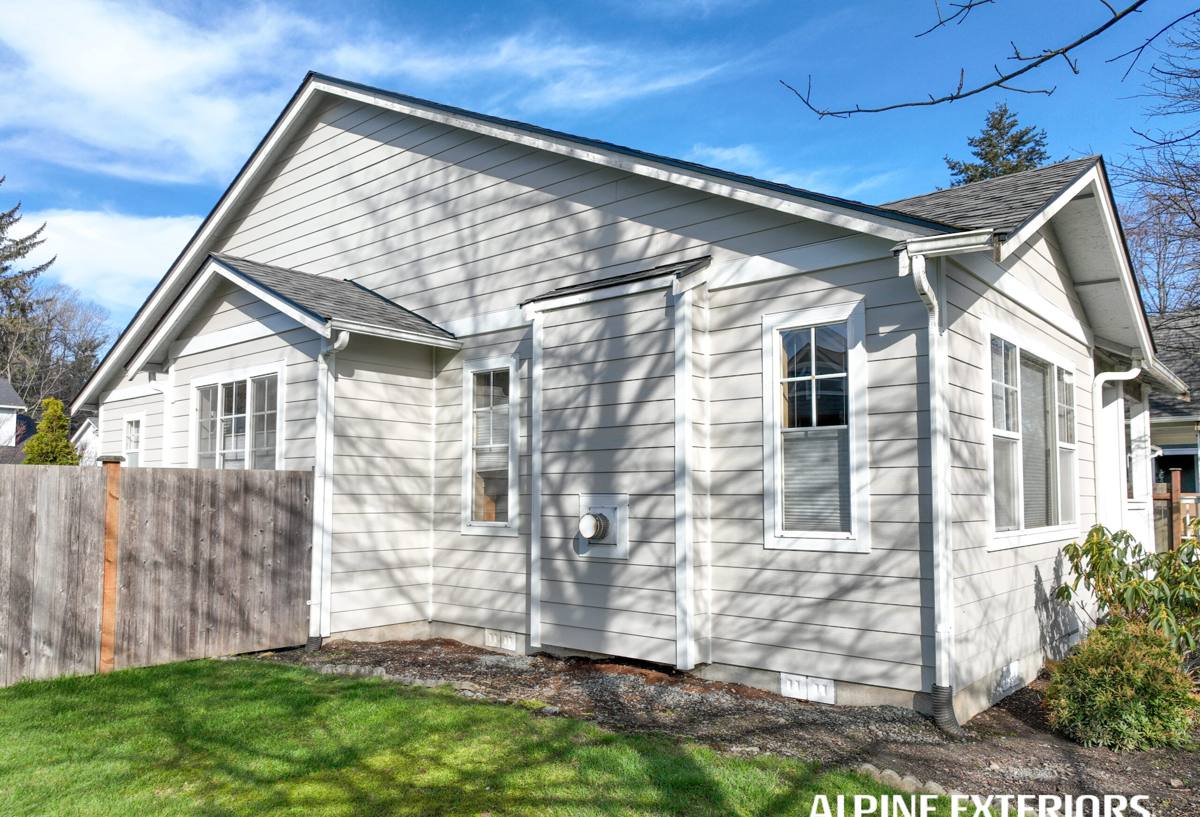
Why Fairhaven Roofs Take a Different Kind of Beating
Three things combine on Fairhaven roofs in ways that don't show up the same way further inland:
Salt Air and Moisture
Proximity to Bellingham Bay means metal flashing, fasteners, and vents are exposed to a slow, steady corrosive element that inland roofs never see. Left unaddressed, this shows up first at the smallest metal components — nail heads, valley flashing, vent boots — long before the shingles themselves show their age.
Driving Rain and Wind
Storms coming off the Strait tend to push rain sideways rather than straight down. That matters for repair work because it means water finds its way under shingle edges, around chimney flashing, and into valleys that would stay dry in a calmer climate. A repair that only addresses the visible gap and ignores wind-driven intrusion points tends to fail again within a season or two.
Tree Cover and a Long Moss Season
Fairhaven's mix of mature trees and hillside lots means shaded, damp roof sections that rarely get a full day of sun — ideal conditions for moss and algae to take hold and stay established for most of the year.
Signs Your Fairhaven Roof Needs Repair
Most roof problems here don't announce themselves with a dramatic leak. They show up as small, easy-to-ignore signs first. Homeowners who catch these early usually pay for a repair instead of a much larger fix later.
- Dark streaking or thick moss growth concentrated on shaded or north-facing slopes
- Granules collecting in gutters or at downspout outlets
- Curling, cracked, or lifted shingle edges, especially on slopes that catch the wind
- Rust staining or visible corrosion around flashing, vents, or chimney metal
- Soft or discolored ceiling patches after a heavy rain event
- Daylight visible through the roof deck from inside the attic
- Sagging or uneven roof lines near valleys or where two roof planes meet
Any one of these on its own may be minor. Two or three together usually mean water has already found a way in and the repair needs to address more than the surface symptom.
What a Correct Roof Repair Actually Involves
Finding the Real Source, Not Just the Wet Spot
Water travels before it shows up as a stain. A leak that appears over a bedroom closet might originate several feet away at a valley or chimney flashing. Rushing to patch the visible spot without tracing the actual entry point is one of the most common reasons repairs fail to hold — the underlying gap stays open and the damage just resurfaces somewhere else.
Matching Materials to the Existing Roof
Fairhaven has a real mix of home ages, from older character homes to newer construction on the hillside. A repair on an older roof often means sourcing shingles or materials that reasonably match the existing color and profile rather than leaving an obvious patch. On any roof, we also match the repair to the original roofing system's specifications so the fix doesn't create a compatibility problem with the surrounding material.
Flashing, Valleys, and the Details That Fail First
The roof field — the flat expanse of shingles — is rarely where a leak actually starts. Flashing around chimneys, skylights, and sidewalls, along with valleys where two roof slopes meet, are the highest-risk areas in a driving-rain climate. A repair that doesn't reset or replace failed flashing as part of the job is treating a symptom, not the cause.
Moss, Algae, and the Long Wet Season
Why Moss Is More Than a Cosmetic Problem
Moss doesn't just look bad. As it grows, it lifts shingle edges, holds moisture against the roofing material for extended periods, and creates channels for water to work its way underneath. On a shaded Fairhaven roof, moss can go from a thin green haze to a thick mat in a single wet season if it isn't addressed.
Treating It the Right Way During a Repair
When moss or algae staining is part of what brought us out, the repair isn't complete until the growth is safely removed and the affected shingles are inspected for granule loss and softening underneath. We don't pressure-wash roofs — high-pressure water strips protective granules and shortens the life of the shingle. Gentle removal methods and, where appropriate, zinc or copper strip installation to slow regrowth are part of doing the job right rather than just making it look clean for a season.
Repair vs. Replacement: How We Help You Decide
Not every roof problem needs a full replacement, and not every roof problem is fixable with a patch. The honest answer depends on the roof's age, how widespread the damage is, and whether the underlying deck and structure are still sound.
| Situation | Repair Usually Makes Sense | Replacement Should Be Considered |
|---|---|---|
| Roof age | Roof is under roughly two-thirds of its expected lifespan | Roof is near or past its expected lifespan |
| Damage extent | Isolated to one section, valley, or flashing point | Widespread granule loss, curling, or multiple failure points |
| Deck condition | Deck is solid with no soft spots | Deck shows rot or repeated soft spots under the shingles |
| Leak history | First occurrence or clearly isolated cause | Recurring leaks in different spots over time |
| Typical cost range | Roughly $400–$1,500 for most single-area repairs | Full replacement cost varies widely by size and material |
These ranges are broad on purpose — actual cost depends on the roofing material, pitch, access, and how much of the underlying structure needs attention. We give a specific number after we've actually looked at the roof, not before.
Our Process for Fairhaven Roof Repairs
- Inspection. We walk the roof and the attic when accessible, checking flashing, valleys, vents, and the areas most exposed to wind and salt air.
- Diagnosis. We trace the leak or damage back to its actual source, not just the point where it became visible indoors.
- Honest recommendation. We explain what we found in plain terms, including whether a repair is the right call or whether we think replacement is a better long-term value.
- The repair itself. Matched materials, properly sealed flashing, and attention to the details most likely to fail again under Bellingham conditions.
- Cleanup and check. We clear debris, check gutters and drainage near the repair area, and confirm the fix before we consider the job done.
Why a Local Crew That Already Works Fairhaven Matters
Fairhaven's hillside lots and mix of older and newer homes mean roof access and pitch vary a lot from one property to the next. A crew that regularly works this specific area already understands the practical realities of steep-slope safety, tight lot access, and how a roof here has typically aged given its sun exposure and tree cover — instead of learning those things on your dime.
Local familiarity also matters for materials. Knowing which shingle lines and flashing details hold up best against sustained salt air and driving rain, based on what we've actually seen fail and hold up on roofs in this climate, is the kind of judgment that only comes from doing the work here repeatedly — not from a national playbook written for a different climate.
Getting an Honest Read on Your Roof
Whatcom County's marine climate is hard on roofs in ways that aren't always obvious from the ground. A small area of lifted shingles or a patch of moss can look minor and still be letting water in. The only way to know what's actually going on is to have someone look at it who knows what Bellingham weather does to a roof over time.
If you're noticing signs of wear, a stain on the ceiling, or just want a second opinion before a small problem turns into a bigger one, we're glad to take a look. Fill out the form below for a free, no-pressure estimate on your Fairhaven roof repair.