 Bellingham Window
 Roofing in Columbia Isn't the Same Job as Roofing Inland
Columbia sits close enough to Bellingham Bay that its homes take on a different set of weather problems than a house twenty minutes east in the foothills. The air carries more moisture and a fine coating of salt off the water. Rain doesn't just fall here, it drives sideways on a windy winter afternoon and finds every gap a roof has to offer. And because so many lots in this part of Bellingham have mature tree cover, roofs spend a good chunk of the year shaded and damp, which is exactly what moss wants. Any roofing material can technically survive in Whatcom County. Not every roofing material survives it well, and that difference shows up in your maintenance bills and your roof's actual working life, not just the manufacturer's paper warranty.
Metal roofing has become a popular answer for homeowners in this neighborhood who are tired of replacing or patching asphalt shingles every decade or two. Done correctly, a metal roof handles moss, moisture, and wind-driven rain better than most other roofing materials on the market. Done poorly, it can trap moisture, corrode at the fasteners, or fail at the seams in exactly the spots this climate stresses hardest. The difference between those two outcomes is almost entirely in the installation, not the metal itself.
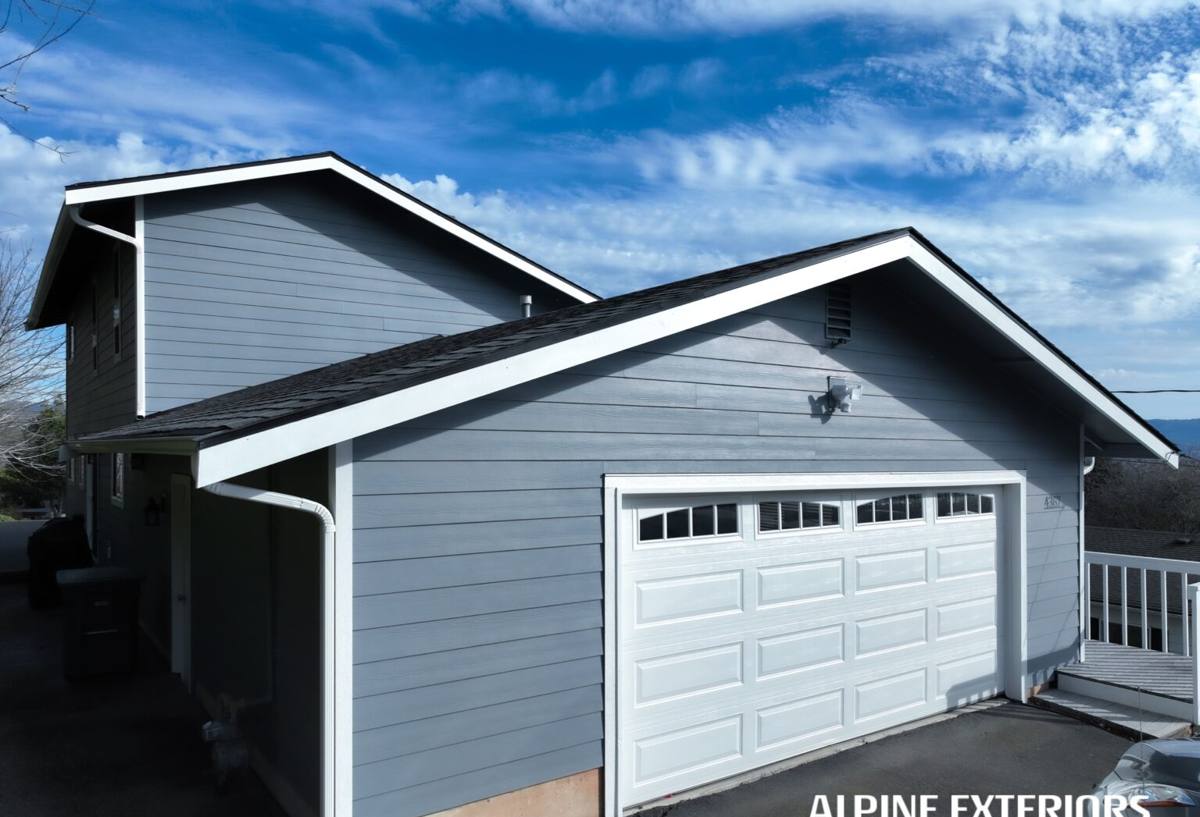
Why Metal Holds Up Better Against This Climate
There are a few specific reasons metal roofing suits a neighborhood like Columbia better than it suits a dry inland subdivision.
Moss and moisture resistance
Moss needs a rough, porous surface to grip and organic material to feed on. Asphalt shingle granules give it both. A properly installed steel panel roof gives moss almost nothing to hold onto, and the smooth, sloped surface sheds water fast enough that standing moisture rarely gets the chance to take root the way it does on shingles or wood shakes. That matters in a neighborhood with the kind of tree canopy and shade cycles Columbia has, where roofs stay damp longer after a storm than roofs out in open, sunnier subdivisions.
Salt air and coatings
Proximity to the bay means airborne salt settles on every exterior surface over time, roofs included. Salt accelerates corrosion on unprotected or poorly coated metal. This is why panel and fastener selection matters so much this close to the water — the wrong coating system or the wrong fastener metal can start showing rust streaks or pitting years before it should. We factor coastal exposure into material selection on every Columbia job, not just the general Whatcom County climate.
Wind-driven rain
Standard shingle roofs rely on gravity and overlap to shed water moving straight down. Wind-driven rain moves sideways and upward under wind pressure, which is where poorly lapped or under-fastened roofing fails. Metal roofing, particularly standing seam systems with mechanically or hydraulically locked seams, resists wind-driven rain far better than lapped shingle systems because water simply has fewer places to get pushed into.
Choosing the Right Metal Roofing System
Not all metal roofing is the same product wearing different colors. The system you choose changes how the roof performs, how it looks, and what it costs. Here's how the common options compare for a Columbia home specifically.
| System | Best For | Coastal/Moss Performance | Trade-Offs |
|---|---|---|---|
| Standing seam steel | Full re-roofs, higher-end homes, long-term owners | Excellent — concealed fasteners, tight seams, minimal moss purchase | Higher upfront cost, requires skilled installation |
| Exposed fastener panel | Outbuildings, shops, budget-conscious re-roofs | Good, but exposed screws are the weak point near the bay | Fasteners need periodic inspection and eventual re-torquing or replacement |
| Stone-coated steel | Homeowners who want a shingle or shake look with metal performance | Very good — coating adds a layer of protection, sheds moss well | More moving parts in the coating system; installation detail matters more |
| Aluminum panel | Homes right along the water or with heavy salt exposure | Excellent corrosion resistance, doesn't rust like steel can | Softer material, more prone to denting, generally costs more than steel |
For most Columbia homes we're comparing standing seam steel against stone-coated steel. Standing seam wins on pure weather performance and longevity. Stone-coated steel wins when a homeowner wants their house to keep the look of a traditional shingle or shake roof while gaining metal's durability. Neither is the wrong answer — it comes down to your budget, your home's style, and how long you plan to own it.
What a Correct Metal Roof Installation Actually Involves
The panels get most of the attention, but the parts of a metal roof that determine whether it lasts thirty years or fails at year eight are mostly things you'll never see once the job is done.
Underlayment
Metal roofs need a high-temperature, self-adhering synthetic underlayment underneath, not the felt paper that goes under shingles. In our climate, we treat underlayment as a full backup waterproofing layer, not a formality, because it's the last line of defense if wind-driven rain ever gets past the panels themselves.
Ventilation
Metal expands and contracts with temperature more than shingles do, and a roof deck that can't breathe traps condensation underneath the panels. Poor ventilation is one of the most common causes of hidden rot on metal roofs, and it's completely avoidable with correctly placed ridge and soffit venting.
Flashing and penetrations
Every chimney, vent pipe, and roof-wall intersection is a place water wants to get in. Flashing has to be custom-fit and properly lapped with the underlayment and panel system, not just caulked over. Caulk is a maintenance item, not a waterproofing strategy, and we don't rely on it to do a flashing detail's job.
Fastening and seams
On standing seam systems, panels are secured with concealed clips that let the metal expand and contract without stressing the fasteners. On exposed fastener systems, screw placement, torque, and washer condition all directly affect how long the roof stays watertight. This is the detail that separates a roof that's still tight in fifteen years from one that's already showing rust streaks at the screw heads.
Quick checklist: what to ask about before your metal roof goes on
- What underlayment is being used, and is it rated for high heat under metal panels?
- Is ridge and soffit ventilation part of the plan, or just the panels themselves?
- What material and coating are the fasteners, given the salt air this close to the bay?
- How are chimney, vent, and skylight penetrations being flashed?
- What's the manufacturer's warranty on the panel finish, and what's the workmanship warranty on the installation?
Our Process, Start to Finish
1. On-site evaluation
We walk the roof, check the deck condition, look at existing ventilation, and note anything specific to your property — tree cover, slope, existing moss or moisture damage, and how exposed the home is to prevailing wind and rain direction.
2. Straightforward estimate
You get a written estimate that spells out the system, materials, and scope of work, not a vague number. We'll walk you through the trade-offs between systems if you're deciding between standing seam and stone-coated steel.
3. Tear-off and deck prep
We remove the old roofing down to the deck, replace any rotted or soft sheathing, and address ventilation before a single panel goes on. Skipping deck prep is the single most common shortcut that leads to early roof failure.
4. Underlayment and flashing
Full synthetic underlayment goes down first, followed by custom flashing at every penetration and roof transition.
5. Panel installation
Panels are installed to manufacturer spec for fastening, seaming, and expansion allowance, with attention to how the roof will handle wind uplift given Whatcom County's storm patterns.
6. Final walkthrough and cleanup
We walk the finished roof with you, clean the site of debris and stray fasteners, and go over care and warranty paperwork before we consider the job done.
Maintenance: What a Metal Roof Actually Needs
Metal roofing is lower-maintenance than shingles, not maintenance-free. A little attention once or twice a year keeps it performing the way it should through Bellingham's wet season.
- Clear overhanging branches and debris that trap moisture against the panels
- Check gutters and downspouts before the fall rains so water isn't backing up onto the roof edge
- Look at exposed fasteners (if you have an exposed-fastener system) every couple of years for early rust or backing out
- Rinse off any accumulated grime or organic buildup, especially on shaded sections of roof
- Have flashing around chimneys, vents, and skylights checked periodically, since these are the most common failure points on any roof type
Cost Factors to Understand Before You Budget
Metal roofing costs more upfront than asphalt shingles, but the comparison isn't apples to apples once you factor in lifespan and how often you're paying for labor over the years. Actual pricing depends on your roof's size, pitch, complexity, and the system you choose, but the factors below are what move the number most.
| Factor | Why It Matters |
|---|---|
| Panel system chosen | Exposed fastener panel is the most affordable metal option; standing seam and stone-coated steel cost more due to labor and material |
| Roof complexity | Multiple valleys, dormers, and penetrations mean more custom flashing labor |
| Tear-off vs. overlay | Full tear-off costs more upfront but avoids trapping moisture or hiding deck damage |
| Ventilation upgrades | Adding proper ridge/soffit venting during the re-roof is far cheaper than retrofitting later |
| Coating and fastener grade | Coastal-grade coatings and fasteners cost more but pay for themselves in avoided corrosion repairs |
As a broad range, exposed-fastener panel systems typically run somewhat above the cost of a quality asphalt shingle roof, while standing seam systems run meaningfully higher due to the labor-intensive seaming process. We'll give you real numbers based on your actual roof once we've taken a look, not a generic per-square-foot guess that doesn't account for your home's specific layout.
Why It Matters That We Already Work in Columbia
A crew that's worked roofs in this neighborhood before already knows how the tree cover sits relative to different lots, how much moss pressure a shaded north-facing slope tends to get compared to a sun-exposed roof a few streets over, and how the wind off the bay tends to hit certain roof orientations harder than others. That local pattern recognition matters when it comes to decisions like fastener grade, flashing detail, and ventilation placement — the things that don't show up on a glossy brochure but decide whether your roof is still tight in year twenty. We'd rather spend the extra time getting those details right during installation than have you calling us back about a leak three winters from now.
Signs Your Current Roof Is Telling You Something
Whether you're on shingles now or an older metal roof, a few warning signs are worth acting on before they turn into an interior repair.
- Moss or dark streaking building up faster than it used to, especially on shaded slopes
- Granule buildup in gutters (a sign of shingle wear) or rust streaking at fastener points on existing metal
- Soft or spongy spots on the roof deck when walked, a sign of trapped moisture underneath
- Daylight visible through the attic at roof penetrations or ridge lines
- Rising energy bills that coincide with a roof that's lost reflectivity or ventilation efficiency
None of these mean you need a new roof immediately, but they're worth having looked at before the next big Whatcom County storm rolls through.
If your Columbia home is due for a roof, or you're just weighing whether metal roofing makes sense for your property, we're happy to take a look and walk you through your options honestly. Use the form below to request a free, no-pressure estimate and we'll go from there.