 Bellingham Window
 Siding Repair Needs in the Puget Area Are Not Generic
Homes in the Puget area of Bellingham sit close enough to the water and the weather patterns that move through Whatcom County that siding takes a different kind of beating than it does even a few miles inland. Salt-laden air, wind-driven rain that gets pushed sideways into wall assemblies, and a moss season that can run most of the year all work on siding in ways that generic "patch it and move on" repair work doesn't address. A repair that looks fine for a season but ignores what's happening behind the surface just buys you another call in a year or two.
We approach every siding repair call in Puget the same way we'd want someone to approach ours: figure out what's actually causing the damage before touching anything, then fix that cause along with the visible symptom.
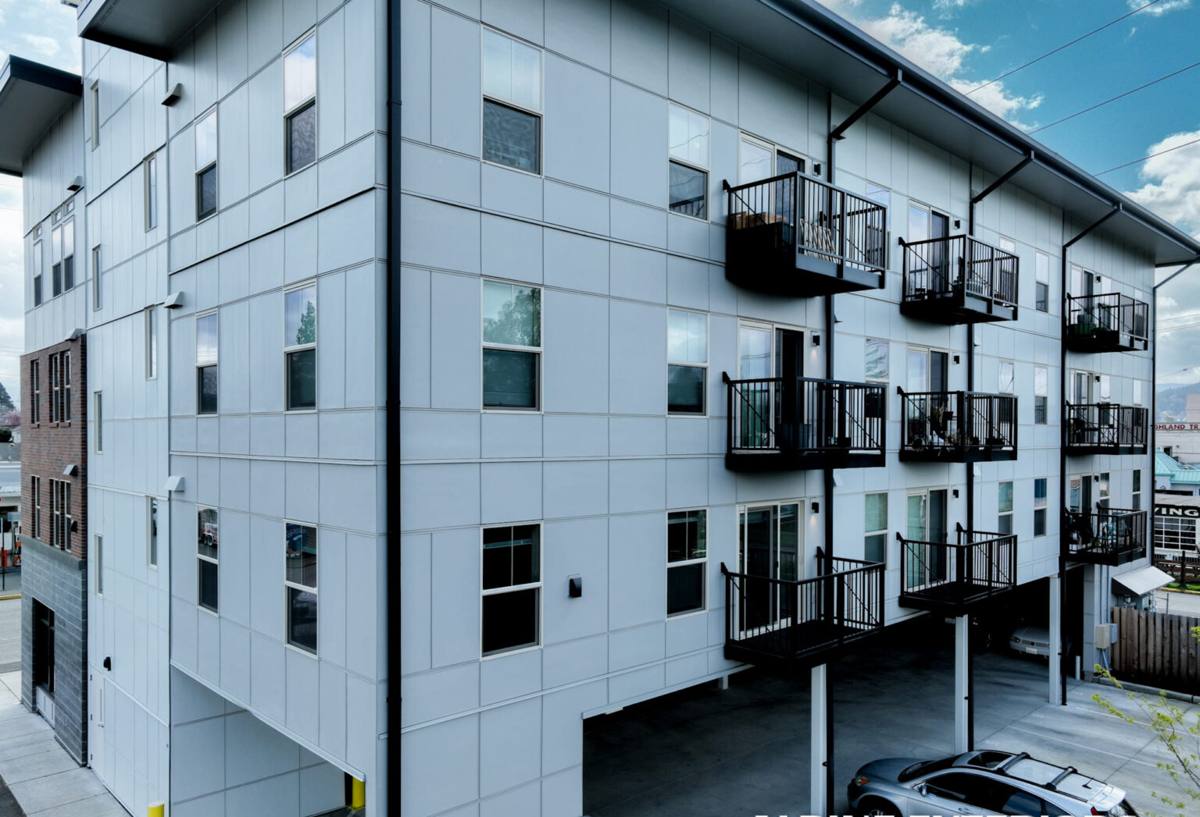
What Salt Air, Driving Rain, and Moss Actually Do to Siding
Salt Air
Even homes that aren't right on the waterfront in this part of Whatcom County get periodic salt exposure carried in on wind off the Sound. Salt accelerates corrosion on fasteners, flashing, and any exposed metal trim. On siding materials that aren't dimensionally stable, that corrosion can loosen boards, crack caulk lines, and create small gaps where water starts working its way in.
Driving Rain
Bellingham doesn't just get rain — it gets rain pushed horizontally by wind off the water, which means siding here has to handle water hitting it at an angle, not just running straight down. That's a harder test than a dry-climate siding job ever faces. Lap joints, butt seams, and anywhere siding meets trim, windows, or a roofline are the places driving rain finds weaknesses first.
Moss Season
Shaded, north-facing, and tree-covered walls in and around Puget can hold moisture and grow moss for the better part of the year. Moss isn't just cosmetic — it holds water against the siding surface far longer than open air would, and on materials with wood content, that sustained moisture is what starts rot from the outside in.
Signs Your Siding Needs Repair — Not a Full Replacement
Not every problem means a full re-side. These are the calls we get most often in this area where targeted repair is the right answer:
- Isolated soft spots or visible swelling in one or two boards, with the rest of the wall solid
- Cracked or missing caulk at seams, trim, or penetrations, without deeper water staining behind it
- Localized moss or algae growth causing surface staining but not yet structural softening
- A single storm-damaged section — cracked, dented, or blown-off boards from wind or debris
- Failed or missing flashing at a window, door, or roofline causing a contained leak point
- Fastener corrosion causing boards to loosen or pull away in a specific area
If damage shows up in multiple unrelated areas of the house, or if soft spots trace back to a systemic moisture problem behind the cladding, that's usually a sign the whole wall system needs a closer look — not just a patch.
What a Correct Siding Repair Actually Involves
A repair that's done right in this climate goes beyond swapping a damaged board. Here's what we check and address on every repair visit:
Find the Water Path, Not Just the Damage
Damaged siding is usually a symptom. Before we replace anything, we trace where water is actually getting in — a failed seam, bad flashing, a caulk joint that opened up, or a grading issue pushing splash-back onto the wall. Replacing the board without fixing the entry point means the same repair call again in a year or two.
Check What's Behind the Siding
Once a section is opened up, we look at the house wrap, sheathing, and framing underneath. In a climate that pushes this much water sideways at a wall, it's common to find that the visible damage is smaller than what's happening behind it. We won't close up a wall over compromised sheathing just to make the outside look finished.
Match Material and Finish
Patch repairs only look right — and perform right — when the replacement piece matches the existing siding's profile, exposure, and finish. On James Hardie ColorPlus siding, that means matching factory-finished boards rather than field-painting a patch, which keeps the repair from weathering differently than the surrounding wall over time.
Address the Cause, Not Just the Symptom
If moss is the underlying issue, that often means adjusting how water sheds off a section of roof or wall, not just cleaning the growth off. If salt-corroded fasteners caused the failure, we replace with corrosion-resistant fasteners rated for coastal exposure, not the same hardware that failed the first time.
Repair vs. Replacement: How We Help You Decide
| Factor | Repair Usually Makes Sense | Replacement Is the Better Call |
|---|---|---|
| Extent of damage | Isolated to one or two sections | Spread across multiple walls or elevations |
| What's behind the siding | Sheathing and framing are sound | Rot or moisture damage found behind repair sites |
| Age of existing siding | Siding is mid-life and otherwise performing well | Siding is near or past its expected service life |
| Material | Original material is still sound and repairable | Original material (e.g., untreated wood, older composite) is failing systemically |
| Repeat problems | First occurrence at this location | Same area has needed repair more than once |
We'll always tell you honestly which side of this table your house falls on — a repair that's the right call financially and structurally, or one that's just delaying an inevitable replacement.
Why We Repair Onto James Hardie Fiber Cement — Not Vinyl, LP, or Other Composites
We install and repair James Hardie fiber cement siding exclusively. We don't work in vinyl, LP SmartSide, Cemplank, Allura, or primed wood siding, and that standard matters as much on repair calls as it does on full installs.
Fiber cement doesn't absorb water the way wood-based composite siding can, which matters directly in a climate with this much sustained moisture and moss exposure. It's non-combustible, holds its factory-applied ColorPlus finish far longer than field-painted materials, and is engineered in climate-specific HZ product lines built for exactly the kind of wet, coastal exposure Puget deals with. When we open up a wall for a repair and find older wood or composite siding underneath, we'll tell you honestly what we're seeing and what your realistic options are — including whether a Hardie replacement of that section, or eventually the whole elevation, is worth planning for.
Vinyl siding has its place in some markets, but it expands and contracts significantly with temperature swings, which stresses seams and fastening over time, and it doesn't hold up to impact the way fiber cement does. LP SmartSide and similar wood-strand products depend heavily on unbroken paint and caulk protection at every cut edge — a single missed touch-up point in a climate this wet is where rot starts. These aren't defects so much as trade-offs we've decided we don't want to build repair work around, which is why our standard is Hardie, full stop.
Our Process for Puget Siding Repair Calls
- Inspection: We walk the full exterior, not just the reported problem area, since damage in this climate often shows up in more than one spot at once.
- Diagnosis: We identify the actual water path or failure cause, not just the visible symptom.
- Written scope: You get a clear explanation of what's being repaired, why, and what it involves — before any work starts.
- Repair: Matched materials, correct flashing and sealant details, and fasteners suited to coastal exposure.
- Walkthrough: We show you what was found and what was done, including anything worth watching going forward.
What to Ask Before Hiring a Siding Repair Crew in This Area
- Will you check what's behind the damaged siding before repairing it, or just patch the surface?
- Do you match factory-finished siding, or will the patch need field painting?
- What fasteners and flashing details do you use for coastal exposure?
- Have you worked on homes in this specific area before, and do you understand its typical damage patterns?
- Will I get a written explanation of the cause, not just the fix?
Why a Crew That Already Works This Area Matters
A contractor who works regularly around Bellingham and greater Whatcom County has already seen how salt exposure, driving rain, and long moss seasons show up on real houses in this area — which walls take the worst of it, which flashing details fail first, and which repairs hold up versus which ones come back. That local pattern recognition is what separates a repair that solves the problem from one that just covers it up until next year.
If you're seeing soft spots, storm damage, moss staining, or a section of siding that just doesn't look right, we're happy to take a look and give you a straight answer on what it needs. Reach out for a free, no-pressure estimate using the form below.