 Bellingham Window
 Roof Repair Built for Birchwood's Weather, Not Just the Nearest Leak
Birchwood homes sit close enough to the water and the tree cover of north Bellingham that roofs here take a specific kind of beating: salt-tinged air off Bellingham Bay, driving rain that comes in sideways during a fall storm, and a moss season that can run eight or nine months out of the year. A roof repair here isn't just patching a hole — it's addressing why that spot failed in the first place, so you're not calling us back about the same corner of the roof next winter.
We work on roofs across Bellingham and Whatcom County, and Birchwood's mix of older single-family homes and mid-century construction means we see the same handful of failure patterns over and over. Knowing what those patterns are, and how they show up locally, is most of the job before a single shingle gets pulled.
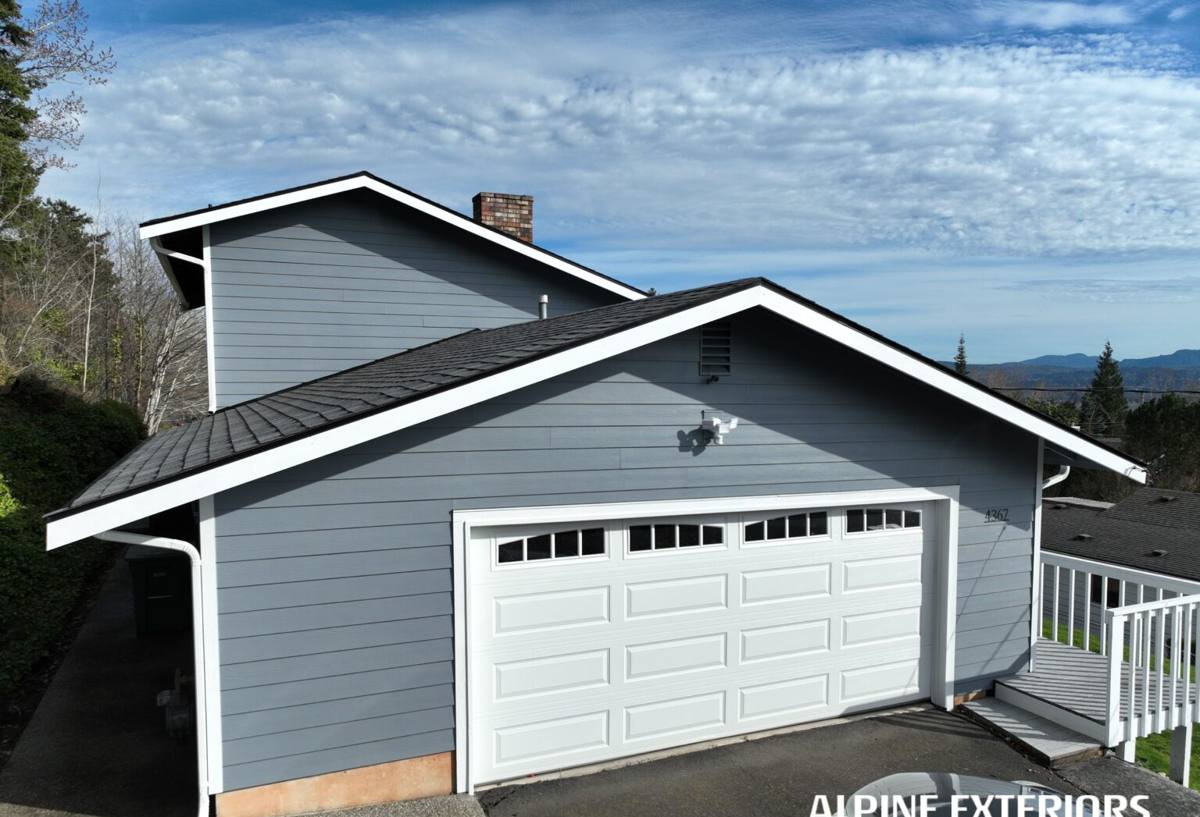
What Bellingham's Climate Does to a Roof
Three things drive most of the roof repair calls we get in this part of the county, and Birchwood gets all three at once.
Salt Air and Metal Fatigue
Proximity to the bay means a fine layer of salt-laden moisture settles on exposed metal — flashing, fasteners, gutter hardware, and vent caps. Over years, that accelerates corrosion in a way inland Whatcom County roofs don't experience nearly as fast. A flashing seam that would last two decades further inland can start failing sooner here, and once flashing corrodes, water finds its way under the roofing material long before you'd notice a stain on the ceiling.
Driving Rain
Bellingham doesn't just get a lot of rain — it gets a lot of wind-driven rain, especially during fall and winter storms. Rain that's moving sideways doesn't behave like rain falling straight down. It gets pushed up under shingle edges, into nail holes, and along ridge and hip lines that would stay dry in a calmer climate. Repairs that only address the visible gap and ignore the direction water was actually traveling tend to fail again at the first real storm.
Moss and Organic Growth
Birchwood's tree cover is part of what makes the neighborhood pleasant to live in, and it's also what keeps roofs shaded and damp for long stretches of the year. Moss doesn't just sit on top of shingles looking bad — its root structure lifts shingle edges and holds moisture directly against the roofing material, which is exactly the condition that leads to premature granule loss, soft spots, and eventual leaks. A moss-covered roof is very often a roof that's already losing its watertight seal in multiple places, even if there's no active leak yet.
Signs a Birchwood Roof Needs Repair, Not Just a Look
- Water stains on interior ceilings or upper walls, especially near where a wall meets the roofline
- Granules collecting in gutters or at the base of downspouts
- Visible moss or dark streaking concentrated on the shaded or north-facing slopes
- Curling, cracked, or missing shingles, particularly near ridges, valleys, or chimney flashing
- Soft or spongy spots when walking the roof (we check this — don't do it yourself)
- Daylight visible through the roof deck from inside an attic space
- Rusted or lifted metal flashing around vents, skylights, or chimneys
- A musty smell in the attic that wasn't there before
Any one of these on its own doesn't always mean a full roof replacement is coming — but it does mean water is finding a way in somewhere, and the longer that's left unaddressed, the more it costs to fix once it reaches the decking or framing underneath.
What a Correct Roof Repair Actually Involves
A lot of roof repairs fail early because they treat the leak as a single point rather than a system. Water rarely enters exactly where it shows up on the ceiling — it travels along the underlayment or decking before dripping down at the lowest available point, which can be feet away from the actual failure. Our process is built around finding the real source first.
1. Diagnose Before Touching Anything
We inspect the roof surface, the flashing details, the ventilation, and — where accessible — the attic side, to trace water back to its actual entry point rather than guessing based on where the stain appears indoors.
2. Address the Underlying Cause
If moss has lifted shingle edges, removal and treatment happen before any patch goes in — patching over active moss growth just buys a season or two. If flashing has corroded from salt exposure, it gets replaced, not caulked over. Caulk is a stopgap, not a repair, and we won't sell it to you as one.
3. Match the Repair to the Existing Roofing
Repairs use materials compatible with what's already on the roof — matching shingle type, exposure, and fastening pattern where possible, so the repaired section performs the same as the rest of the roof rather than becoming its own weak point.
4. Check Ventilation While We're Up There
Poor attic ventilation traps moisture that contributes to moss growth and can shorten the life of the roofing material from underneath. If we see a ventilation issue contributing to the repair need, we'll tell you — it's often a cheaper fix than repeated roof repairs down the line.
Roof Repair vs. Roof Replacement: How We Help You Decide
Not every leak means the whole roof is done. But repairing a roof that's genuinely past its useful life just delays a bigger expense while risking damage to decking, insulation, and interior finishes. Here's how we think about the decision.
| Factor | Favors Repair | Favors Replacement |
|---|---|---|
| Age of roof | Under 15–18 years (asphalt) | Approaching or past expected lifespan |
| Extent of damage | Isolated to one section or detail | Widespread across multiple slopes |
| Granule loss | Localized | Heavy, roof-wide |
| Decking condition | Solid, no soft spots | Soft, rotted, or delaminating in multiple areas |
| Moss history | First occurrence, treated promptly | Repeated, long-term, root damage evident |
| Prior repairs | Few or none | Multiple past patches in different spots |
We'll always give you the honest read on which side of that table your roof falls on. If a repair is the right call, that's what we'll recommend and price — we don't push replacements on roofs that don't need them.
Why Local Experience Matters for This Job
A roofer unfamiliar with Whatcom County conditions can miss things that are obvious once you know what to look for here: which slopes hold moss longest based on tree cover and sun exposure, how far wind-driven rain from a bay-facing storm typically travels up under an eave, and which flashing metals hold up versus which corrode faster near the water. That's not exotic knowledge — it's just the product of doing this work repeatedly in this specific climate.
It also matters for how quickly a problem gets addressed. Roof leaks in Bellingham tend to show up or worsen right as a fall or winter storm system moves through, which is exactly when scheduling gets tight across the region. Working with a crew that already knows Birchwood roofs and can respond without a long lead time makes a real difference in how much damage a small leak turns into before it's fixed.
What to Expect When You Call Us
- A straightforward phone conversation about what you're seeing — stains, missing shingles, moss, or a specific concern
- An on-site inspection to identify the actual source of the problem, not just the visible symptom
- A clear explanation of what's causing it and what fixing it correctly involves
- A written estimate before any work begins, with repair and (if relevant) replacement options laid out honestly
- Work scheduled around weather windows, since roof repairs need a reasonably dry stretch to be done right
Simple Maintenance That Extends the Life of a Repair
Once a repair is done, a little seasonal upkeep keeps it from becoming a repeat call:
- Clear gutters and downspouts each fall before the heavy rains start, so water isn't backing up under the roof edge
- Keep overhanging branches trimmed back where practical — less shade means less moss over time
- Have moss treated at the first sign of it rather than waiting for it to spread across a slope
- Walk the yard after major windstorms and look up for anything obviously out of place — lifted shingles, dislodged flashing, debris caught on the roof
- Get a roof looked at every couple of years even without an obvious problem, since small issues are far cheaper to fix than the water damage they eventually cause
If you're seeing signs of a leak, dealing with moss buildup, or just want a professional opinion on a Birchwood roof's condition, we're happy to take a look. Reach out for a free, no-pressure estimate using the form below.