 Bellingham Window
 Storm Damage Roof Repair for Fairhaven Homes
When a wind event or a heavy rain system moves through Bellingham, Fairhaven tends to feel it more directly than neighborhoods set back from the water. The roofs here take on wind coming almost straight off Bellingham Bay, rain that's driven sideways rather than falling straight down, and a moss season that runs long enough to soften a roof's defenses well before a storm ever arrives. Storm damage repair in this neighborhood isn't just about patching whatever's obviously missing after a bad night of weather. It's about understanding how a Fairhaven roof was already holding up before the storm hit, and what that storm exposed rather than caused.
This page covers what storm damage actually looks like on a Fairhaven roof, what a repair done right involves, and how we approach the job from the first phone call to the final cleanup.
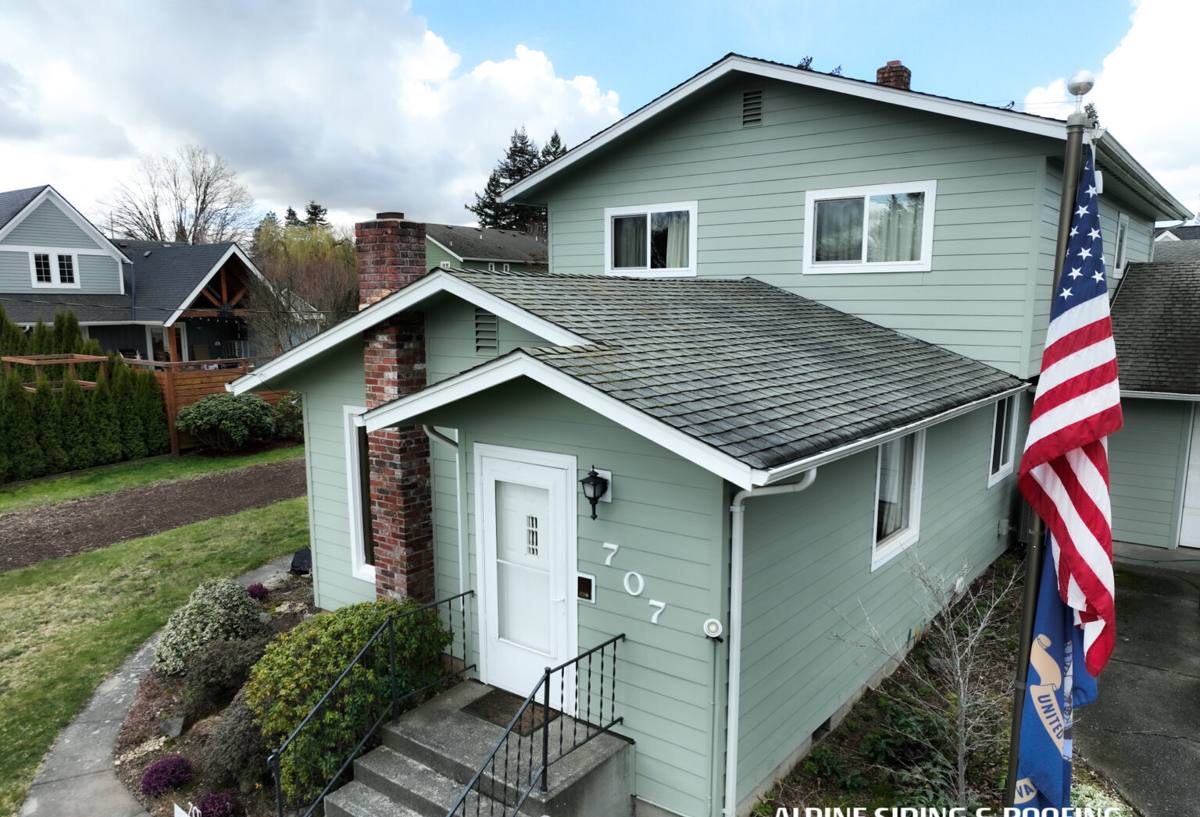
What Actually Counts as Storm Damage
Not every problem that shows up after a storm was created by that storm. Sorting out which is which matters for getting the repair scope right and, often, for how an insurance claim gets handled.
Wind and Uplift Damage
Sustained or gusting wind can lift shingle tabs, crack ridge caps, or tear sections of roofing loose entirely, especially on planes that face open water directly. Once a shingle's seal is broken, it doesn't always blow off right away. It can sit there half-lifted, letting wind-driven rain work underneath it during every storm that follows, which is why a post-storm inspection needs to check for loose and lifted material, not just missing pieces.
Water Intrusion From Driving Rain
Fairhaven's exposure to wind off the bay means rain regularly gets pushed sideways and even upward under roof edges, at valleys, and around any penetration in the roof deck. A roof that would shed a straight-down rain without issue can still take on water here specifically because of that wind direction, and the entry point is often nowhere near where a stain eventually shows up on a ceiling inside.
Falling Limbs and Debris
A fair number of Fairhaven properties sit on hillside lots with mature tree cover, and wind events regularly bring down limbs, needles, and larger branches onto roof surfaces. Impact damage can range from an obvious puncture to a hairline crack in a shingle that doesn't leak for months, so a careful look at the whole roof plane matters more than just checking the spot under the tree.
Damage the Storm Only Revealed
The most common thing we run into on storm calls in Fairhaven isn't damage the storm created from scratch, it's damage the storm exposed. A roof section that's been holding moss and retaining moisture for a couple of seasons is already weaker than it looks, and it's often that section, not a random spot, that fails first when wind and rain push on it hard. An honest repair estimate separates what the storm did from what years of moss and moisture had already done, since insurance coverage and your long-term maintenance plan depend on knowing the difference.
Why Fairhaven Takes This Harder Than Other Bellingham Neighborhoods
Direct Exposure Off the Bay
Fairhaven's position close to Bellingham Bay puts its roofs in the path of wind that hasn't been slowed down by other buildings or terrain the way it might be further inland. That translates into higher wind loads on roof edges, ridges, and any spot where flashing or trim gives wind a place to grab.
Hillside Lots and Mature Tree Canopy
The sloped terrain leading up from the waterfront and the tree-covered lots common in the neighborhood's older residential blocks mean roofs here deal with both falling debris during storms and extended shade the rest of the year. That shade is exactly what keeps moss and moisture established on a roof between storms.
An Older Housing Stock Already Under Load
Fairhaven's mix of early-century homes and newer infill means a lot of roofs are carrying years of accumulated wear that a newer subdivision roof simply hasn't had time to build up yet. Older roof decks, older flashing details, and years of moss growth all lower the threshold at which a storm turns a minor weak point into an active leak.
What a Correct Storm Repair Actually Involves
Stopping Water First
When there's active water intrusion, the first job is stopping it, not scheduling a full repair for next week. That usually means a temporary tarp or emergency patch sized and secured properly, not just draped over the damaged area. A rushed or undersized tarp job can do almost as much damage as the storm itself if it lets wind get underneath it.
A Full Assessment, Not Just the Obvious Spot
Once things are stabilized, the roof needs a full walk, not a look at the one visibly damaged section. Wind and driving rain rarely limit themselves to a single spot, and a repair that only addresses the shingle that's missing while ignoring the lifted section two courses over is a repair that generates a second service call.
Matching Materials and Blending the Repair
Shingle color and profile shift over time with sun exposure, so a patch using brand-new material next to a roof that's a few years old can be functionally sound but visually obvious. We match as closely as the existing roof allows and are upfront when an exact match isn't realistic, rather than letting a homeowner discover the mismatch after the fact.
Flashing and Underlayment, Not Just Shingles
A lot of storm leaks trace back to flashing at valleys, chimneys, or wall intersections rather than the shingle field itself. Repairing the visible shingle damage without checking the flashing and underlayment underneath it is a common shortcut, and it's the reason some storm repairs fail again during the very next wind event.
Storm Damage and Insurance: Getting It Right
Most storm damage claims come down to documentation. We photograph and describe damage clearly, note what's storm-related versus what's pre-existing wear, and provide a straightforward written scope that an adjuster can review without guesswork. We don't inflate a scope to chase a bigger check, and we don't downplay real storm damage to make a fast repair look simpler than it is. Our job is to give you and your insurer an honest picture so the claim gets resolved on its actual merits.
It's worth knowing upfront that most policies distinguish between sudden storm damage and gradual deterioration from moss, age, or lack of maintenance, and that distinction is exactly why a careful, honest assessment matters more than a quick patch job.
Repair Scope and Cost Factors
Not every storm call needs the same level of work. The table below outlines the general categories we see on Fairhaven roofs and what typically drives a job into one category versus another.
| Repair Type | What Triggers It | What It Involves | Relative Cost Impact |
|---|---|---|---|
| Emergency tarp / mitigation | Active leak or exposed deck after a storm | Securing the area to stop water entry until a permanent repair is scheduled | Low, often credited toward the full repair |
| Localized shingle and flashing repair | Isolated wind or impact damage in one or two roof sections | Removing and replacing damaged shingles, checking and resealing nearby flashing | Low to moderate |
| Section re-roof | Damage across a larger plane, or moss-related decay uncovered under the visible damage | Stripping and rebuilding one full roof slope, including underlayment | Moderate to higher |
| Full roof replacement | Widespread age-related wear that a storm pushed past the point of spot repair | Complete tear-off and re-roof of the entire structure | Highest, but often the most cost-effective long-term option |
We'll tell you plainly which category your roof falls into and why, rather than defaulting to the most expensive option out of caution.
Our Process From Call to Cleanup
- Initial call: We ask what happened and what you're seeing, so we know whether emergency mitigation is needed before we even arrive.
- On-site inspection: A full walk of the roof, not just the reported damage area, including a look at flashing, valleys, and any penetrations nearby.
- Written scope: A clear explanation of what's damaged, what caused it, and what the repair involves, in plain language.
- Repair work: Matching materials where possible, correcting flashing and underlayment issues found during inspection, not just the surface damage.
- Cleanup and final check: Debris removed, gutters checked for granules or debris from the repair, and a final walk-through with you before we call the job done.
Signs Your Fairhaven Roof Took Storm Damage
- Shingles that are missing, cracked, curled, or visibly lifted after a wind event
- Granules collecting in gutters or at downspout outlets following a storm
- New water stains on interior ceilings or upper walls, even faint ones
- Dented or damaged flashing around chimneys, vents, or valleys
- Visible daylight through the attic where there shouldn't be any
- Branch or debris impact marks on the roof surface
- Moss or dark staining that seems to have expanded suddenly after a wet stretch
- Sagging or soft-feeling spots on any accessible roof section
Why a Crew That Already Works Fairhaven Matters
A crew that regularly works this part of Whatcom County knows which roof planes in Fairhaven take the worst of the wind off the bay, which lots hold onto moss the longest because of tree cover and hillside shade, and how the neighborhood's older roofs tend to fail when a storm pushes on an already-weak spot. That local familiarity shows up in practical ways on a storm call: knowing to check a specific valley detail common on older Fairhaven roofs, or recognizing moss-driven decay for what it is instead of treating every problem as fresh storm damage. It also means a faster, more accurate response when weather hits, instead of a crew working from a generic checklist built for a different climate entirely.
If a recent storm left your Fairhaven roof with missing shingles, a new leak, or damage you're not quite sure how to categorize, we're glad to take a look and give you a straight answer. Reach out using the form below to schedule a free, no-pressure estimate.