 Bellingham Window
 Storm Damage Roof Repair Built for Sudden Valley's Conditions
Sudden Valley sits in a pocket of Whatcom County where the roof over your head works harder than most. The community's heavy tree canopy along Lake Whatcom, combined with the wind and driving rain that roll through the Bellingham area each fall and winter, creates a specific pattern of roof damage that's different from what you'd see on an open lot closer to town. We repair storm-damaged roofs in Sudden Valley regularly enough to recognize that pattern on sight — and to know which fixes actually hold up here versus which ones just look fine until the next storm.
This page covers what storm damage really looks like on a Sudden Valley roof, what a correct repair involves, and how we handle the job from first call to final inspection.
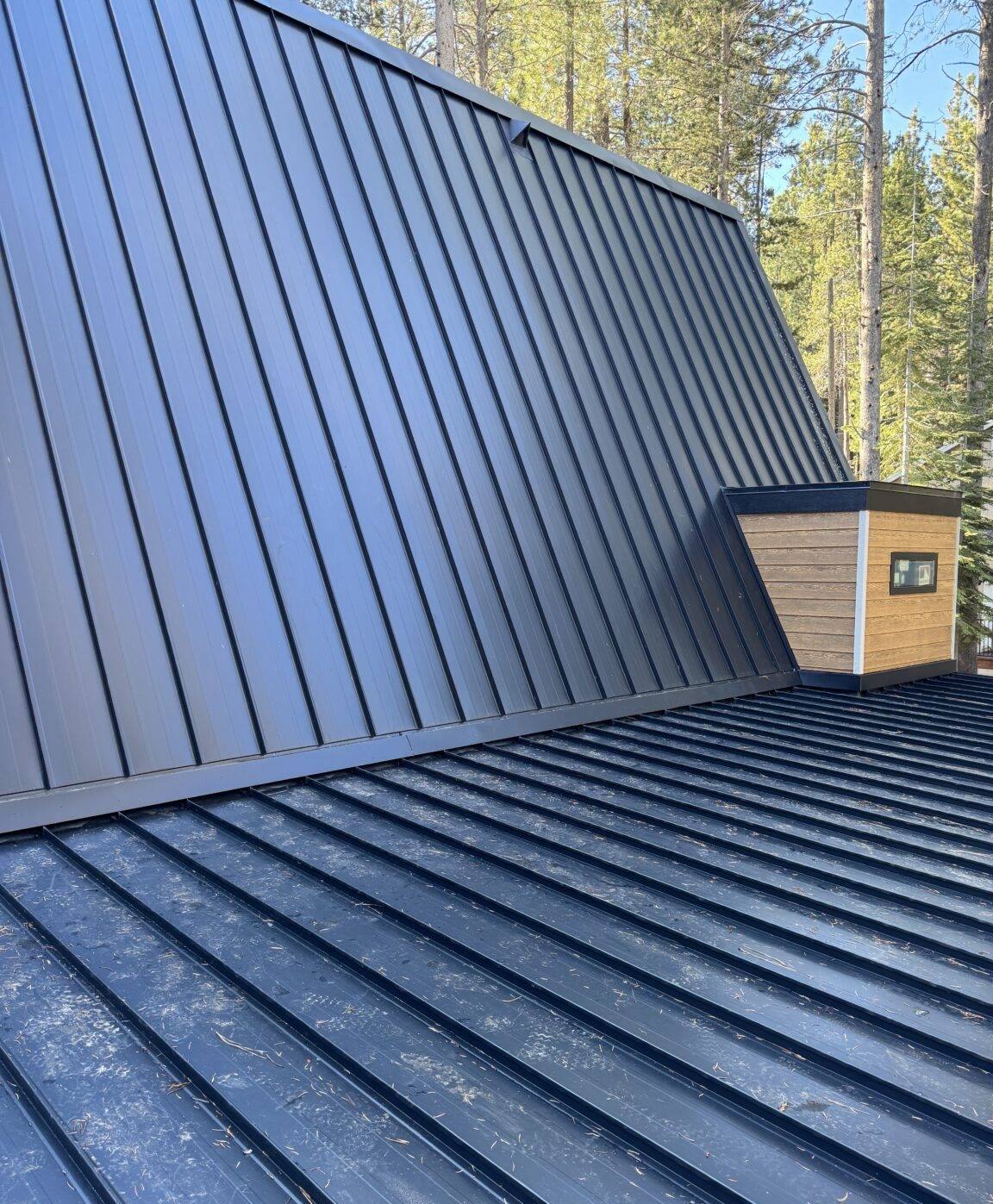
Why Sudden Valley Roofs Take a Different Kind of Beating
The Tree Canopy Factor
Much of Sudden Valley was built into the forest rather than cleared for it, and that's part of what makes the neighborhood attractive — but overhanging conifers mean roofs here take direct hits from falling limbs and cones during wind events, not just sheet-force wind loading. A branch strike can crack a shingle, punch through underlayment, or knock a section of ridge cap loose without leaving damage that's obvious from the ground. Tree cover also keeps large sections of many roofs shaded most of the day, which slows drying after every rain.
Moss: Not Just Cosmetic
Slower drying time is the main reason moss season runs long here. Moss holds moisture against the roofing surface, works into shingle tabs and granule layers, and — on wood or older composition roofs — can lift edges enough for wind-driven rain to get underneath. After a storm, a roof that already had moss buildup is far more likely to show active leaking than a clean one, because the moss has already compromised the surface the storm is now testing.
Regional Wind and Rain
Whatcom County's marine-influenced weather brings damp, salt-tinged air off the Sound and long stretches of driving rain during fall and winter storm systems. That moisture load, combined with wind gusts strong enough to lift shingle edges or shift flashing, is what turns a small pre-existing weak spot into an active leak. Storm damage in this region is rarely a single dramatic event — it's usually wind and water finding a weakness that was already there.
What Actually Counts as Storm Damage
Homeowners often assume storm damage means missing shingles you can spot from the driveway. In practice, most of what we repair after a storm is less obvious:
- Shingles cracked or bruised by falling branches or cones, still nailed in place
- Lifted or creased shingle tabs from wind, which break the seal without fully detaching
- Flashing around chimneys, skylights, and roof-to-wall junctions worked loose by wind and rain
- Gutters pulled away from fascia by debris load, redirecting water back under the roof edge
- Ridge cap or hip cap shingles cracked or blown open
- Granule loss concentrated in one wind-exposed area, thinning the shingle's UV and weather protection
- Soft or discolored decking visible from the attic, indicating a leak that predates the storm
The dangerous ones are the second and third items on that list — damage that doesn't leak immediately but sets up a leak the next time it rains hard, which in Whatcom County is not a rare event.
What a Correct Storm Damage Repair Involves
Start With an Honest Inspection
We walk the roof, not just the yard. Ground-level and gutter-level looks miss cracked shingles, lifted tabs, and flashing separation almost every time. We also check the attic when accessible, since water stains, damp insulation, or daylight at a joint tell us more about the real extent of damage than the exterior does.
Repair vs. Replace — Made Honestly
Not every storm-damaged roof needs to be replaced, and we're not going to tell you it does. The decision comes down to how much of the roof is affected, how old the existing roofing is, and whether the damage is isolated or symptomatic of broader wear. A ten-year-old roof with one damaged slope is usually a straightforward repair. A twenty-year-old roof with storm damage layered on top of existing moss damage and granule loss is often past the point where a patch makes financial sense.
| Situation | Typical Approach | Why |
|---|---|---|
| Isolated branch strike, roof under 12 years old | Spot repair — replace affected shingles and underlayment section | Surrounding material still has useful life; no need to disturb it |
| Wind-lifted tabs across one slope | Reseal or replace affected slope | Wind damage often follows exposure patterns tied to that slope's orientation |
| Storm damage plus pre-existing moss deterioration | Full slope or full roof replacement | Moss has already compromised the material; repair won't hold |
| Flashing failure at chimney or skylight | Flashing repair or replacement, shingles left intact | Flashing is usually the actual failure point, not the field shingles |
| Widespread granule loss, roof 18+ years old | Replacement recommended | Material is at end of service life; repair is a short-term delay |
Our Process, Start to Finish
- Call or request an estimate. Tell us what you noticed — a leak, missing shingles, debris on the roof, or just a storm that made you want a roof checked.
- On-site inspection. We physically get on the roof (weather permitting) and check the attic if accessible, documenting what we find.
- Straight assessment. We explain what's damaged, what's pre-existing wear, and whether repair or replacement makes sense — with our reasoning, not just a recommendation.
- Written estimate. Scope and price in writing before any work starts.
- Repair work. Matching materials where possible, proper underlayment and flashing detail at every repair point — not just shingles laid over a bad seal.
- Final check. We confirm the repair is watertight and walk you through what we did.
Why It Matters to Hire a Crew That Already Works Sudden Valley
A roofing crew that mostly works flat, open subdivisions closer to Bellingham's core doesn't necessarily think about tree-strike damage, prolonged shade, or the access challenges of Sudden Valley's wooded lots and private roads. A crew familiar with the neighborhood knows to check for cone and needle buildup in valleys, expects moss on north-facing slopes even on newer roofs, and plans repair timing around the wetter stretches of the year rather than fighting them. That familiarity shows up in fewer callbacks, not just faster estimates.
It also matters for material choice. Roofing that performs well on an open, sun-exposed roof in a drier part of the state can underperform on a shaded, moisture-heavy Sudden Valley roof — algae-resistant shingle lines and proper ventilation matter more here than the brochure price difference suggests.
Storm Damage and Insurance Claims
If a storm caused clear, sudden damage — a branch through the roof, shingles torn off in a documented wind event — most homeowners insurance policies cover repair, sometimes with a deductible. Gradual damage from moss and age typically isn't covered, which is exactly why an honest inspection matters: we'll tell you plainly which category your damage falls into rather than stretching the story to fit a claim. We can provide a written scope and photos to support a claim, but the adjuster's determination is between you and your insurer.
Signs Your Sudden Valley Roof Needs a Post-Storm Inspection
- Granules collecting in gutters or at downspout outlets after a windy week
- A new water stain on a ceiling or in the attic following heavy rain
- Visible daylight through the roof deck from inside the attic
- Shingles or pieces of shingle found in the yard after wind
- A branch or limb strike you noticed but haven't had checked
- Moss thick enough to see from the ground on a roof under ten years old
- Gutters pulled loose or sagging after debris buildup
Any one of these is worth a look. None of them require an emergency call unless there's active leaking indoors — but all of them get worse if left through another storm cycle.
Timing: Why We Don't Wait for the Dry Season
It's tempting to put off a roof repair until summer, when the work is easier and the weather is predictable. In Sudden Valley, that often means letting a small leak point sit through several more storms first. Most repairs we handle can be done safely in wet-season conditions with proper tarping and sequencing — waiting isn't usually necessary, and for active leaks it isn't advisable.
If you've had storm damage, a suspicious leak, or just want a roof checked after a rough week of weather, we'll come out, get on the roof, and give you a straight answer — repair, replace, or leave it alone. The estimate is free, there's no pressure attached to it, and you can use the form below to get started.