 Bellingham Window
 Building New in Sunnyland? Windows Are Not a Detail You Fix Later
If you're framing a new home or an addition in Sunnyland, the windows are one of the few components that get exactly one chance to be installed correctly. Once siding, trim, and interior finish go on, a flashing mistake behind a window is hidden — sometimes for years, until a stain shows up on drywall or a sill starts to soften. Sunnyland's mix of established lots and newer infill construction means we see both scenarios regularly: careful builds that will hold up for decades, and shortcuts that are going to cost someone a repair bill down the road. Our job on a new-construction project is to make sure your windows fall into the first category.
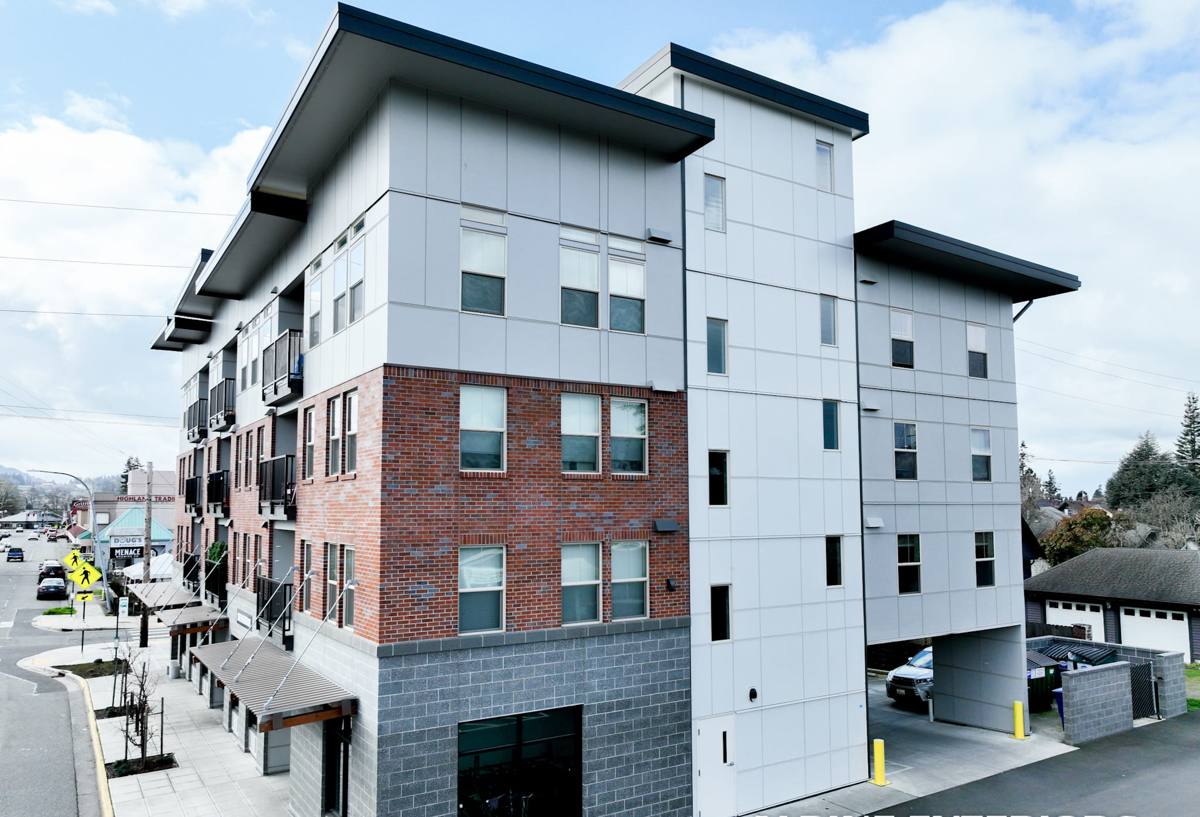
Why New-Construction Windows Are a Different Job Than Replacement
Nailing Fin vs. Block Frame
Replacement window work usually means fitting a new unit into an existing, already-flashed opening — often a "block frame" or insert window that goes in without disturbing siding. New construction is the opposite: the rough opening is bare framing, wrapped in a weather-resistive barrier (WRB), with no window flashing history to work around. Most new-construction windows use a nailing fin that gets integrated directly into the WRB in a specific shingle-lap sequence. Get that sequence wrong and there's no siding or trim to hide behind — water finds the mistake.
One Shot to Get the Flashing Right
Because everything is built in layers from the inside out — sheathing, WRB, flashing, window, more flashing, then siding — a new-construction install rewards patience and correct sequencing more than speed. We'd rather take an extra hour per window doing flashing tape and sill pans correctly than save that hour and have a callback in three winters.
What Sunnyland's Climate Asks of a New Window
Whatcom County's marine climate is generally mild, but it is also persistently wet, and Sunnyland's proximity to Bellingham Bay adds a salt-air component that inland Washington neighborhoods don't deal with. Three things shape how we spec and install windows here.
Salt Air and Corrosion
Airborne salt accelerates corrosion on unprotected metal — fasteners, hardware, and some flashing products. It's not dramatic, but it's cumulative. We favor corrosion-resistant fastener and flashing choices on projects close to the water, rather than whatever happens to be cheapest at the supply house.
Driving Rain and Wind-Driven Water
Storms off the Sound don't just fall straight down — wind pushes rain sideways and up under trim and sills. A window that would perform fine in a drier, calmer climate can leak here if the sill pan, head flashing, or end-dam details are skipped. This is the single biggest reason we don't cut corners on flashing sequencing, regardless of how straightforward a wall looks.
Moss, Algae, and Prolonged Dampness
Bellingham's long wet season keeps surfaces damp for extended stretches, which is exactly the environment moss and algae need. Sills, exterior trim, and low-slope surfaces near windows are where we see the most buildup over time. Drainage-friendly detailing — proper slope on sills, gaps that let water and moisture escape instead of pool — matters as much as the window unit itself.
Choosing the Right Frame Material for a New Build
There's no single "best" window material — it's a trade-off between upfront cost, maintenance, and how the frame handles years of damp, salt-tinged air. Here's how the common options stack up for a Sunnyland new-construction project:
| Frame Material | Moisture / Salt Air Behavior | Maintenance | Typical Relative Cost |
|---|---|---|---|
| Vinyl | Won't corrode or rot; performs well in damp, salty air | Low — occasional cleaning | Lower |
| Fiberglass | Very stable dimensionally; excellent moisture and corrosion resistance | Low | Mid to higher |
| Wood-clad / composite | Good if cladding and flashing are done right; wood core is the weak point if water reaches it | Moderate — watch joints and finish over time | Higher |
| Bare aluminum | Prone to corrosion in salt air unless properly coated; also a poor thermal performer | Higher | Varies |
For most Sunnyland new builds, we steer homeowners toward vinyl or fiberglass because they hold up with the least fuss in this climate. Wood-clad units can look great and perform well too, but they raise the stakes on flashing quality — the wood core has no tolerance for water intrusion, so we're honest with clients that it's a higher-maintenance choice, not a "better" one across the board.
Meeting Washington's Energy Code Without Overpaying
Washington's state energy code sets minimum performance requirements for new-construction glazing, and Whatcom County's climate zone means U-factor and solar heat gain targets are stricter than what you'd need in a warmer part of the state. In practice, that means the window's whole-unit U-factor (not just the glass) has to hit a code minimum, and your building department will check it during plan review and again at inspection.
Where we add value is helping you avoid over-buying. Triple-pane, high-solar-gain, and specialty coatings all cost more, but not every elevation of a house needs the same spec. A north-facing window and a west-facing window in the same house can reasonably use different glass packages. We look at orientation, room use, and your budget together rather than defaulting every opening to the most expensive glass on the price sheet.
What a Correct New-Construction Installation Actually Involves
This is the part that's invisible once the house is finished — and the part that determines whether you get a maintenance-free window or a slow leak. A correct install includes:
- A sloped sill pan flashing under every window, so any water that gets past the unit drains outward instead of pooling on the sheathing
- WRB integration in proper shingle-lap order — sill flashing first, then side flashing over the fin, then head flashing lapped over the top, always working top-over-bottom so water sheds outward
- A head flashing or drip cap detail that keeps water from tracking behind the window at the top, where gravity works against you
- Fasteners and hardware suited to a salt-air environment, not just whatever's fastest to install
- Correct fastening schedule per the window manufacturer's instructions — this affects both structural performance and warranty validity
- Sealants that are actually compatible with the WRB and flashing tape used — mixing incompatible products is a common, avoidable failure point
- Jamb insulation that fills the gap without over-compressing the frame, which can distort operation on operable units
- Interior air sealing at the rough opening, separate from the exterior weather barrier — these are two different jobs, not one
Common Mistakes We See From Crews New to This Area
The most common shortcut is treating caulk as a substitute for proper flashing sequencing — sealing gaps after the fact instead of shingle-lapping materials so water sheds outward on its own. Caulk fails eventually; correctly lapped flashing doesn't rely on an adhesive bond holding forever. In a climate with as much driving rain as Whatcom County gets, that difference shows up as a leak, not a hypothetical.
Our Process for New-Construction Projects in Sunnyland
We get involved as early as your framing schedule allows, which makes the whole project smoother:
- Plan and rough-opening review — we check window schedule, sizes, and egress requirements against your plans before anything is ordered, so there are no surprises at delivery.
- Product selection — we walk through material, glass package, and code compliance by elevation, matching spec to budget instead of upselling every opening.
- Install timed to framing stage — windows go in once the WRB is up and before siding closes the wall, so flashing integration happens in the right order, not retrofitted around finished exterior work.
- Inspection coordination — we schedule around your local building inspection checkpoints so flashing and rough-in are visible when they need to be.
- Final walkthrough — operation, hardware, and weatherstripping checked on every unit before we call it done.
Why a Crew That Already Works Sunnyland Matters
Bellingham neighborhoods aren't all identical in exposure — elevation, tree cover, and distance from the bay change how much wind-driven rain and salt air a given lot actually sees. A crew that's worked Sunnyland specifically has a feel for which lots need extra attention to flashing detail and which fastener and sealant choices hold up here over time, rather than applying a one-size-fits-all approach pulled from a drier climate. We're also familiar with the local building department's inspection expectations for new-construction window rough-in, which keeps your project moving instead of stalling on a callback.
Budgeting for a New-Construction Window Package
Costs on a new build vary a lot by window count, size, material, and glass package, so we won't quote a number here that wouldn't hold up house to house. What we can tell you is where the cost drivers actually are: frame material (vinyl is generally the most economical, fiberglass and wood-clad cost more), glass upgrades (triple-pane and specialty coatings add cost per unit), and unusual shapes or oversized openings, which cost more to engineer and flash correctly regardless of material. The most reliable way to control your budget is deciding early, with your contractor, which openings genuinely need the upgraded spec and which don't — not cutting corners on installation labor, since that's where problems actually originate.
If you're planning a new build or addition in Sunnyland and want windows specified and installed correctly the first time, we're happy to walk your plans with you. Use the form below to request a free, no-pressure estimate — there's no obligation, and it's the easiest way to get a straight answer on materials, timeline, and cost for your specific project.