 Bellingham Window
 Roofing in Ferndale Has Its Own Set of Problems
Ferndale sits close enough to the water and the marine air rolling in off Bellingham Bay and the Strait that roofs here age differently than roofs twenty miles inland. Salt-laden air accelerates corrosion on exposed metal fasteners and flashing. Long stretches of driving, wind-blown rain push moisture up under shingle tabs that would stay dry in a calmer climate. And Whatcom County's mild, wet winters give moss and moss-feeding organic debris months on end to get established on north-facing slopes and shaded roof planes near mature trees. None of this means asphalt shingle roofing is a poor choice for Ferndale — it remains one of the most practical, cost-effective roofing systems available — but it does mean the installation details matter more here than they would in a drier region.
A shingle roof that's installed the same way you'd install one in eastern Washington or the Southwest will underperform in Ferndale. The right approach accounts for wind-driven rain at the eaves and valleys, provides enough attic airflow to keep moisture from condensing under the deck, and uses materials and fastening methods that hold up to years of damp, salty air. That's the standard we build to on every Ferndale roof.
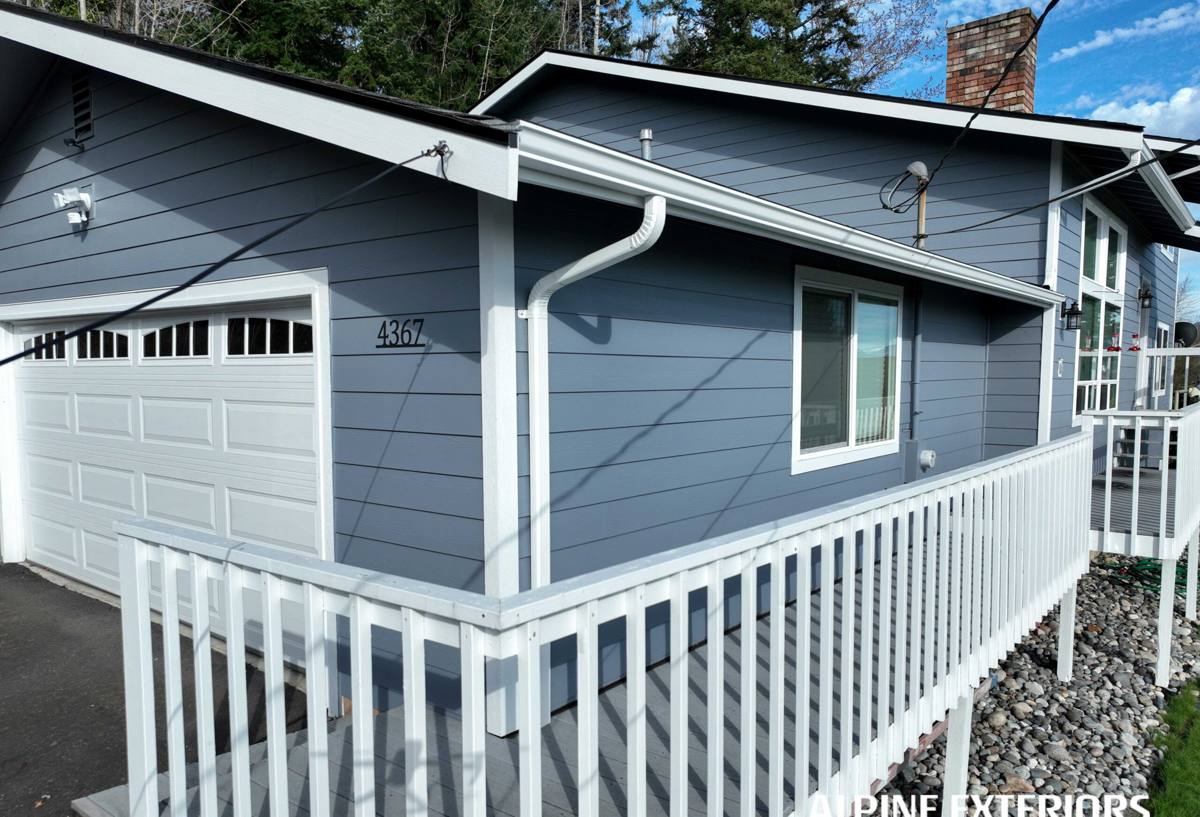
What Ferndale's Climate Actually Does to a Shingle Roof
Salt Air and Metal Fatigue
Roofing nails, drip edge, step flashing, and valley metal are all vulnerable to accelerated corrosion when they're exposed to salt-carrying coastal air over many years. Once flashing or fasteners start to rust and weaken, the roof's ability to shed water at its most vulnerable points — valleys, chimneys, vent penetrations — goes with it. Using corrosion-resistant fasteners and properly coated flashing isn't an upgrade in Ferndale; it's a baseline requirement.
Driving Rain and Wind
Storms coming off the water don't always fall straight down. Wind-driven rain can work its way sideways under shingle tabs, around poorly sealed vent boots, and into valleys that weren't given enough underlayment protection. A roof that only accounts for vertical rainfall will eventually leak in exactly these spots.
Moss and Prolonged Dampness
Whatcom County's wet season runs long, and shaded or north-facing roof sections can stay damp for days at a stretch. That's ideal growing conditions for moss, which holds moisture against the shingle surface, works its way under tabs as it grows, and can lift and loosen shingles over time if it isn't controlled. Roofs near tree cover are especially prone to this.
What a Correctly Installed Asphalt Shingle Roof Includes
A shingle roof is a system, not just a layer of shingles. Every component below plays a role in how well the roof holds up to Ferndale's specific conditions:
- Ice-and-water shield at eaves, valleys, and around penetrations — the self-adhering membrane that stops wind-driven rain and any ice-related backup from reaching the deck
- Synthetic underlayment across the full roof as a secondary water barrier beneath the shingles
- Corrosion-resistant flashing and fasteners rated for coastal exposure, not standard-grade hardware
- Balanced attic ventilation — intake at the soffits, exhaust at the ridge — so moist air escapes instead of condensing on the underside of the roof deck
- Proper starter strip and drip edge at all eaves and rakes to control the roof's first line of water shedding
- Correct nailing pattern per the manufacturer's specification, not a shortcut pattern that voids warranty coverage
Skipping any one of these doesn't necessarily cause an immediate problem — it causes a five-to-ten-year problem, which is often worse because it's harder to trace back to the install.
Repair, Or Full Replacement?
Not every roofing issue in Ferndale calls for a full tear-off. We look at the roof's age, the extent of the damage, and whether the underlying deck and underlayment are still sound before recommending anything.
| Situation | Usually Points To |
|---|---|
| A handful of cracked or missing shingles after a windstorm, roof otherwise under 12-15 years old | Targeted repair |
| Granule loss showing up in gutters, shingles curling or cupping across large areas | Roof is nearing end of life — replacement should be planned |
| Moss buildup with soft or spongy decking underneath once removed | Localized deck repair plus replacement of affected shingles |
| Active leaks around chimney, skylights, or valleys | Flashing repair or replacement, sometimes without a full re-roof |
| Roof original to a home built more than 20-25 years ago | Full replacement, even if it looks intact from the ground |
An honest inspection tells you which category you're in before any money changes hands. We'd rather repair a roof that has years left in it than sell a replacement it doesn't need — and we'll say so plainly if that's what we find.
Our Process for Ferndale Roofing Projects
1. On-Site Inspection
We walk the roof (or use a drone when pitch or access makes that safer) and check the attic from the inside for ventilation, moisture staining, and deck condition. This tells us what's actually happening, not just what's visible from the ground.
2. Written Estimate
You get a clear, itemized estimate covering materials, tear-off and disposal, flashing and ventilation work, and labor — no vague allowances that turn into surprise add-ons mid-project.
3. Tear-Off and Deck Inspection
Old roofing comes off down to the deck, which gets inspected for soft spots, rot, or delamination before anything new goes down. Any deck repair needed is flagged and priced before we proceed, not discovered as an unwelcome surprise afterward.
4. Installation
Underlayment, flashing, ventilation components, and shingles go in per manufacturer specification, with the coastal-grade details — corrosion-resistant fasteners, reinforced valley and eave protection — built in as standard, not upsold as an option.
5. Cleanup and Final Walkthrough
Job site is cleared of debris and swept for nails, and we walk the finished roof with you so you know exactly what was done.
Choosing a Shingle Product
Asphalt shingles come in a few grades, and the right one depends on your budget, roof pitch, and how long you want the roof to last before its next replacement.
| Shingle Type | Typical Lifespan | Best Fit |
|---|---|---|
| 3-tab (standard) | 15-20 years | Budget-conscious projects, simple roof lines |
| Architectural / dimensional | 25-30 years | Most Ferndale homes — better wind rating and appearance |
| Premium / designer architectural | 30+ years | Steeper, more visible roofs where appearance and longevity both matter |
For most Ferndale homes we recommend architectural shingles as the baseline. They carry a higher wind-resistance rating than 3-tab shingles, which matters given the exposure many properties in this area get, and their heavier profile handles moss and debris shedding a little better over time.
A Note on Wind and Warranty Ratings
Manufacturer wind ratings are tested under specific installation conditions — correct nailing pattern, correct fastener count, correct starter strip. If those aren't followed exactly, the rating (and the warranty behind it) doesn't apply even if the shingle itself is a good product. This is one of the most common ways homeowners lose warranty coverage without realizing it, and it's entirely a function of installation quality rather than the shingle brand.
Cost Factors to Expect
Every roof is different, but the line items that most often move the price on a Ferndale project are:
| Factor | Why It Matters |
|---|---|
| Roof size and number of planes | More square footage and more valleys/hips mean more material and labor |
| Pitch and access | Steep or hard-to-access roofs take longer and require more safety setup |
| Layers of existing roofing | Multiple layers require full tear-off, adding disposal and labor cost |
| Deck condition | Rotted or delaminated sheathing needs replacement before shingles go down |
| Shingle grade selected | Standard 3-tab vs. architectural vs. premium changes material cost per square |
| Ventilation upgrades needed | Adding ridge vents or additional soffit intake affects labor and materials |
We'd rather walk you through these factors on your specific roof than quote a number that doesn't hold up once we're actually up there.
Why a Crew That Already Works Ferndale Matters
Roofing crews who work across Whatcom County regularly see how coastal exposure, moss pressure, and Pacific Northwest storm patterns actually play out on real roofs over years, not just at install. That translates into practical decisions on your project — where to add extra underlayment protection even if it's not strictly required, which flashing details are worth the extra time, and where moss control or ventilation upgrades will pay off. It also means we're a known, local presence if you ever need a warranty question answered or a follow-up visit, rather than a name from an out-of-area company that's hard to reach once the invoice is paid.
Questions to Ask Before You Hire
- Are you licensed and insured to work in Washington State, and can you provide proof?
- Will you inspect the deck before installing new shingles, and how is deck repair priced if needed?
- What underlayment and ice-and-water shield products do you use at eaves and valleys?
- Will the ventilation be balanced (intake and exhaust) or just added without a plan?
- What manufacturer warranty applies, and does your installation meet its requirements?
- Is the estimate itemized, or is it a single lump-sum number with no breakdown?
A contractor who answers these clearly and without hesitation is generally one who does this work correctly and often.
If your Ferndale roof is showing granule loss, moss buildup, curling shingles, or you're just not sure how much life is left in it, we're happy to take a look. Request a free, no-pressure estimate using the form below, and we'll give you a straight read on what your roof actually needs.