 Bellingham Window
 Why Puget's Climate Is Hard on Vertical Siding
Puget sits close enough to Bellingham Bay and the Salish Sea that salt-laden air is a daily fact of life, not an occasional weather event. Add Whatcom County's long wet season — months of driving rain pushed sideways by wind off the water — and a shaded tree canopy that keeps north- and west-facing walls damp well into spring, and you get a set of conditions that punishes siding that isn't built or installed correctly. Board and batten is a beautiful look for homes in this area, but it's also a style with more seams, more fastener penetrations, and more vertical joints than lap siding. Every one of those details is a place water can get behind the cladding if the material or the installation cuts corners.
We install board and batten siding in Puget the way the climate demands: as a system, not just a set of boards nailed to the wall. That means the right substrate, the right gap behind the siding, and the right fastening pattern — details that matter more here than almost anywhere else in the county.
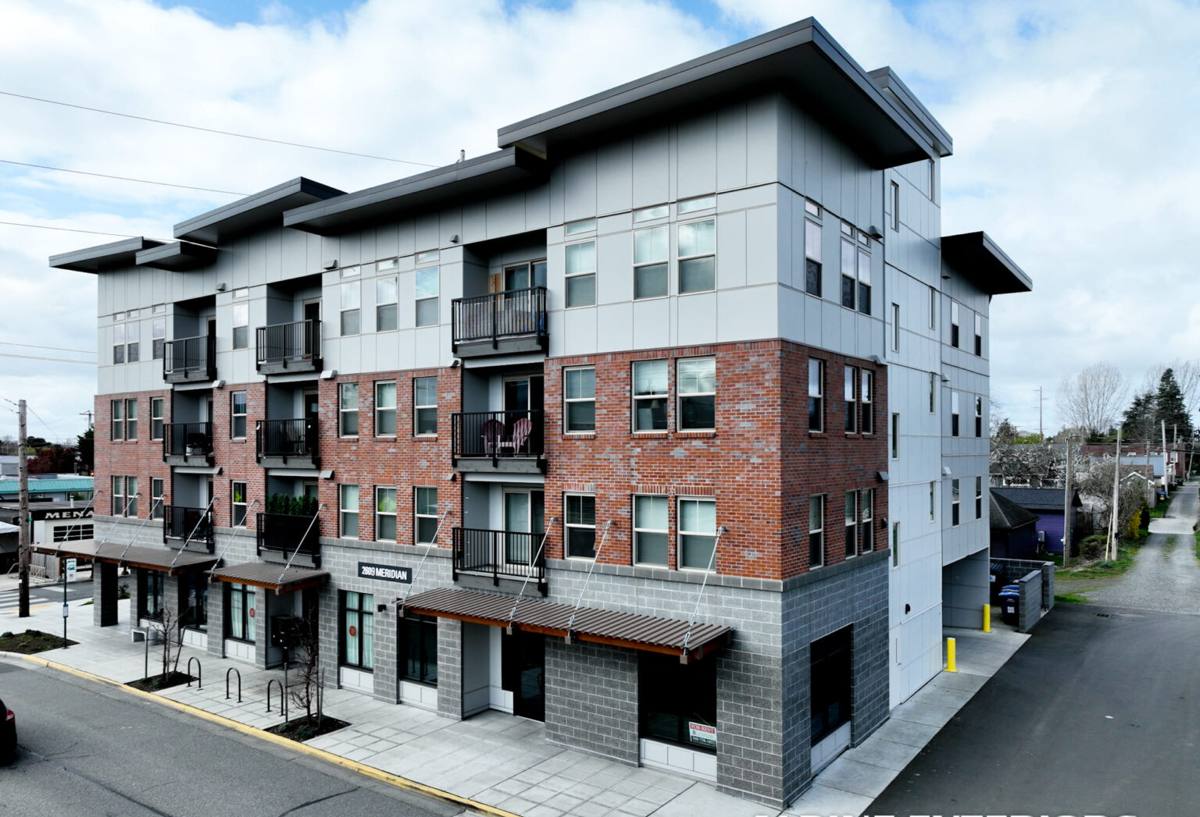
What Board & Batten Actually Is — and Why It Fits This Neighborhood
Board and batten is a vertical siding profile: wide flat panels or boards installed side by side, with narrower strips (battens) covering the seams between them. It reads as clean, linear, and a little more modern or farmhouse than traditional horizontal lap siding, which is part of why it shows up so often on newer builds and remodels around Puget and the surrounding Bellingham neighborhoods. It also pairs well with the mix of architectural styles common in this part of Whatcom County — craftsman-influenced homes, modern infill, and updated older houses that want a fresh, higher-end exterior without a full architectural overhaul.
The look is only half the story. Because the battens cover vertical seams, this profile lives or dies on how well those seams are sealed and how well water is managed behind the panel — which is exactly where climate-driven failures show up first in this region.
Why We Only Install This in James Hardie Fiber Cement
We don't offer board and batten in vinyl, LP SmartSide, primed spruce, or cedar. That's a deliberate standard, not a lack of options, and it matters more for this profile than for almost any other siding style we install.
- Vinyl board and batten relies on panel expansion and contraction to stay looking straight. In a climate with big seasonal moisture swings and constant wind off the water, vinyl vertical panels are more prone to visible waviness and to gapping at the battens over time.
- Wood — cedar or primed spruce — is a real, honest material and can look excellent as board and batten, but it needs consistent repainting, caulking, and moisture vigilance to hold up against Puget's rain and shaded, slow-drying wall sections. Skip a maintenance cycle here and rot risk climbs fast, especially at butt joints and battens.
- LP SmartSide is an engineered wood product with a factory treatment, and it holds up reasonably well when installed and maintained to spec — but it's still wood-based, meaning cut edges, fastener holes, and any coating breach are entry points for moisture in a climate that rarely lets a wall fully dry out.
James Hardie fiber cement doesn't swell, rot, or support insects, and it isn't fuel for fire the way wood-based sidings are. Its ColorPlus factory finish is baked on and warranted against peeling and cracking, so board and batten panels keep their color and their crisp seam lines without a repaint schedule. For a profile that depends on tight, well-sealed vertical joints in a wet, salty climate, that combination is worth the standard we hold to.
What a Correct Installation Involves
Board and batten failures we've seen replacing other contractors' work almost always trace back to the same handful of shortcuts. A correct job addresses each of them:
Drainage plane and rainscreen gap
Behind every panel there needs to be a code-compliant water-resistive barrier and, on the exposures that take the worst weather, a ventilated gap that lets any moisture that does get behind the siding drain and dry out instead of sitting against the sheathing.
Fastener pattern and blind-nailing
Panels and battens need to be fastened per the manufacturer's specification — correct nail size, spacing, and embedment — not just "close enough." Overdriven or underdriven fasteners are one of the most common causes of premature siding problems, and they're invisible until they've already let water in.
Batten seam sealing
Where battens cover the vertical seams between boards, the caulking and gapping at those joints has to account for material expansion without creating a channel for wind-driven rain to track in — a detail that matters more on a west- or south-facing Puget wall taking direct storm exposure than on a sheltered wall.
Flashing at penetrations and transitions
Every window, door, hose bib, and roofline transition needs flashing detailed correctly before the siding goes on. On a vertical profile, water running down a board has fewer places to shed sideways, so flashing errors show up as staining or rot sooner than they would on lap siding.
Comparing Siding Options for Board & Batten in This Climate
| Material | Moisture Behavior in Wet Climate | Maintenance Burden | Typical Lifespan Here |
|---|---|---|---|
| James Hardie fiber cement | Doesn't absorb/swell; engineered for wet regions (HZ product line) | Occasional wash; factory finish, no repainting on typical cycle | 30+ years with correct install |
| Cedar / primed spruce | Absorbs moisture; needs consistent drying and sealed cut edges | Repainting/staining every few years; regular caulk inspection | 15-25 years, heavily maintenance-dependent |
| LP SmartSide | Wood-based; factory-treated but vulnerable at breaches | Moderate; touch-up at cuts and fasteners | 20-30 years, install-sensitive |
| Vinyl | Doesn't rot but can warp/wave with wide temperature and wind exposure | Low, but panels can't be spot-repainted | 20-30 years, cosmetic degradation earlier |
Our Process for a Puget Board & Batten Job
We start with a walk of the home, paying particular attention to which exposures take the worst weather — usually the sides facing open water or prevailing storm wind — and to any shaded, slow-drying sections where the existing siding has told a story of moisture problems. From there:
- Assessment and moisture check. We look at the existing wall assembly, sheathing condition, and any signs of past water intrusion before quoting the job.
- Tear-off and sheathing repair. Old siding comes off, and any compromised sheathing gets replaced — not covered up.
- Water-resistive barrier and flashing. A correctly lapped barrier goes on first, with flashing detailed at every window, door, and penetration before a single board is hung.
- Rainscreen gap install. On exposures that need it, we install a drainage gap behind the Hardie panels so any incidental moisture has somewhere to go.
- Board and batten installation to spec. Panels and battens go up per James Hardie's fastening and clearance requirements, with attention to consistent batten spacing for a clean sightline.
- Final seal and walkthrough. We check caulking at seams and penetrations and walk the finished job with the homeowner.
Living With Board & Batten Siding in a Wet, Salty Climate
Correctly installed Hardie board and batten needs very little from a homeowner, but a little seasonal attention goes a long way in this climate:
- Rinse salt residue and grime off the siding once or twice a year, especially on walls facing open water.
- Keep gutters clear so runoff isn't sheeting down the face of the siding during heavy rain.
- Trim back vegetation and tree limbs that keep a wall section shaded and slow to dry — this is the single biggest driver of moss growth on siding in this area.
- Check caulking at trim and penetrations every couple of years and have any cracked sections resealed.
- Have any impact damage (ladders, equipment, storm debris) repaired promptly rather than left exposed.
Why a Crew That Already Works Puget Matters
A siding crew that has worked other homes in and around Puget already knows which exposures on a given street or block take the worst wind-driven rain, how quickly moss establishes on shaded walls in this specific pocket of Whatcom County, and where past installs — by us or by others — have run into trouble. That local knowledge shapes real decisions on your job: where to add a rainscreen gap even if it's not strictly required, which flashing details to double-check, and how to sequence the work around this area's weather windows. It's the difference between a crew that installs siding generically and one that installs it for this specific climate.
If you're considering board and batten siding for a home in Puget, we're happy to take a look and give you a straightforward, no-pressure estimate — including an honest read on what your walls need before any siding decision gets made.