 Bellingham Window
 Windows Built for Columbia's Weather, Not Just Its View
The Columbia neighborhood sits close enough to the water and open enough to Bellingham Bay that its homes take a different kind of beating than houses further inland in Whatcom County. Salt-laden air corrodes hardware faster, wind-driven rain finds its way into gaps that would stay dry elsewhere, and the shaded, damp stretches of the neighborhood grow moss on anything that holds moisture. Window installation here isn't just about picking a style and setting glass in a frame — it's about choosing materials and installation details that hold up to a specific coastal Pacific Northwest climate, year after year.
We install windows throughout Columbia regularly enough to know which failure points show up first on homes in this part of Bellingham: corroded weep systems, rotted sills under old wood-frame windows, and flashing that was never properly integrated with the siding. A correct installation addresses all three, not just the window itself.
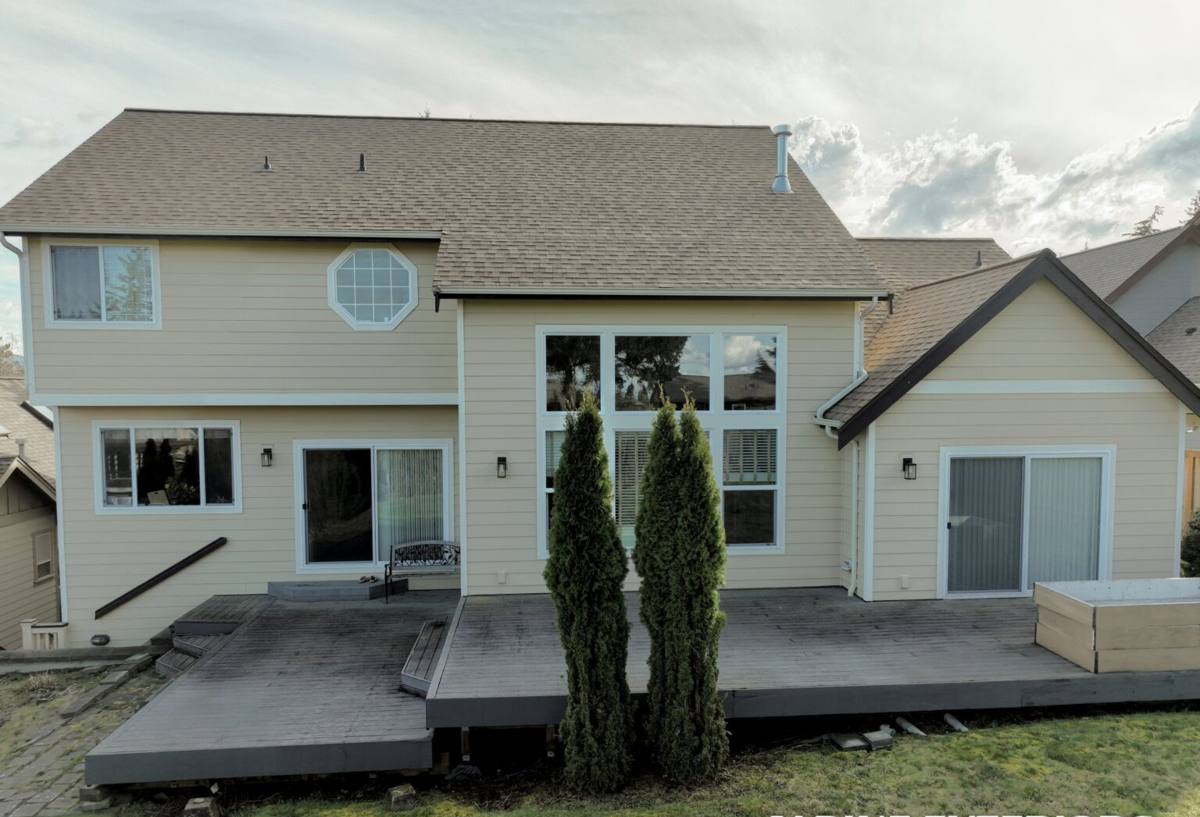
What Columbia's Microclimate Does to Windows Over Time
Salt Air and Metal Components
Proximity to the bay means airborne salt settles on exterior surfaces, including window hardware, screens, and metal flashing. Over years, this accelerates corrosion on lower-grade fasteners, hinges, and cranks. It's a slow process, but it's steady, and it's one reason we pay attention to hardware quality and metal type, not just the frame material, when we spec a window for a Columbia home.
Driving Rain and Wind Exposure
Storms coming off the water often arrive with sustained wind, which pushes rain sideways into wall assemblies rather than letting it run straight down. Windows that rely on gravity alone to shed water — rather than a properly lapped, sealed flashing system — are the ones that eventually leak. This matters more in Columbia than in more sheltered inland neighborhoods.
Moss, Shade, and Trapped Moisture
Mature trees and marine-layer humidity keep parts of Columbia shaded and damp for long stretches of the year. Moss and algae take hold on horizontal surfaces — sills, trim, and anywhere water sits instead of draining. Left unaddressed, that moisture retention breaks down wood trim and paint finishes faster than in drier parts of Whatcom County.
Signs a Columbia Home Needs New Windows
- Visible wood rot or soft spots at the sill or bottom corners of the frame
- Persistent fogging or condensation between panes on double-glazed units (a sign the seal has failed)
- Drafts you can feel near the frame edges even when the window is latched shut
- Paint that keeps peeling or bubbling on the same window no matter how often it's repainted
- Moss or dark staining building up on the sill or bottom trim year after year
- Windows that are difficult to open, close, or lock — often a sign the frame has shifted or swollen
- Noticeably higher heating bills compared to similar-sized homes nearby
What a Correct Installation Involves
Swapping a window is more than removing the old unit and setting a new one in the opening. In a climate like Bellingham's, the details around the window matter as much as the window itself.
Removing the Old Window Properly
We remove the existing window and inspect the rough opening before anything new goes in. This is where we find out whether there's hidden rot, past water intrusion, or framing damage that needs to be addressed first. Installing a new window over a compromised opening just hides the problem for a few more years.
Flashing and Weather Barrier Integration
The flashing has to be integrated with the home's weather-resistive barrier in the correct sequence — sill pan first, then side flashing, then head flashing lapped over the top — so water is directed out and away from the wall assembly, not trapped behind it. This sequencing is the single biggest factor in whether a window leaks five years down the road, and it's also the step that gets rushed or skipped on lower-quality installs.
Sealing and Insulating the Gap
The gap between the window frame and the rough opening needs to be insulated and air-sealed without over-packing it, which can bow the frame and affect operation. We use appropriate low-expansion foam or backer rod and sealant depending on the gap size, then finish with exterior caulking rated for coastal exposure.
Interior and Exterior Finish Work
Once the window is set, plumb, level, and secured, we finish the interior trim and exterior cladding tie-in so the whole assembly looks intentional and stays weathertight — no visible gaps, mismatched caulk lines, or exposed fasteners.
Choosing the Right Window for a Columbia Home
Frame material matters more here than in drier climates. We walk homeowners through the honest trade-offs rather than pushing one product line.
| Frame Material | How It Handles This Climate | Maintenance |
|---|---|---|
| Vinyl | Doesn't corrode or rot; performs well against salt air and moisture | Low — occasional cleaning |
| Fiberglass | Very stable in temperature swings and moisture; strong long-term option | Low |
| Wood (clad or unclad) | Classic look but needs a well-maintained exterior finish to resist rot in a wet climate | Higher — periodic painting/sealing |
| Aluminum | Strong but prone to condensation and corrosion near salt air unless thermally broken | Moderate |
We don't install every product on the market, and that's intentional. Some window lines make sense in drier, inland climates but are a poor fit for a coastal Whatcom County property — not because the manufacturer builds a bad product, but because certain finishes, hardware grades, or moisture-management designs aren't matched to what Columbia's weather actually does to a house over a decade or more. We'll tell you plainly when a product isn't the right call for your home rather than sell it anyway.
Our Process for Columbia Window Installation
- On-site assessment — we look at each window's condition, the surrounding trim and siding, and any signs of past water intrusion before quoting anything.
- Honest recommendation — full replacement, partial replacement, or in some cases repair, based on what the home actually needs.
- Clear written estimate — materials, scope, and timeline spelled out before work starts, no surprise add-ons mid-job.
- Careful removal and inspection — checking the rough opening for hidden damage once the old window is out.
- Proper flashing and installation — sequenced correctly for wind-driven rain, not just set-and-caulk.
- Finish work and walkthrough — interior and exterior trim completed, operation tested, and everything reviewed with the homeowner before we call it done.
Why Hire a Crew That Already Works This Neighborhood
Columbia isn't a large area, but its housing stock spans several eras, from older wood-frame homes to more recent builds, and each era brings different quirks — original single-pane wood sashes, aging aluminum units from a past remodel, or early-generation vinyl windows that are now failing at the seals. A crew that installs windows across Bellingham and Whatcom County regularly has already seen the common problems specific to this neighborhood's age of housing and exposure to the bay. That experience shows up in fewer surprises during removal, more accurate estimates upfront, and installations that account for wind and moisture patterns particular to this part of town rather than a generic approach.
Local knowledge also matters for permitting and code requirements. Whatcom County and City of Bellingham requirements around egress, energy code compliance, and in some cases historic or neighborhood-specific guidelines can affect what's allowed for a replacement window, especially on older homes. Working with a contractor familiar with local requirements avoids delays or rework later.
Maintaining New Windows in a Wet, Salty Climate
A well-installed window still benefits from basic upkeep in this environment. A short annual routine goes a long way toward protecting the investment.
- Rinse salt residue and grime off frames and glass a couple times a year, especially on sides facing the water
- Clear debris and moss buildup from sills and tracks before it retains moisture
- Check exterior caulk lines annually for cracking or gaps and touch up as needed
- Lubricate hardware (hinges, cranks, locks) periodically to prevent corrosion-related sticking
- Watch for condensation between panes, which signals a failed seal worth addressing early
What Affects the Cost of a Window Project in Columbia
Every home is different, but a few factors consistently drive cost up or down on projects in this neighborhood.
| Factor | Why It Matters |
|---|---|
| Frame material chosen | Vinyl and fiberglass typically cost less upfront than wood or high-end aluminum |
| Condition of the rough opening | Hidden rot or framing damage found during removal adds repair time and material |
| Number and size of windows | Larger openings and full-home replacements have different economies of scale than single-window swaps |
| Access and site conditions | Second-story windows, tight landscaping, or limited access can add labor time |
| Trim and siding tie-in work | Matching existing trim profiles or repairing surrounding siding adds finish work |
We give straightforward, itemized estimates so homeowners can see exactly what's driving the number, rather than a single lump figure that's hard to evaluate.
If you're weighing whether your Columbia home's windows need attention, we're glad to take a look and give you a straight answer — no pressure, no upsell. Use the form below to request a free estimate.