 Bellingham Window
 Building a Deck That Can Handle Fairhaven's Marine Climate
Fairhaven sits close enough to Bellingham Bay that homes there deal with a slightly different set of conditions than decks built further inland in Whatcom County. Salt-laden air moves off the water and settles on wood, metal, and fasteners year-round. Add in Bellingham's long stretch of driving rain and the moss season that follows it, and a deck in this neighborhood ages faster than the same structure would in a drier climate. None of that means you can't have a deck that lasts decades here — it means the material choices, framing details, and drainage planning have to account for what the neighborhood actually throws at a structure, rather than following a generic build sheet.
We've built and repaired decks throughout Fairhaven and the surrounding Bellingham area long enough to know which shortcuts show up as problems in year three, not year one. This page covers what a correctly built Fairhaven deck involves — materials, framing, drainage, and the process we follow — so you know what to expect and what to ask for.
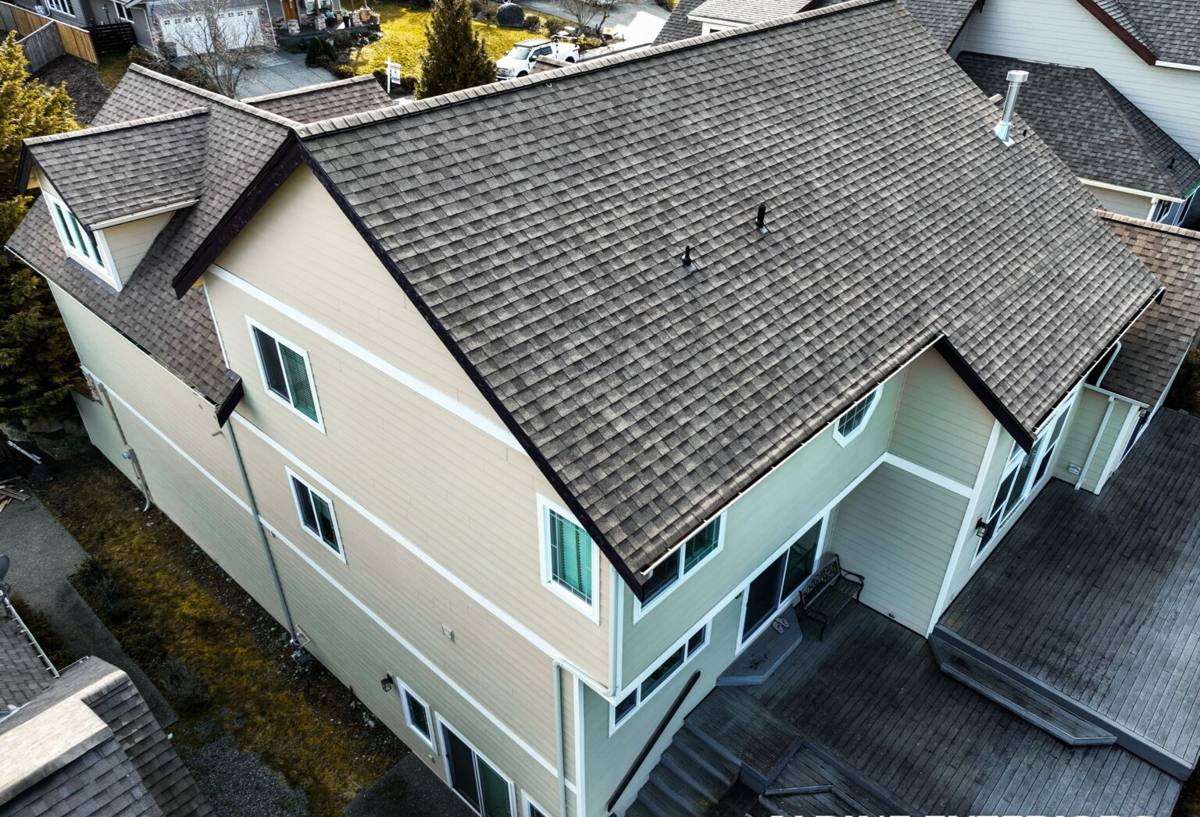
What Makes Fairhaven Different From Inland Bellingham
Proximity to the water changes three things that matter for deck longevity: humidity, salt exposure, and moss pressure.
- Salt air corrodes fasteners faster. Standard hot-dip galvanized screws and nails can start showing rust streaks within a couple of years near the bay, well before they'd fail inland.
- Persistent moisture feeds moss and algae. Shaded or north-facing decks under tree cover stay damp longer after Bellingham's fall and winter rains, giving moss a head start each season.
- Wind-driven rain gets under things. Rain here doesn't just fall straight down — it drives sideways off the water, which pushes moisture into ledger connections, stair stringers, and railing posts that a purely vertical rain pattern wouldn't reach.
Individually these are manageable. Together, on a deck built with generic hardware and no real drainage plan, they compound — and that's when you see soft boards, rusted-through brackets, or a slick, moss-covered surface within a handful of years.
Choosing the Right Decking Material for Salt Air and Moss
There's no single "best" decking material for every Fairhaven home — it depends on your budget, how much sun the deck gets, and how much upkeep you actually want to do. What matters is picking with eyes open, not defaulting to whatever's cheapest at the yard.
Composite and PVC Decking
Capped composite and PVC boards resist moisture absorption and won't feed moss the way bare wood fibers can, which makes them a strong fit for shaded, damp corners of a Fairhaven lot. The trade-off is upfront cost and the fact that composite still needs periodic cleaning — algae and moss can grow on the surface of any decking material if it stays wet and shaded long enough, composite included. It just won't rot from it the way wood can.
Pressure-Treated Wood
Pressure-treated fir or hem-fir is the budget option and performs fine when it's detailed correctly — proper flashing, ventilation underneath, and annual cleaning and resealing. Skip the maintenance and this is the material most likely to show soft spots or fastener staining within five to seven years in a marine-air environment.
Cedar
Western red cedar has natural rot resistance and looks right at home in the Pacific Northwest, but it's a softer wood that scratches and dents more easily, and it will gray and need refinishing if you want to keep the original color. It's a solid choice for owners who like the look and don't mind the maintenance rhythm.
| Material | Upfront Cost | Maintenance | Moss/Salt Resistance |
|---|---|---|---|
| Pressure-treated wood | Lowest | Annual cleaning + resealing | Moderate — needs upkeep to hold up |
| Cedar | Mid | Periodic cleaning + refinishing for color | Naturally rot-resistant, still needs care |
| Capped composite/PVC | Highest | Occasional wash-down | Best — won't rot, still needs cleaning off algae |
Framing and Substructure: Where Most Deck Failures Start
The decking surface is what you see, but the framing underneath is what actually determines whether a deck is safe and long-lived. This is also where corner-cutting is easiest to hide — and where salt air does the most damage.
Fasteners and Hardware
For a deck this close to the bay, we specify stainless steel or heavy-duty coated fasteners and structural connectors rated for exterior, corrosive-environment use — not the standard galvanized hardware that's fine further inland. It costs more per piece, but a deck's structural connections are the wrong place to save money, since replacing corroded hardware later means tearing into finished decking to get at it.
Ledger Attachment and Flashing
Where the deck attaches to the house is the single most common source of hidden rot on any deck in a wet climate. Correct flashing — installed so water sheds over it rather than behind it, with a gap or drainage plane between the ledger and the house — keeps driving rain from working its way into the rim joist and wall framing. This detail doesn't show once the deck is built, which is exactly why it's worth confirming before boards go down, not after.
Ventilation and Ground Clearance
Low decks with poor airflow underneath trap moisture against the framing and give moss and algae a shaded, damp surface to establish on. Adequate clearance and, where the design allows, some form of ventilation under low sections keeps the structure drying out between storms instead of staying wet all winter.
Design Considerations for Rain, Shade, and Moss
A few design decisions made at the planning stage do more for a deck's long-term appearance than any amount of cleaning after the fact.
- Board spacing and orientation — proper gapping lets water drain through instead of pooling, and running boards to shed toward a low edge or drain point reduces standing water.
- Surface texture — smooth-finish boards shed moss and algae more easily during cleaning than heavily grooved or wire-brushed textures, which trap grit and moisture.
- Sun exposure planning — if trees or the house shade part of the deck most of the day, that section will need more frequent cleaning regardless of material; it's worth knowing that going in rather than being surprised by it.
- Railing and post materials — powder-coated aluminum or vinyl railing systems shrug off salt air far better than untreated steel components.
Our Process for a Fairhaven Deck Build
The process itself isn't exotic — it's the attention to a few specific steps that makes the difference in this climate.
- On-site assessment. We look at sun exposure, drainage patterns, tree cover, and the existing structure (for replacements) before recommending materials.
- Material selection with honest trade-offs. We walk through cost, maintenance, and how each option performs specifically in a marine-air, shaded-lot environment — not a generic sales pitch.
- Permitting. We handle the permit application and inspection scheduling required for the build.
- Framing with corrosion-resistant hardware. Stainless or coated structural connectors, correctly flashed ledger attachment, and adequate ventilation underneath.
- Decking and railing installation to the manufacturer's spacing and fastening specs, which matters for both appearance and warranty coverage.
- Final walkthrough covering how to clean and maintain the specific material you chose, so moss and algae don't get a head start the first winter.
Permits and Working Within Whatcom County Requirements
Most new deck construction and significant deck replacements require a building permit, and requirements can depend on the deck's height, size, and attachment to the house. Rather than guessing at what applies to your specific property, we handle the permit process as part of the job — pulling the right permit, meeting inspection requirements, and building to the structural standards those inspections check for. This isn't paperwork for its own sake; correctly permitted work protects you if you ever sell the home or need to make an insurance claim.
Keeping a Fairhaven Deck in Good Shape Year-Round
Even a well-built deck needs some seasonal attention in this climate. A short, honest maintenance routine goes a long way:
- Sweep leaves and debris off the surface regularly in fall — trapped organic matter is what feeds moss growth.
- Wash the deck surface at least once or twice a year with a cleaner appropriate to your decking material (composite and wood require different products).
- Check fastener heads and railing connections annually for early rust or looseness, especially after the first couple of winters.
- Confirm gutters and downspouts near the deck are directing water away rather than onto the structure.
- Reseal wood decking on the schedule recommended for the specific product — skipping a cycle is when moisture starts winning.
- Trim back overhanging branches that keep sections of the deck shaded and damp longer than necessary.
Why Hire a Crew That Already Works Fairhaven
A deck built to a generic spec sheet can look identical to a properly detailed one on installation day — the difference shows up two or three winters later. Working regularly in Fairhaven and the rest of Bellingham means we're not guessing at what this climate does to a deck; we're specifying hardware, flashing details, and materials based on what actually holds up here versus what fails early. That local track record is worth asking about when you're comparing contractors, not just comparing quotes.
If you're planning a new deck or replacing one that's showing its age, we're glad to take a look and put together a straightforward estimate — no pressure, no upsell. Use the form below to get started.