 Bellingham Window
 Roofing in Silver Beach: A Different Kind of Wear
Silver Beach homes take on a specific combination of punishment that inland neighborhoods don't deal with in the same way. Moisture-laden air moving off the water, wind-driven rain that finds its way under poorly lapped materials, and a shaded, damp microclimate that keeps roofs wet longer than they'd like to be. None of that is dramatic on its own. It's the accumulation, year after year, that turns a roof that should last two decades into one that's failing at twelve or thirteen years.
A new roof installation here isn't just about swapping old shingles for new ones. It's about choosing materials and details that are actually suited to this specific stretch of Bellingham, Washington, and installing them the way the manufacturer's warranty assumes they'll be installed — which, frankly, isn't always how it gets done.
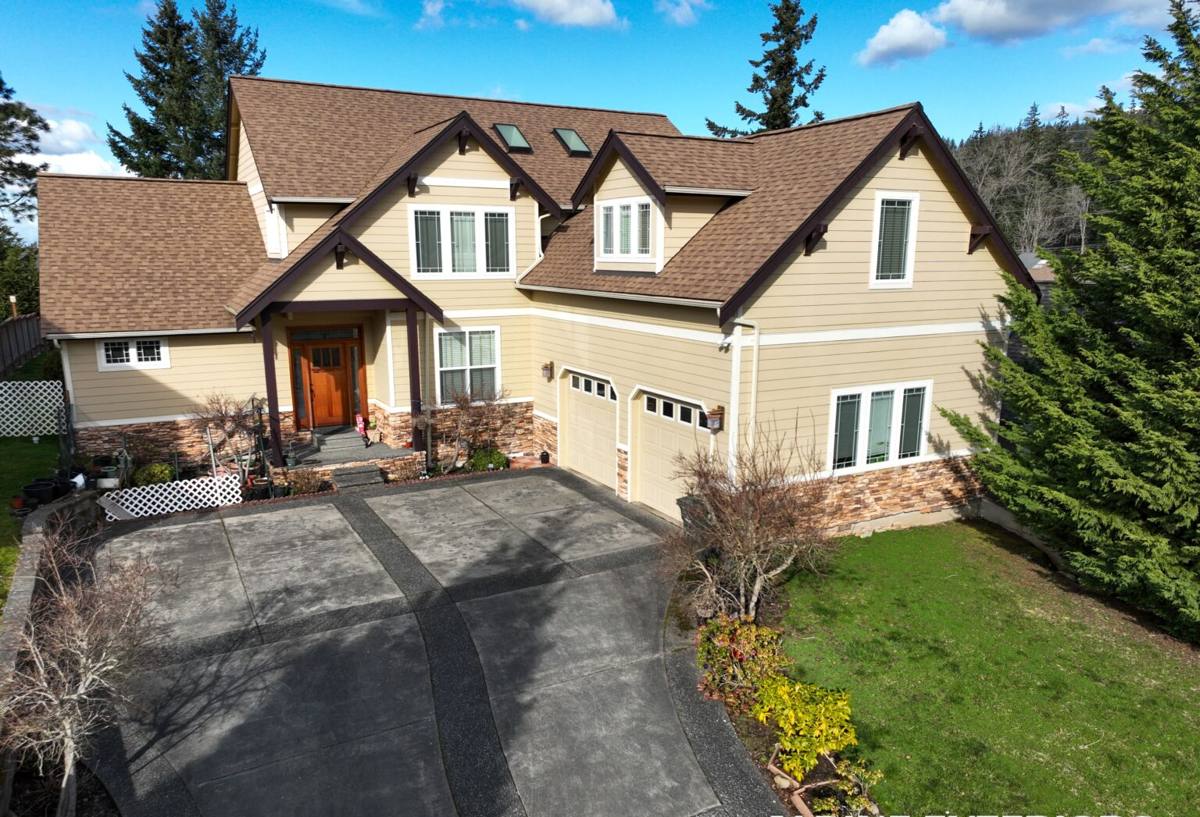
What Silver Beach's Climate Actually Does to a Roof
Salt Air and Metal Fatigue
Airborne salt doesn't just affect siding and outdoor fixtures — it accelerates corrosion on exposed fasteners, flashing, and any metal roofing components that aren't rated for coastal exposure. Standard electro-galvanized nails and cheap flashing stock corrode faster near the water, and once a fastener starts rusting, it loses holding power long before anyone notices a leak.
Driving Rain and Wind-Driven Water
Bellingham doesn't get the heaviest rainfall totals in the state, but it gets a lot of sideways rain — storms pushed in off the water with real wind behind them. That matters because wind-driven rain doesn't just fall on a roof, it gets pushed uphill under shingle tabs, around chimney flashing, and into any gap that a calmer climate could get away with ignoring.
Moss, Shade, and Extended Dampness
Whatcom County's tree cover and long wet season give moss everything it needs: shade, moisture, and time. Moss holds water against the roofing surface, works its way under shingle edges as it grows, and can lift tabs enough to let water in behind the field of the roof rather than off the front edge, where it belongs.
Signs a Silver Beach Roof Needs Replacing, Not Patching
Not every roofing issue means a full tear-off. But there's a point where patching stops being cost-effective and starts being a way of paying for the same repair twice. Some signals we look for:
- Granule loss heavy enough that you're finding shingle grit in gutters and downspouts every season
- Moss establishing on more than isolated patches, especially on north-facing slopes
- Curling, cupping, or cracked shingles across multiple areas rather than one localized spot
- Soft or spongy decking felt underfoot, or daylight visible through the attic roof deck
- Repeated flashing leaks around chimneys, skylights, or valleys despite prior repairs
- A roof at or past 18–20 years old with asphalt shingles, especially if the original installation used minimal underlayment
If you're seeing two or more of these, a replacement conversation is usually more honest than another round of patchwork.
What a Correct New Roof Installation Involves Here
Tear-Off and Deck Inspection
We remove the existing roofing down to the deck rather than layering over it. That's the only way to actually inspect the sheathing for rot, soft spots, or delamination — problems that are common on roofs that have been holding moisture under moss or failed flashing for years. Any damaged decking gets replaced before anything new goes down; installing new roofing over compromised sheathing just hides the problem and shortens the life of everything above it.
Ice-and-Water Shield in the Right Places
Given how much wind-driven rain this area sees, self-adhering waterproof underlayment belongs at eaves, valleys, and around every penetration — chimneys, vent pipes, skylights — not just where code requires it as a minimum. This is one of the details that separates a roof built for Whatcom County's weather from a roof built to the cheapest acceptable standard.
Full Synthetic Underlayment
Over the rest of the deck, synthetic underlayment gives a second line of defense if wind ever drives water past the primary roofing surface — which, in a driving-rain climate, it eventually will, even on a well-installed roof.
Corrosion-Resistant Fasteners and Flashing
Given the salt air exposure common closer to the water, we use fasteners and flashing rated for coastal conditions rather than the bare minimum the building code allows. It costs more up front and saves a callback five years down the road.
Ventilation That Actually Balances
Intake at the eaves, exhaust at the ridge, sized to move air through the attic space rather than just technically meeting a vent count. Poor ventilation traps moisture under the deck, which speeds up rot from the inside — the same problem the roofing above is trying to keep out, just approaching from the other direction.
Material Options for This Neighborhood
There's no single "right" roofing material for every home — it depends on the roof's slope, the home's style, the budget, and how much moss and moisture exposure the specific lot sees. Here's how the common options actually compare for a Silver Beach setting.
| Material | Moss Resistance | Typical Lifespan Here | Notes for This Climate |
|---|---|---|---|
| Standard 3-tab asphalt | Low | 15–20 years | Budget-friendly but shows moss and wear fastest in shaded, damp lots |
| Architectural (laminate) asphalt | Moderate | 25–30 years | Thicker profile sheds water better; good middle ground for most homes |
| Algae-resistant (AR) shingles | Higher | 25–30 years | Copper-infused granules slow moss and algae growth — worth it under tree cover |
| Standing seam metal | High | 40–50 years | Sheds moisture fast, minimal moss purchase; needs coastal-rated fasteners near the water |
| Cedar shake | Low without maintenance | 20–30 years | Traditional look but needs regular treatment in this moisture level; higher upkeep |
For most Silver Beach homes, we steer people toward algae-resistant architectural shingles or standing seam metal, depending on roof pitch and budget. Both hold up honestly against moss and driving rain without demanding a maintenance schedule most homeowners won't keep up with.
Our Process, Start to Finish
1. On-Site Assessment
We walk the roof, check the attic from inside when accessible, and look at the actual exposure your specific lot gets — tree cover, wind direction, proximity to water — before recommending a material or system.
2. Written Estimate
A clear scope: tear-off, decking allowance, underlayment system, material, flashing details, and ventilation plan, with pricing you can actually read and compare.
3. Scheduling Around Weather
We work around Whatcom County's rain patterns rather than against them, scheduling tear-off days when we can get a roof dried in and protected before the next system moves through.
4. Installation and Daily Cleanup
Tear-off, deck repair, underlayment, roofing, and flashing, with the site cleaned of debris and nails at the end of each work day — not just at the end of the job.
5. Final Walkthrough
We walk the finished roof and the details with you before calling the job done, so you know what was done and why.
What to Ask Before Hiring Anyone for This Job
A roof replacement is one of the largest single investments a homeowner makes in a house, and it's also one where poor work can hide for years before it shows up as a leak or rotted decking. A few questions worth asking any contractor bidding the job:
- Do you remove the old roofing down to the deck, or install over the existing layer?
- What underlayment system do you use, and where does ice-and-water shield go specifically?
- Are your fasteners and flashing rated for coastal/marine exposure?
- How do you handle ventilation — is it calculated for this specific attic, or a standard vent count?
- What's covered under workmanship warranty, separate from the manufacturer's material warranty?
- Can you provide proof of licensing and insurance before work starts?
A contractor who's worked Silver Beach and the surrounding Bellingham neighborhoods regularly should be able to answer all of these without hesitation, because they're solving for this exact climate on a regular basis, not guessing at it.
Why Local Experience Matters for This Job
A roofing crew that mostly works drier, inland climates will often under-spec underlayment, skip coastal-rated fasteners, and size ventilation to a generic standard rather than to what a shaded, damp Whatcom County lot actually needs. None of those shortcuts show up on inspection day. They show up in year six or seven, as moss regrowth, fastener rust, or a leak that traces back to a flashing detail that was fine for a drier region but wasn't enough here.
Working this area consistently means knowing which slopes hold moss longest, which details actually matter for driving rain off the water, and which materials are worth the extra cost versus which upgrades are more marketing than benefit. That's the difference between a roof that looks right on installation day and one that's still performing correctly a decade later.
Maintenance After Installation
Even a well-built roof benefits from basic upkeep in this climate. Keeping gutters clear so water isn't backing up under the edge, trimming back branches that overhang the roof to reduce shade and debris, and having moss addressed before it establishes rather than after are the three things that do the most to protect a new roof's lifespan here. None of it is complicated, but it's easy to let slide, and this climate doesn't forgive neglect the way a drier one might.
If your roof is showing wear, holding moss, or just old enough that you're wondering whether it's time, we're happy to take a look and give you a straight answer. Estimates are free, there's no pressure attached, and the form below is the easiest way to get one scheduled.