 Bellingham Window
 Storm Damage Roofing for the Silver Beach Neighborhood
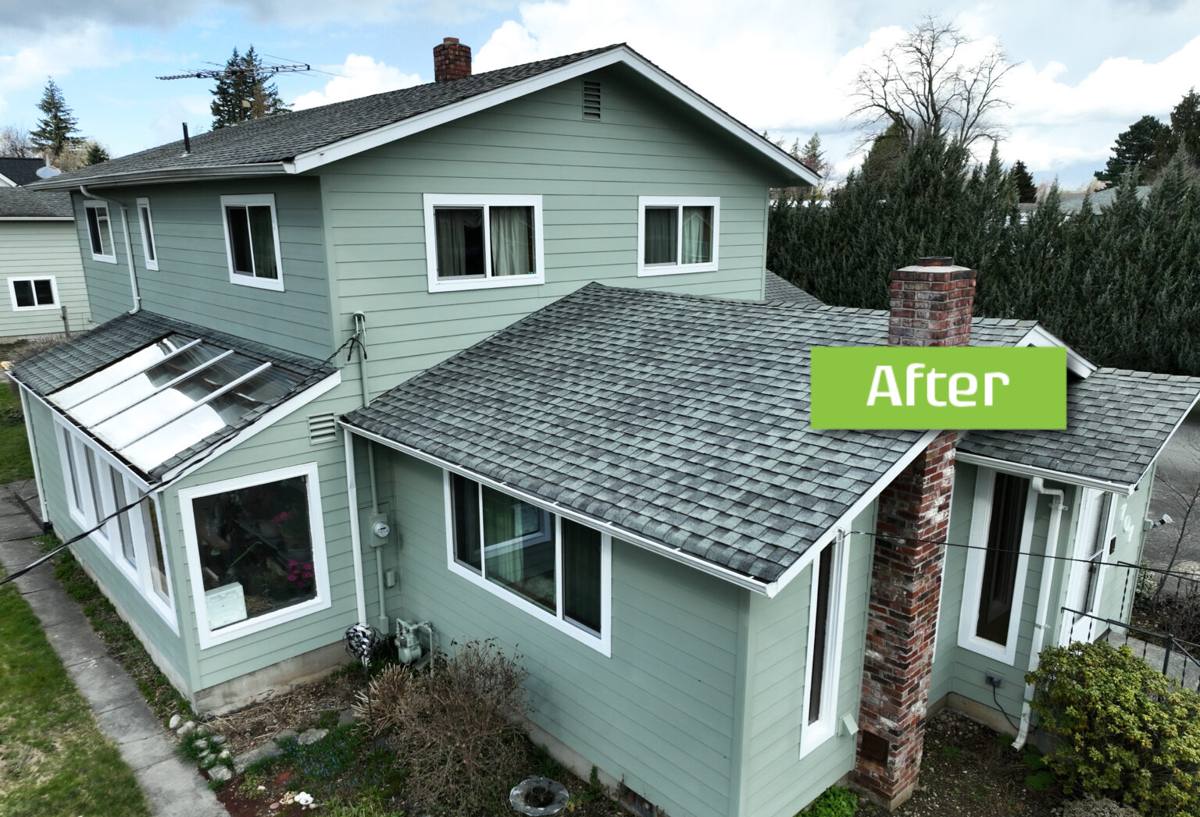
Silver Beach sits close to Lake Whatcom, tucked under mature fir and cedar canopy that gives the neighborhood its character — and gives roofs a harder time than most people realize. Between wind gusts funneling off the lake, heavy tree cover that holds moisture on the roof deck long after a storm passes, and Whatcom County's long, wet winter season, homes here take a specific kind of wear. We repair storm damage on Silver Beach roofs regularly, and the patterns we see are different from what we find on a wide-open lot across town.
This page covers what storm damage actually looks like on Silver Beach homes, what a correct repair involves, and how we handle the job from first look to final walkthrough.
Why Silver Beach Roofs Take a Different Kind of Beating
Three things stack up against roofs in this part of Bellingham:
- Tree cover and windfall. Mature trees near the lake mean falling limbs, needle and cone debris that clogs valleys and gutters, and shaded roof sections that never fully dry out between rain events.
- Wind off the water. Storms moving through the lake basin can produce localized gusts that lift shingle edges, especially on roofs where the original nailing pattern was already marginal.
- A long moss season. Shade plus moisture plus Whatcom County's mild, wet climate adds up to moss and lichen growth for much of the year, not just a rainy month or two. Left unmanaged, moss lifts shingle tabs and holds water against the roof deck, which is where slow, hidden damage starts.
None of that means Silver Beach roofs fail faster than others by default — it means the maintenance and repair priorities are different, and a repair that ignores moss, shade, and debris load usually doesn't hold.
What Storm Damage Actually Looks Like on These Roofs
Wind and Impact Damage
Lifted or torn shingles, exposed nail heads, and creased shingle tabs from wind flutter are the most common issues after a storm event. On older roofs, we also find shingles that were already brittle from age and UV exposure, which crack rather than flex when wind hits them.
Debris and Limb Damage
Falling branches don't always punch a visible hole. More often they crack a shingle, dent flashing, or knock granules loose in a way that's easy to miss from the ground but shows up as a leak weeks or months later.
Water Intrusion Around Penetrations
Chimney flashing, vent boots, and skylight curbs are the weak points we check first. Wind-driven rain finds gaps at these transitions long before it finds a way through the field of the roof itself.
Moss-Related Deterioration
This one is slower and easier to overlook. Moss mats hold water against the shingle surface, which accelerates granule loss and can work its way under tab edges over a season or two. A storm often just finishes off damage that moss started months earlier.
Our Storm Damage Repair Process
- Inspection. We walk the roof (not just look from the ground) and check attic sheathing from inside where accessible, since interior staining tells us more than surface damage alone.
- Documentation. Photos and a written scope of what's damaged, what's at risk, and what's still sound — useful for your own records and for insurance if you're filing a claim.
- Honest scope. We tell you plainly whether this is a spot repair, a section replacement, or something bigger. We don't pad the scope, and we don't downplay damage that will come back as a leak later.
- Repair. Matching materials where possible, correct flashing detail at every penetration we touch, and full attention to the roof deck underneath — a new shingle over a soft or wet deck is a repair that won't last.
- Cleanup and debris check. Given the tree cover in this neighborhood, we clear valleys and gutters near the repair area so water has somewhere to go once we're done.
Repair vs. Replace: How We Help You Decide
Not every storm-damaged roof needs full replacement, and not every repair is worth doing on a roof that's already near the end of its service life. Here's how we think through it:
| Factor | Leans Toward Repair | Leans Toward Replacement |
|---|---|---|
| Roof age | Under 12-15 years, otherwise sound | Approaching or past expected shingle life |
| Damage extent | Localized to one section or slope | Spread across multiple slopes |
| Deck condition | Dry, solid sheathing | Soft spots, rot, or staining in the attic |
| Moss history | Managed, minimal shingle lift | Long-term moss with granule loss under tabs |
| Shingle match | Product still available or close match | Discontinued or badly weathered/faded shingle |
We'll give you our honest read on where your roof falls, including cases where a repair is the right call now with replacement realistically a few years out — that's useful information even if it's not what generates the bigger job.
Materials and Installation Standards
For storm repairs, we match the existing shingle profile and weight as closely as the market allows, and we don't cut corners on the parts that actually stop leaks:
- Proper underlayment at any opened section, not just a patch over existing material
- New flashing at penetrations we disturb during the repair, not reused flashing that's already fatigued
- Correct nailing pattern and placement — a major source of wind-related failures we see on older roofs
- Ice-and-water shield or equivalent membrane at valleys and eaves where moisture sits longest
We're straightforward about product trade-offs too. Some lower-cost shingle lines shed granules faster under heavy shade and moss exposure, which shortens their effective life in a neighborhood like this one even if the manufacturer's rated lifespan looks fine on paper. We'll walk you through what we recommend and why, based on how the product actually performs under Silver Beach's tree cover and moisture load — not just what's cheapest to install.
Managing Moss and Tree Debris Long-Term
A repair fixes the storm damage. Ongoing moss and debris management is what keeps the next storm from causing the same problem again. We recommend:
- Clearing gutters and valleys at least twice a year given the tree density in this area
- Moss treatment before it establishes a thick mat, not after shingles are already lifting
- Trimming back limbs that overhang the roofline where it's practical to do so
- A periodic roof check after major wind events, even if nothing looks obviously wrong from the ground
Whatcom County's damp, mild climate means moss is a year-round consideration here, not a spring chore. Staying ahead of it is the single biggest thing a homeowner can do to extend the life of a roof in this neighborhood.
Insurance and Documentation Support
If your storm damage is significant enough to involve your homeowner's insurance, we provide the photo documentation and written scope your adjuster will want to see. We're not a public adjuster and won't promise a claim outcome, but a clear, honest assessment from a contractor who actually got on the roof carries weight in that process — and it protects you if damage turns out to be more extensive than what's visible from the ground.
Why Working With a Crew That Knows Silver Beach Matters
A roofer who mostly works open, sun-exposed lots elsewhere in Bellingham can still do competent work, but they may not immediately flag how much moss and shaded-slope moisture are contributing to what looks like simple storm damage. Crews who work this neighborhood regularly know to check for it every time, because ignoring it means a repair that looks fine for one season and fails the next. That local pattern recognition — not just general roofing skill — is what separates a repair that holds from one that doesn't.
After a Storm: Quick Checklist
- Check the attic for new staining, damp spots, or daylight through the roof deck
- Look for shingle granules collecting in gutters or downspouts after the storm
- Note any branches or debris that landed on the roof, even if they've since rolled off
- Photograph visible damage from the ground for your records before any cleanup
- Avoid walking the roof yourself, especially on wet or moss-covered surfaces
- Get a professional inspection before the next rain event if you suspect any damage
If a recent storm has left you wondering whether your Silver Beach roof needs attention, we're happy to take a look. We offer a free, no-pressure estimate — an honest assessment of what's damaged, what it'll take to fix it, and whether repair or replacement makes more sense for your roof. Use the form below to get started.