 Bellingham Window
 Deck Building Built for Sudden Valley's Conditions
Sudden Valley sits in the forested foothills along Lake Whatcom, a few miles outside downtown Bellingham, and it's a different building environment than the flatter, more open parts of Whatcom County. Mature tree canopy shades most lots for a good part of the day, the terrain slopes toward the lake, and humidity lingers longer here than it does closer to open water or town. That combination is hard on decks that weren't built with it in mind. A deck design that works fine on a sunny, open lot in another part of Bellingham can struggle in Sudden Valley if the framing, spacing, and material choices weren't adjusted for shade and moisture.
We've built and repaired decks throughout this neighborhood long enough to know which details matter here and which corners get cut on jobs that don't hold up. This page covers what a deck built for Sudden Valley actually needs, what our process looks like, and the tradeoffs between the material options homeowners in this area typically weigh.
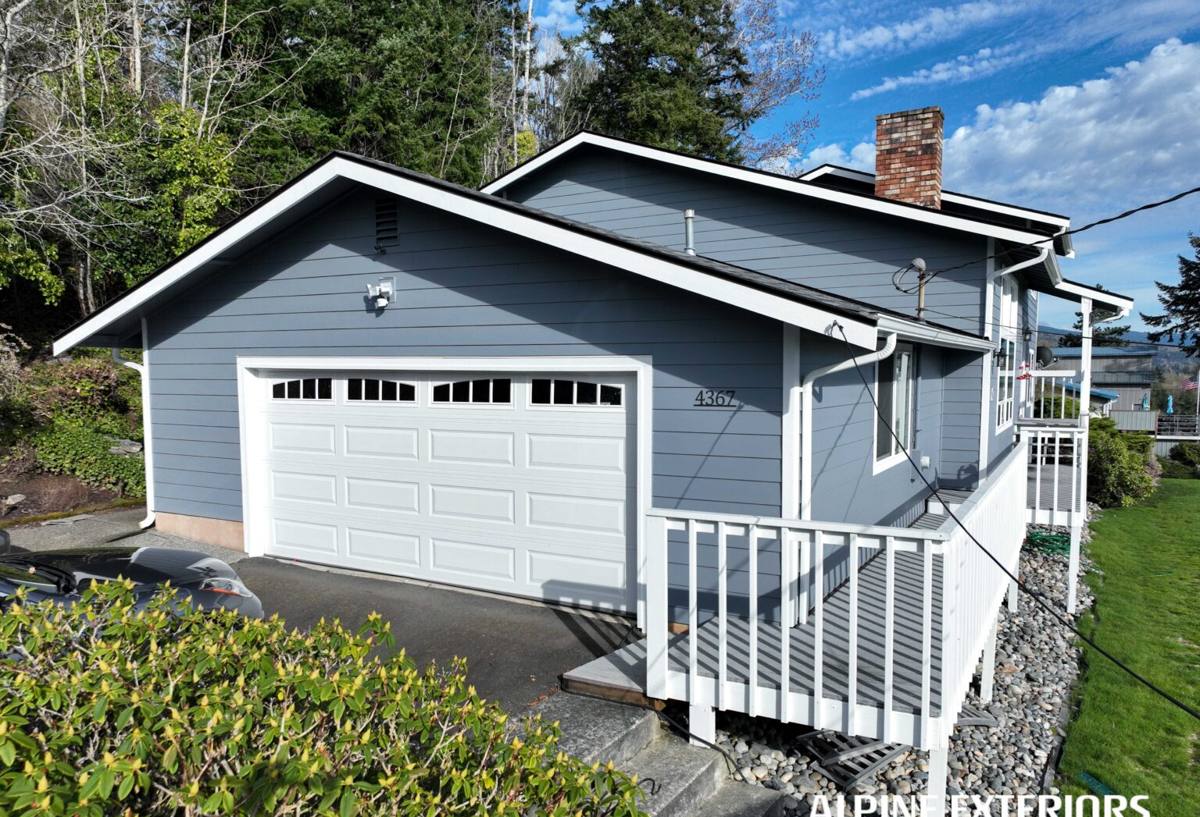
Why Sudden Valley Is a Different Build Than the Rest of Bellingham
Shade and Slow Drying
Heavy tree cover is one of the best things about living in Sudden Valley, and one of the toughest things for a wood or composite surface to deal with. Shaded decking dries out far slower after rain than a deck in full sun. Wet wood that sits wet for days at a time is exactly the environment mold, algae, and rot organisms need. On a shaded lot, drainage and airflow underneath the deck matter more than they would on an open, sun-exposed site — it's often the single biggest factor in how long a deck lasts here.
Driving Rain and a Long Wet Season
Whatcom County gets a long stretch of steady, driving rain from fall through spring, and Sudden Valley's elevation and tree cover mean that moisture sticks around on surfaces longer before it evaporates. Fasteners, flashing, and any wood-to-wood contact points are where that moisture finds its way in over the years if they weren't detailed correctly at the start.
Moss, Debris, and Organic Buildup
With that much tree cover comes leaf litter, needles, and pollen that collect in deck board gaps and against ledger boards and railing posts. Combined with shade and moisture, that organic debris is what starts moss and algae growth. A deck built with tight board spacing and no real drainage path underneath will show moss and green staining years before one built with airflow and gaps sized for this environment.
What a Correctly Built Deck Needs Here
- Footings sized and set for the actual soil and slope on the lot, not a generic spec
- Ledger board flashing that fully sheds water away from the house framing, not just a bead of caulk
- Joist spacing and hardware rated for the decking material actually being installed, not the cheapest connector available
- Deck board gapping sized to let water and debris pass through instead of trapping it
- Under-deck clearance and airflow, especially on shaded or partially buried sites
- Railing posts through-bolted, not just toe-screwed, for both code compliance and long-term stability
- Stair stringers and treads built to code for rise, run, and load — the most common inspection failure point on older decks
Material Options for a Shaded, Wet Lot
The right material depends on how much sun the deck gets, how it will be used, and what the homeowner wants to spend maintaining it. Here's how the common options actually compare for a lot like the ones in Sudden Valley.
| Material | How It Handles Shade & Moisture | Maintenance | Typical Lifespan |
|---|---|---|---|
| Pressure-treated lumber | Holds up well if properly ventilated underneath; can hold moisture in shaded, low-airflow spots | Needs sealing every 1-2 years, more often in shade | 15-25 years with upkeep |
| Cedar | Naturally rot- and insect-resistant, but still needs airflow in deep shade | Periodic sealing/staining to hold color and resist graying | 20-25 years with upkeep |
| Composite decking | Excellent moisture resistance; doesn't rot, but can still grow surface algae in constant shade if not cleaned | Occasional washing; no sealing or staining | 25-30+ years |
| PVC/cellular decking | Fully moisture-resistant, best choice for the shadiest, wettest spots on a lot | Lowest maintenance of the group | 30+ years |
We don't push one material on every job. A sun-exposed deck on a Sudden Valley lot with good clearing might do perfectly well in cedar or treated lumber if the homeowner is willing to keep up with sealing. A deck tucked under fir and cedar canopy with limited airflow is usually a better fit for composite or PVC, where moisture and shade have less to work with. We'll tell you honestly which one fits your specific lot rather than defaulting to whatever's easiest to install.
Framing and Substructure — Where Decks Actually Fail
Most deck failures we get called out for in this area aren't decking surface problems — they're substructure problems that took years to show up. Ledger board rot from bad flashing, undersized or corroded joist hangers, footings that were never properly set for the slope, and posts embedded directly in soil without protection are the recurring issues. On a shaded, slow-drying lot, these problems progress slower than they would in the open sun, but they progress further before they're visible, because the surface decking can look fine while the framing underneath is compromised.
That's why our process always starts with the substructure, not the decking material. A beautiful composite surface over undersized or poorly flashed framing is still a deck that will fail early — it just hides it longer.
Our Process for a Sudden Valley Deck
- Site walk and slope assessment. We look at drainage direction, tree cover, existing structure (for replacements), and how the deck will actually be used before we talk materials.
- Design and permitting. We size footings, joists, and railing to the actual load and span requirements for your project and pull the necessary Whatcom County or applicable permits.
- Framing built for airflow. Ledger flashing, joist hangers, and under-deck clearance are all detailed for a shaded, wet-season environment, not a generic spec sheet.
- Decking installation. Board gapping and fastening are set to account for expansion, drainage, and the material you've chosen.
- Railing, stairs, and finish work. Built to current code for rise, run, guard height, and baluster spacing.
- Walkthrough. We go over maintenance expectations specific to your deck's sun exposure before we consider the job done.
New Build vs. Deck Replacement vs. Repair
Not every deck problem in Sudden Valley needs a full rebuild. If the framing and footings are sound and the issue is surface-level — worn boards, loose railings, moss staining — a resurfacing or targeted repair can extend the deck's life for a fraction of the cost of a new build. But if the ledger board, joists, or footings show rot or movement, patching the surface just delays a bigger problem. Part of our first visit is an honest assessment of which category your deck actually falls into, because that's the decision that determines cost far more than which decking material you pick.
Signs It's Time for a Rebuild, Not a Repair
- Soft or spongy spots in the decking or framing when you walk it
- Visible rot or staining at the ledger board where the deck meets the house
- Railings that flex or wobble under normal use
- Footings that have shifted or heaved, especially on sloped lots
- Persistent moss or algae that returns within weeks of cleaning
Maintenance That Actually Matters in This Neighborhood
Whatever material you choose, a few habits make a real difference on a shaded Sudden Valley lot: clear leaf and needle debris out of board gaps before the wet season sets in, keep gutters and downspouts near the deck clear so runoff isn't dumping directly onto or under it, and do an annual check of railing bolts and stair connections. For wood decks, plan on resealing on a schedule that accounts for the extra shade — often shorter than the interval printed on the product label. None of this is complicated, but skipping it is how a well-built deck ages faster than it should.
Why Local Experience on This Specific Terrain Matters
Sloped, tree-covered lots around Lake Whatcom aren't the same building conditions as a flat, open lot elsewhere in Bellingham or Whatcom County. Footing placement, drainage planning, and material selection all change based on how much sun a given lot gets and how the grade moves water. A crew that hasn't worked this specific terrain before is guessing at those adjustments. We've built and repaired enough decks in this neighborhood to know where water collects, where moss takes hold first, and which details are worth the extra time to get right the first time.
If you're planning a new deck, a replacement, or want an honest read on whether your current deck needs repair or a rebuild, we're glad to come out and take a look. Fill out the form below for a free, no-pressure estimate.