 Bellingham Window
 Windows in Edgemoor Face a Different Set of Problems
Edgemoor sits close enough to the water that homes here take a steady diet of salt-laden air, wind-driven rain, and long stretches of damp, shaded moss season that most inland Bellingham neighborhoods don't deal with in the same combination. None of that is dramatic on its own. It's the accumulation that causes trouble: hardware that corrodes a few years early, sills that never fully dry out between storms, and finish surfaces that stay green and wet longer than they should. A window that's a perfectly good product in a dry climate can underperform here if it isn't installed with this environment in mind.
That's really what a "local" window install means in practical terms. It's not a marketing phrase — it's flashing details, sealant choices, and drainage planning that account for what Whatcom County weather actually does to a house over a decade or two, not just what a spec sheet promises on day one.
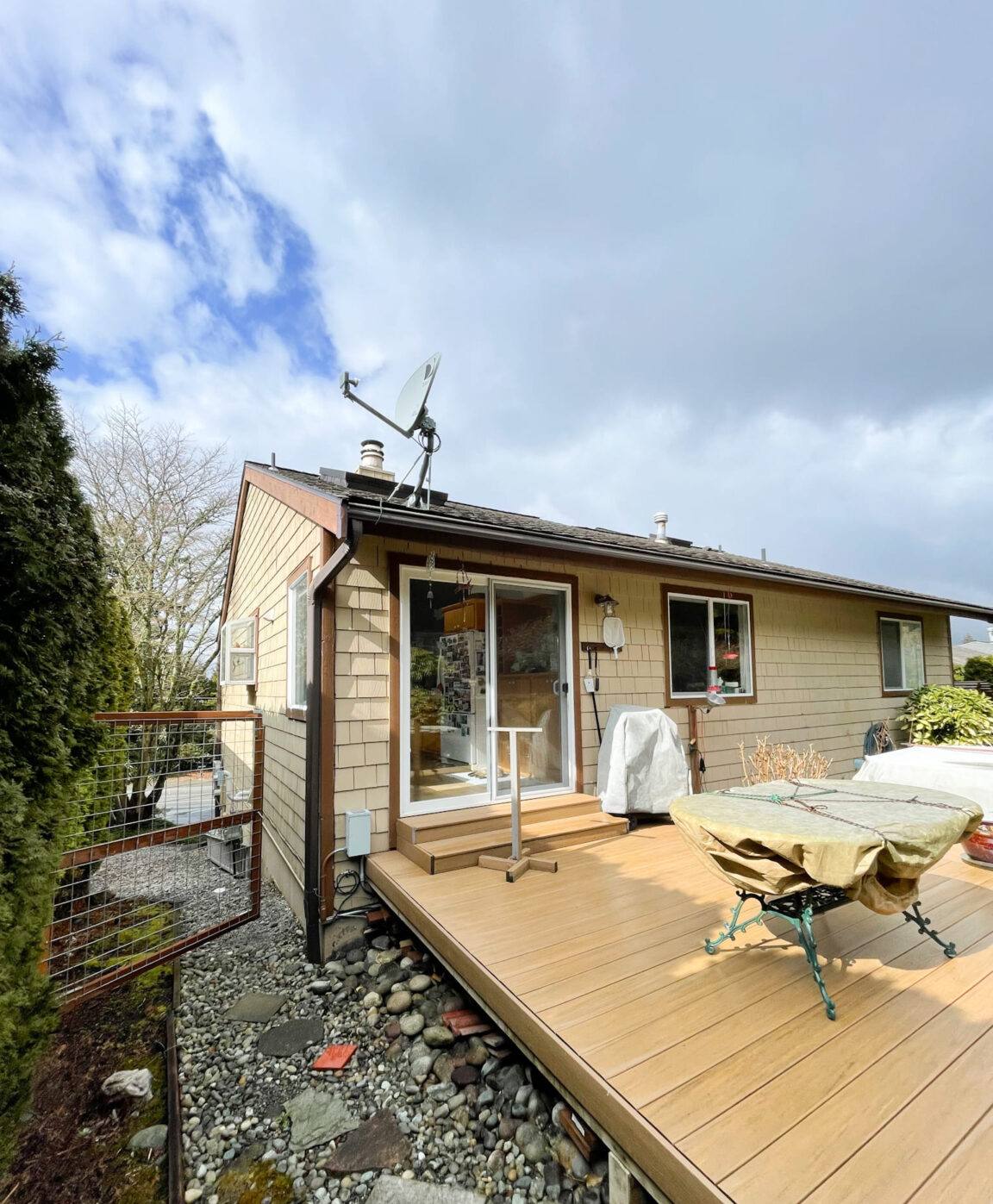
What Edgemoor Homes Actually Need From a Window Install
Salt Air and Hardware
Proximity to Bellingham Bay means airborne salt settles on and around window components — locks, hinges, cranks, and exposed fasteners — faster than it would a few miles inland. Over time, lower-grade hardware corrodes, gets stiff, or fails outright. We pay attention to hardware quality and, where it matters, to which metals are in contact with each other, since dissimilar metals can accelerate corrosion in a salt-air environment.
Driving Rain
Storms off the water don't just fall straight down — wind pushes rain sideways into wall assemblies, which puts real pressure on flashing and sealant details that a calm-weather install might get away with skipping. A window can look properly installed and still leak years later if the flashing wasn't lapped correctly or the sill pan wasn't built to shed water outward instead of trapping it.
Moss and Shade
Mature tree cover in and around Edgemoor keeps a lot of siding and trim shaded and damp for longer stretches than open lots get. That favors moss and mildew growth around window perimeters, which holds moisture against wood trim and finish longer than most manufacturers account for. Detailing that keeps water moving away from the frame — not just sealed against it — matters more here than in a sunnier, more open part of the county.
What a Correct Window Installation Actually Involves
A window installation is judged almost entirely on details most homeowners never see once trim goes back on. Here's what should happen on a proper job:
- Full removal of the old unit and inspection of the rough opening for rot, soft framing, or prior water damage before anything new goes in
- Correction of any framing or sheathing issues found — not covering them up and hoping the new window seals well enough to compensate
- A sill pan (or equivalent flashing detail) that directs any water that gets past the window back outside the wall, not down into the framing
- Weather-resistive barrier and flashing tape integrated in the correct shingle-lap order so water always moves downward and outward
- Proper shimming and squaring of the unit so it operates smoothly and the seal isn't stressed by an out-of-plumb frame
- Low-expansion foam and/or backer rod and sealant at the right points — not foam alone, and not caulk alone
- Interior and exterior trim reinstalled or replaced with attention to drainage, not just appearance
Skip any one of these and the window can still look fine — and still fail — within a few wet seasons. This is where most installation problems actually originate, not in the window unit itself.
Our Process for an Edgemoor Install
1. On-Site Assessment
We look at each opening individually — orientation to weather, condition of the existing framing and trim, signs of past moisture intrusion, and how exposed the wall is to wind-driven rain off the bay. Edgemoor's tree cover and lot layout vary block to block, so we don't assume one home's needs match its neighbor's.
2. Product Selection Based on Exposure
Not every opening needs the same spec. A window on a sheltered, shaded elevation has different demands than one facing open wind and rain. We talk through frame material, glazing, and hardware options against what that specific wall actually deals with, and we're upfront about trade-offs — including the maintenance a given material will require over time in this climate.
3. Removal and Opening Prep
We don't install new windows into openings with hidden problems. If we find soft framing, failed prior flashing, or rot, we address it before the new unit goes in. This is the step that's easiest to shortcut and most responsible for long-term failures when it is.
4. Flashing, Install, and Seal
This is where the driving-rain and moss-season detailing described above gets built in — sill pan, flashing lap order, shimming, sealant placement. It's methodical work, not fast work.
5. Trim, Cleanup, and Walkthrough
We finish trim with drainage in mind, not just a clean paint line, then walk the homeowner through operation and what to watch for seasonally.
Choosing Materials for a Coastal, Wooded Neighborhood
There's no single "best" window material — the right choice depends on exposure, maintenance appetite, and budget. Here's how the common options generally hold up under Edgemoor's mix of salt air, rain, and shade:
| Material | Salt Air / Coastal Exposure | Moisture & Moss-Prone Shade | Maintenance |
|---|---|---|---|
| Vinyl | Handles salt air well; won't corrode or rust | Doesn't rot; occasional cleaning to prevent moss/mildew buildup on frame | Low |
| Fiberglass | Very stable; minimal expansion/contraction, good in coastal wind | Doesn't rot; holds paint or finish well if that's desired | Low to moderate |
| Wood (clad or unclad) | Attractive but exposed wood needs protection from salt and moisture | Most vulnerable to rot and moss staining in shaded, damp spots | Highest — regular inspection and refinishing |
| Aluminum | Can corrode over time in salt air unless properly finished/anodized | Doesn't rot, but can show pitting or staining near shaded, damp trim | Moderate |
We're happy to walk through what we'd recommend for a specific elevation of a specific house — the table above is a starting point for the conversation, not a one-size answer.
Why Local Installation Experience Matters Here
A crew that's worked window installs across Bellingham and Whatcom County has already seen how this specific combination of salt exposure, storm direction, and shaded moisture plays out over years, not just at the moment of installation. That shows up in small decisions — how a sill pan is shaped, which fastener gets used where, how much drainage space is left behind trim — that a crew unfamiliar with the area's weather pattern might not think to prioritize.
It also means we're not guessing at product selection. We know which materials and details tend to hold up on wind-exposed, water-facing walls versus shaded, tree-covered ones, because we've followed up on installs in both conditions over time.
Signs an Existing Window Installation Is Already Failing
If you're considering replacement rather than a first-time install, these are the signs worth taking seriously before they turn into framing damage:
- Soft or spongy trim or sill material around the window
- Persistent moss or dark staining concentrated at the frame perimeter, not just the siding generally
- Fogging or moisture between glass panes (a sign the seal on the unit itself has failed)
- Hardware that's stiff, corroded, or won't latch cleanly
- Drafts or a noticeable temperature difference near the frame
- Visible daylight or gaps between the frame and the surrounding trim
Any one of these can usually be traced back to a flashing or sealant detail that didn't account for this area's weather — not necessarily a bad window, just an install that wasn't built for what Bellingham throws at it.
What to Ask Before Hiring Anyone for a Window Install
Whether you call us or someone else, these are reasonable questions for any Edgemoor homeowner to ask before signing a contract:
- How do you handle sill pan flashing, and can you describe the drainage path if water gets past the window?
- What happens if you find rot or damaged framing once the old window is out?
- What's your experience with coastal or salt-air exposure specifically?
- What warranty covers the installation labor, separate from the manufacturer's product warranty?
- Can I see the flashing and sealant details before trim goes back on, or get photos of that stage?
A contractor who answers these clearly and specifically, without hedging, is a good sign. Vague answers about "sealing it up good" are a reason to keep asking around.
Let's Take a Look at Your Windows
If you're weighing a window replacement in Edgemoor — or just want an honest read on whether your current windows are holding up the way they should against Bellingham's weather — we're glad to come take a look. There's a free, no-pressure estimate form below; use it to tell us a bit about your home and we'll go from there.